Introduction
Recombinant proteins have become an integral part of modern scientific research, with their wide range of applications in various fields such as biotechnology, medicine, and basic research. One such protein is the Recombinant Mouse TGFBI Protein, which has gained significant attention due to its unique structure and diverse functions. In this article, we will delve into the structure, activity, and applications of this recombinant protein.
Structure of Recombinant Mouse TGFBI Protein
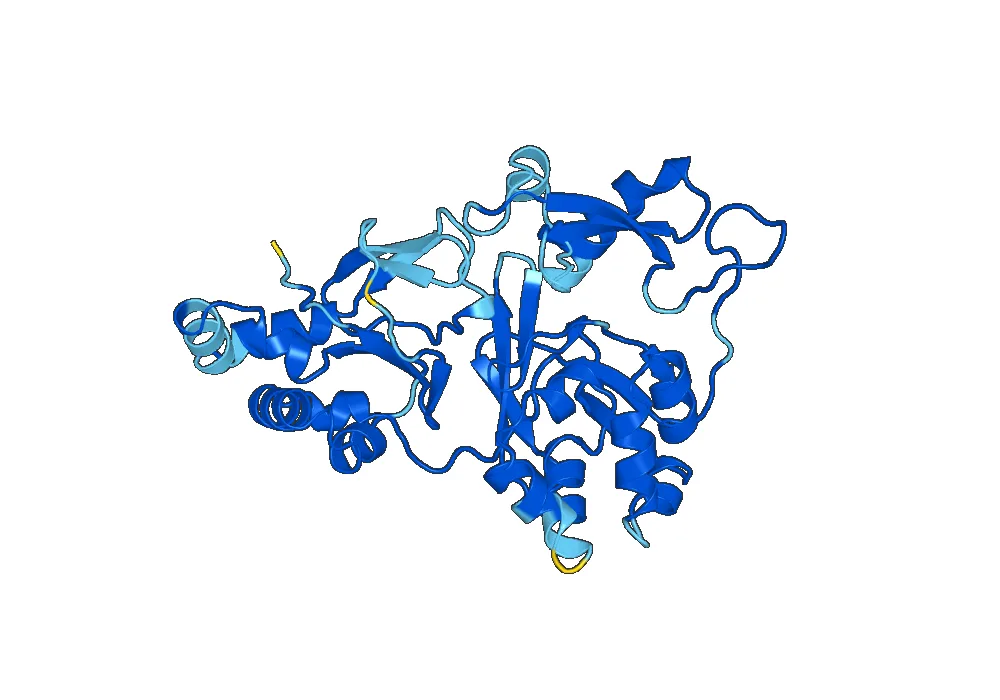
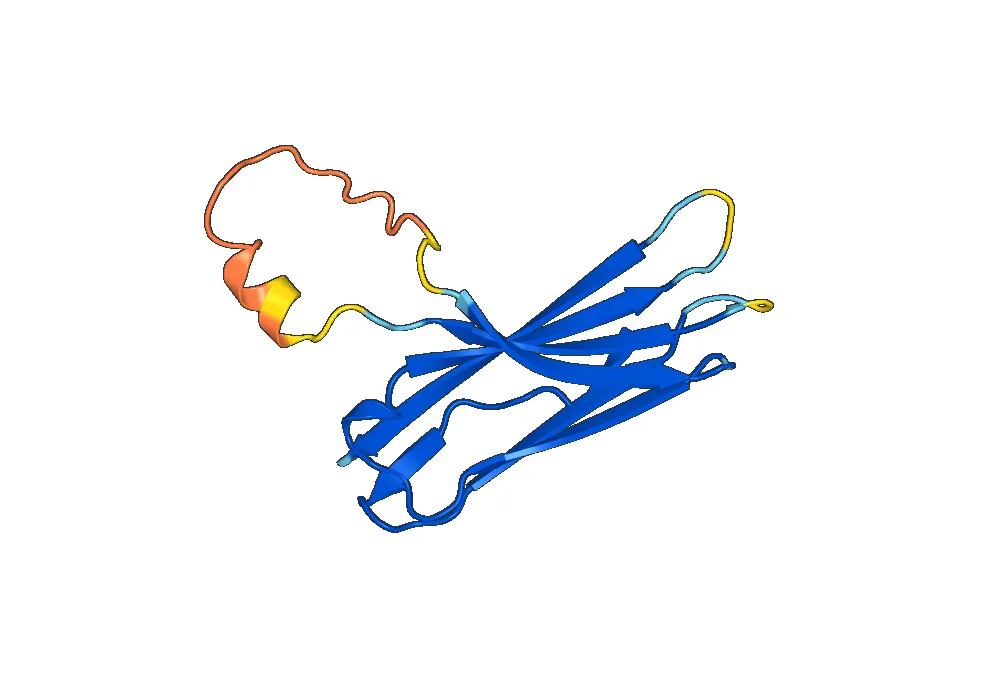
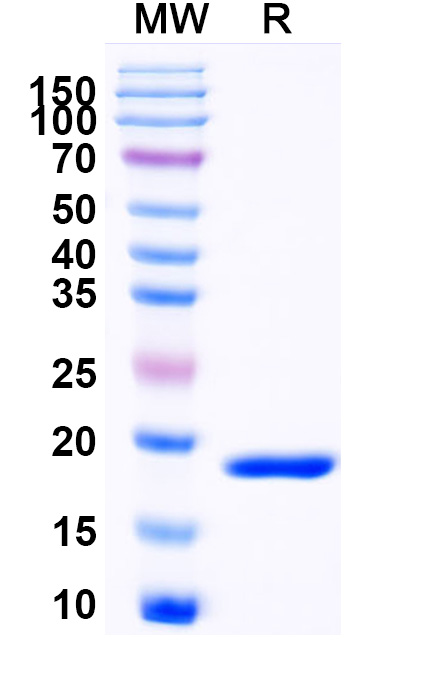
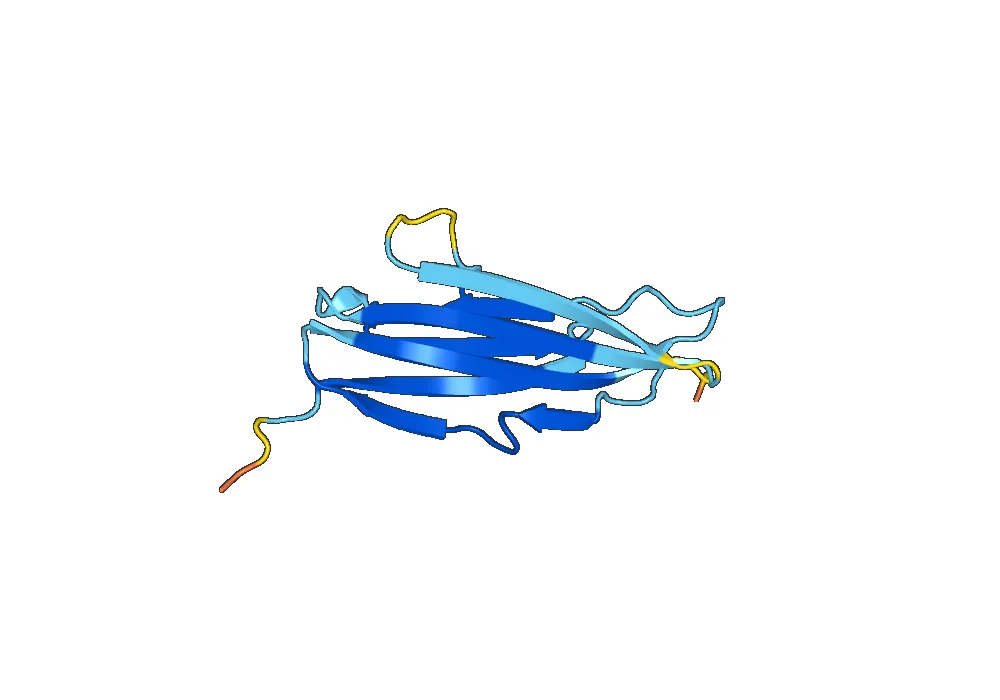
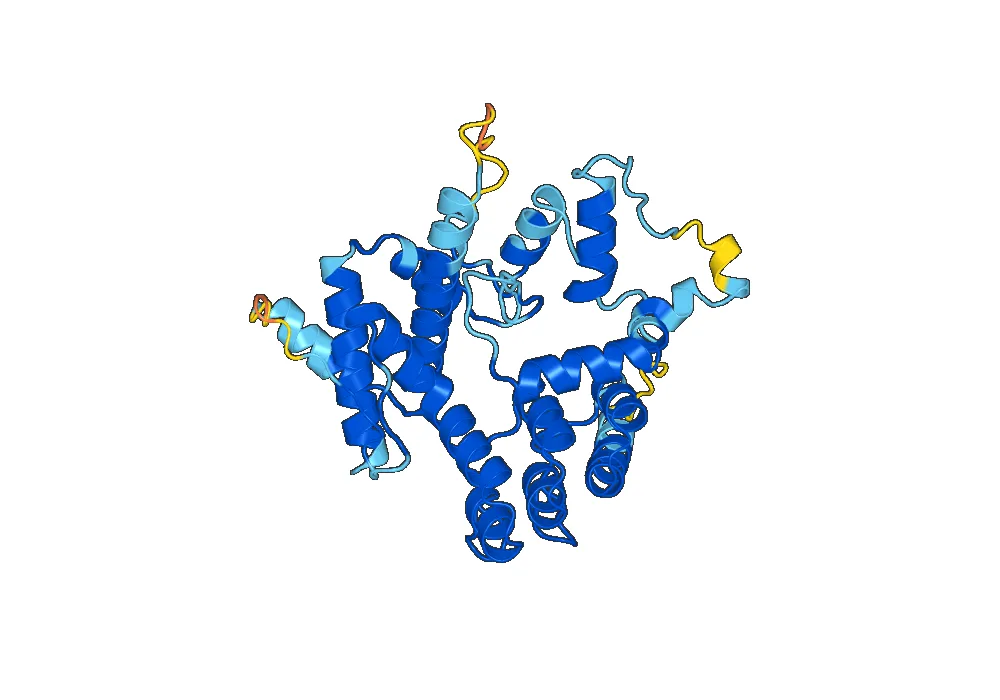
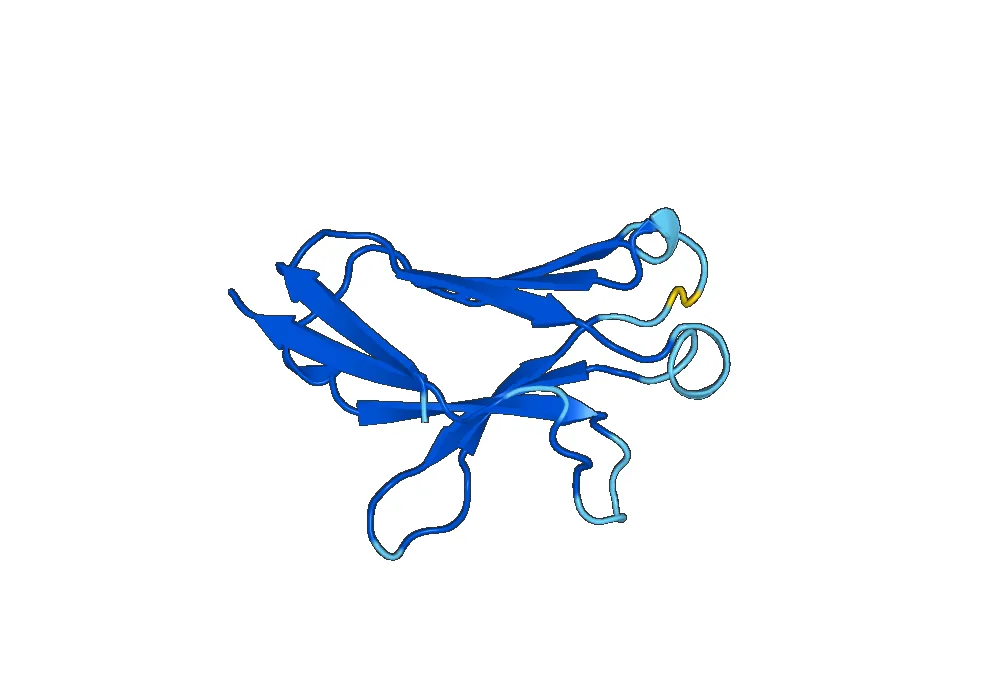
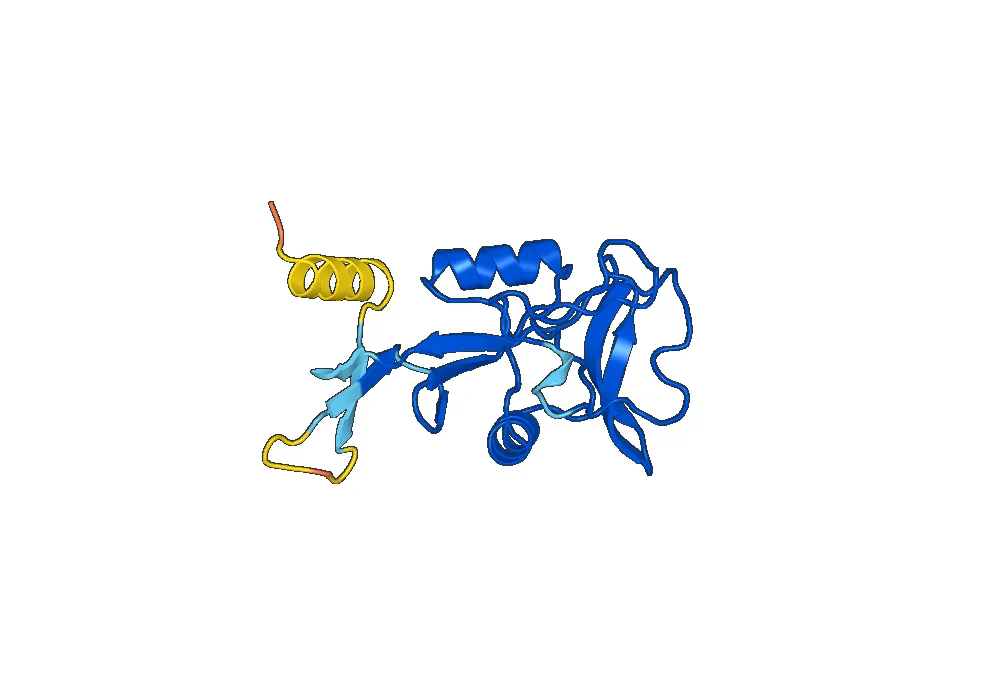
The Recombinant Mouse TGFBI Protein is a 683 amino acid long protein with a molecular weight of approximately 68 kDa. It belongs to the transforming growth factor beta-induced (TGFBI) family of proteins and is highly conserved among mammals. The protein is composed of four distinct domains: the N-terminal domain, the FAS1 domain, the FAS1-4 domain, and the C-terminal domain. The N-terminal domain is responsible for the protein’s secretion, while the FAS1 domain is involved in protein-protein interactions. The FAS1-4 domain is the largest domain and is responsible for the protein’s adhesive properties, while the C-terminal domain is involved in the formation of protein aggregates.
Activity of Recombinant Mouse TGFBI Protein
The Recombinant Mouse TGFBI Protein is a multifunctional protein that plays a crucial role in various cellular processes. It is primarily known for its role in cell adhesion, where it interacts with other proteins in the extracellular matrix to maintain tissue integrity. The protein also has a role in cell migration, proliferation, and differentiation, making it essential for tissue development and repair.
Moreover, the Recombinant Mouse TGFBI Protein has been shown to have anti-angiogenic properties, inhibiting the formation of new blood vessels. This activity is of particular interest in cancer research, as tumors require a steady blood supply for growth and metastasis. By inhibiting angiogenesis, the protein can potentially be used as a therapeutic agent for cancer treatment.
Applications of Recombinant Mouse TGFBI Protein
The unique structure and diverse functions of Recombinant Mouse TGFBI Protein make it a valuable tool in various scientific applications. One of its primary uses is in cell culture studies, where it can be used to study cell adhesion, migration, and proliferation. The protein’s adhesive properties also make it useful in tissue engineering, where it can be used to promote cell attachment and growth on artificial scaffolds.
Furthermore, the anti-angiogenic activity of Recombinant Mouse TGFBI Protein has potential applications in cancer research and therapy. Studies have shown that the protein can inhibit the growth of various types of tumors, making it a promising candidate for anti-cancer treatments.
Another application of Recombinant Mouse TGFBI Protein is in the development of diagnostic tools. The protein has been identified as a potential biomarker for various diseases, including cancer and corneal dystrophies. Its detection in bodily fluids can aid in the early diagnosis and monitoring of these diseases.
Conclusion
In conclusion, Recombinant Mouse TGFBI Protein is a unique and versatile protein with a wide range of applications in scientific research. Its structure, activity, and diverse functions make it a valuable tool in various fields, including cell biology, tissue engineering, cancer research, and diagnostics. Further studies on this protein are essential to uncover its full potential and pave the way for its use in future therapeutic and diagnostic approaches.


There are no reviews yet.