Introduction to Recombinant Mouse KIRREL1 Protein
Recombinant Mouse KIRREL1 Protein, also known as Kin of IRRE-like protein 1, is a recombinant protein that has been extensively studied for its role in cell adhesion and signaling. This protein is a member of the immunoglobulin superfamily and is highly conserved among vertebrates. It is encoded by the KIRREL1 gene and is predominantly expressed in the brain, kidney, and lung tissues.
Structure of Recombinant Mouse KIRREL1 Protein
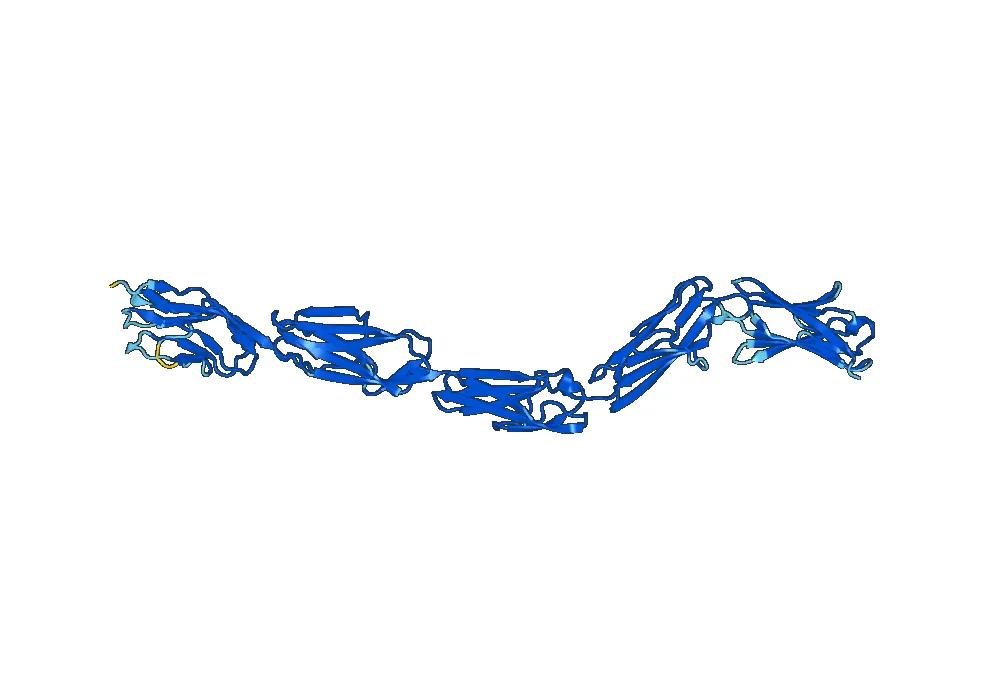
The recombinant form of KIRREL1 protein is a 45 kDa protein with a length of 383 amino acids. It contains two immunoglobulin-like domains, an N-terminal immunoglobulin (Ig)-like domain and a C-terminal fibronectin type III (FNIII)-like domain. These domains are connected by a short linker region and are responsible for the protein’s adhesive and signaling functions.
The N-terminal Ig-like domain of KIRREL1 protein contains a conserved cysteine residue that forms a disulfide bond with a cysteine residue in the FNIII-like domain. This interaction is essential for the proper folding and stability of the protein. The FNIII-like domain also contains a conserved arginine residue that is crucial for the protein’s adhesive properties.
Activity of Recombinant Mouse KIRREL1 Protein
Recombinant Mouse KIRREL1 Protein is known to play a critical role in cell adhesion and signaling. It functions as a homophilic adhesion molecule, meaning it can bind to other KIRREL1 proteins on the surface of neighboring cells. This interaction is mediated by the N-terminal Ig-like domain of the protein.
The adhesive properties of KIRREL1 protein are essential for the formation and maintenance of various cell-cell contacts, including synapses between neurons and the glomerular filtration barrier in the kidney. It is also involved in the development and maintenance of the blood-brain barrier, which is crucial for protecting the brain from harmful substances.
In addition to its role in cell adhesion, Recombinant Mouse KIRREL1 Protein also plays a role in cell signaling. It has been shown to interact with other proteins, such as the protein tyrosine phosphatase PTPδ, and activate intracellular signaling pathways. These pathways are involved in regulating cell growth, differentiation, and survival.
Applications of Recombinant Mouse KIRREL1 Protein
The unique structure and activity of Recombinant Mouse KIRREL1 Protein make it a valuable tool for various research applications. One of its primary uses is in studying the mechanisms of cell adhesion and signaling. Researchers can use this protein to investigate the role of KIRREL1 in different cellular processes and its interactions with other proteins.
Recombinant Mouse KIRREL1 Protein is also a useful tool for studying the development and function of the nervous system. Its expression in the brain and its involvement in synaptic formation and maintenance make it a potential target for studying neurological disorders such as autism and schizophrenia.
Furthermore, the adhesive properties of KIRREL1 protein make it a potential therapeutic target for diseases that involve abnormal cell adhesion, such as cancer and autoimmune disorders. Researchers are also exploring the potential of using this protein as a biomarker for certain diseases.
Conclusion
In summary, Recombinant Mouse KIRREL1 Protein is a crucial protein involved in cell adhesion and signaling. Its unique structure and activity make it a valuable tool for studying various cellular processes and its potential applications in disease research and therapy. Further studies on this protein are needed to fully understand its role in different biological processes and its potential as a therapeutic target.

There are no reviews yet.