Introduction to Recombinant Mouse IL21 Protein
Recombinant Mouse IL21 Protein is a highly purified and biologically active form of Interleukin-21 (IL-21) produced through recombinant DNA technology. IL-21 is a cytokine, or signaling protein, that plays a crucial role in immune function and has been shown to have therapeutic potential in various diseases. Recombinant Mouse IL21 Protein is a valuable tool for researchers studying the role of IL-21 in different biological processes and for the development of potential treatments for IL-21-related disorders.
Structure of Recombinant Mouse IL21 Protein
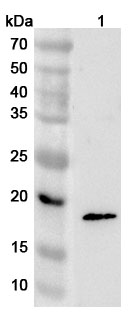
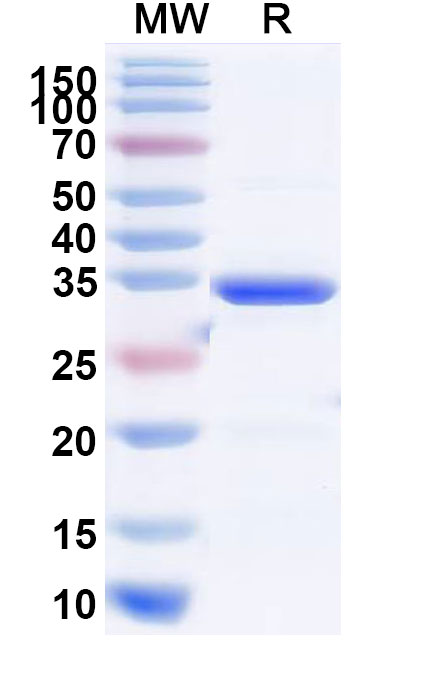
Recombinant Mouse IL21 Protein is a monomeric protein consisting of 130 amino acids with a molecular weight of approximately 15 kDa. It shares 57% sequence identity with human IL-21, making it an important tool for studying the function of this cytokine in mouse models. The protein is produced in a prokaryotic expression system and undergoes extensive purification to ensure its high purity and biological activity.
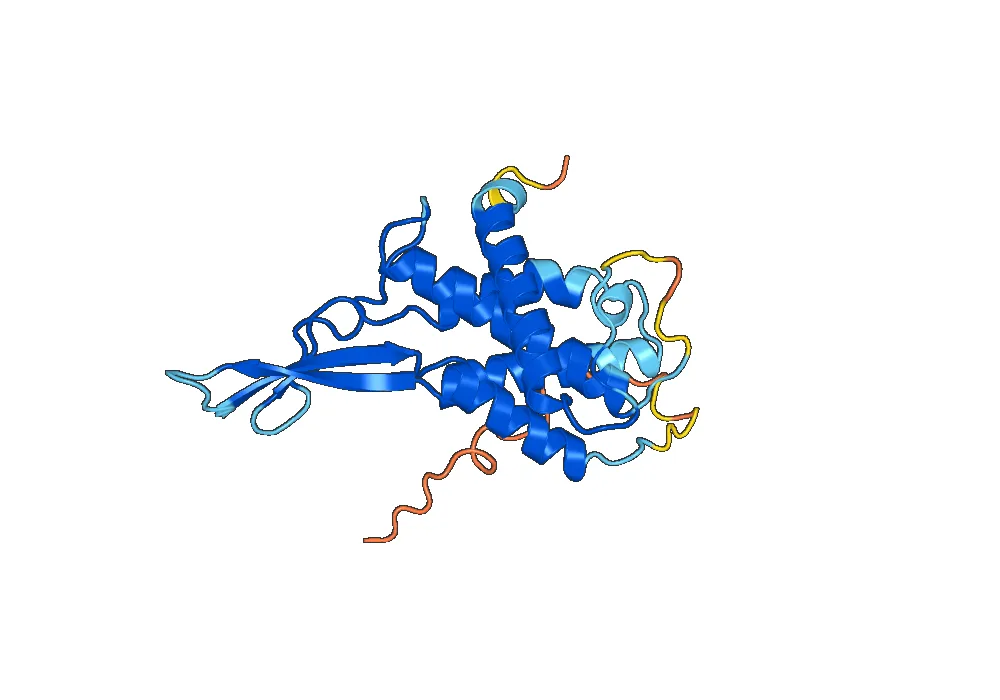
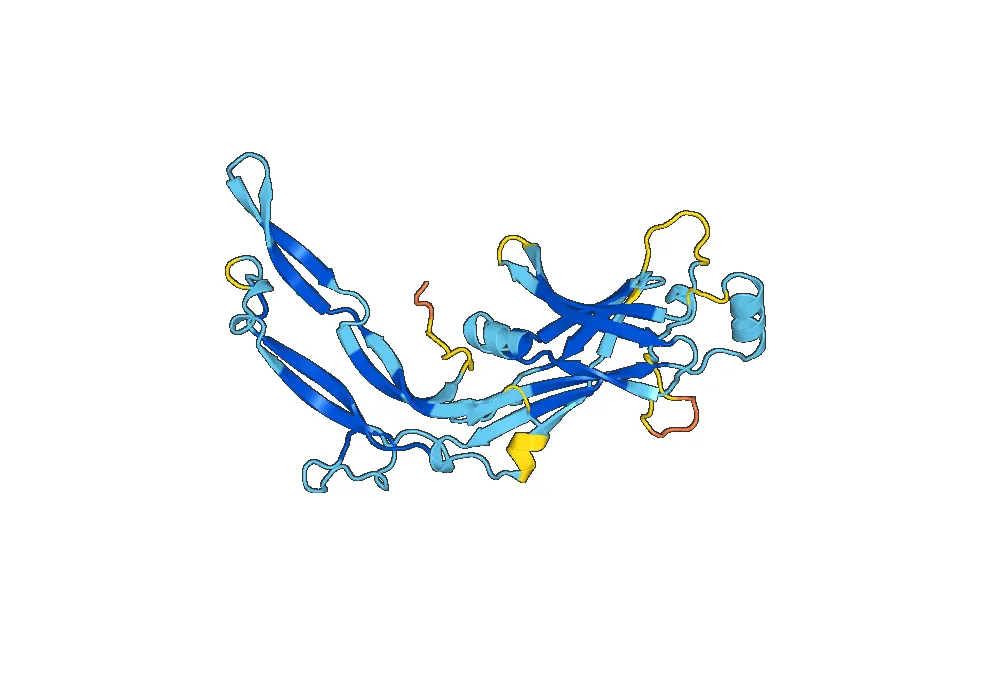
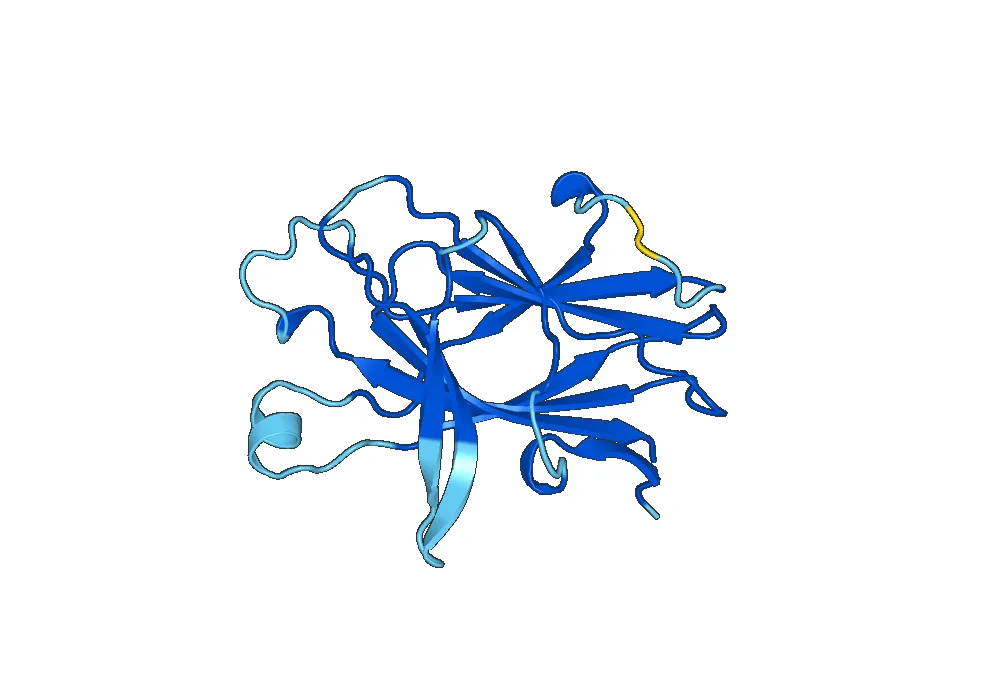
Recombinant Mouse IL21 Protein contains a conserved four-helix bundle structure, similar to other members of the IL-2 cytokine family. This structure is essential for its biological activity and allows it to bind to its receptor and initiate signaling pathways.
Activity of Recombinant Mouse IL21 Protein
Recombinant Mouse IL21 Protein exerts its biological effects by binding to the IL-21 receptor (IL-21R) on the surface of target cells. This triggers a signaling cascade that activates various pathways involved in immune function, such as the JAK/STAT pathway. IL-21R is expressed on a wide range of immune cells, including T cells, B cells, natural killer (NK) cells, and dendritic cells, making IL-21 a key regulator of immune responses.
Studies have shown that Recombinant Mouse IL21 Protein can induce proliferation and differentiation of T cells, enhance B cell activation and antibody production, and promote the cytotoxic activity of NK cells. It also has anti-inflammatory effects and can modulate the function of dendritic cells, which play a crucial role in initiating and regulating immune responses. These activities make Recombinant Mouse IL21 Protein a valuable tool for studying the complex interplay between different immune cells and their role in various diseases.
Applications of Recombinant Mouse IL21 Protein
Recombinant Mouse IL21 Protein has a wide range of applications in both basic research and drug development. Its ability to regulate immune responses makes it a valuable tool for studying various diseases, including autoimmune disorders, infectious diseases, and cancer.
In autoimmune diseases, such as rheumatoid arthritis and multiple sclerosis, IL-21 has been shown to play a role in promoting inflammation and tissue damage. Recombinant Mouse IL21 Protein can be used to investigate the mechanisms underlying these diseases and to develop potential treatments targeting IL-21 signaling.
In infectious diseases, IL-21 has been shown to have both beneficial and detrimental effects. It can enhance the immune response to certain pathogens, but it can also contribute to immunopathology in chronic infections. Recombinant Mouse IL21 Protein can be used to study the role of IL-21 in different infections and to develop strategies to modulate its activity for therapeutic purposes.
IL-21 has also been implicated in the development and progression of various types of cancer. It has been shown to have both pro-tumor and anti-tumor effects, depending on the type of cancer and the stage of the disease. Recombinant Mouse IL21 Protein can be used to investigate the role of IL-21 in different types of cancer and to develop potential cancer treatments targeting IL-21 signaling.
Conclusion
Recombinant Mouse IL21 Protein is a valuable tool for researchers studying the role of IL-21 in immune function and disease. Its highly purified and biologically



There are no reviews yet.