Introduction
Recombinant Mouse GPC3/Glypican 3 Protein is a highly specialized protein that plays a crucial role in various biological processes. It is a member of the glypican family, which consists of six glycosylphosphatidylinositol (GPI)-anchored heparan sulfate proteoglycans. GPC3 is primarily expressed in the liver, but it is also found in other tissues, including the brain, kidney, and pancreas. This protein has been extensively studied due to its involvement in several diseases, making it a potential target for therapeutic interventions.
Structure of Recombinant Mouse GPC3/Glypican 3 Protein
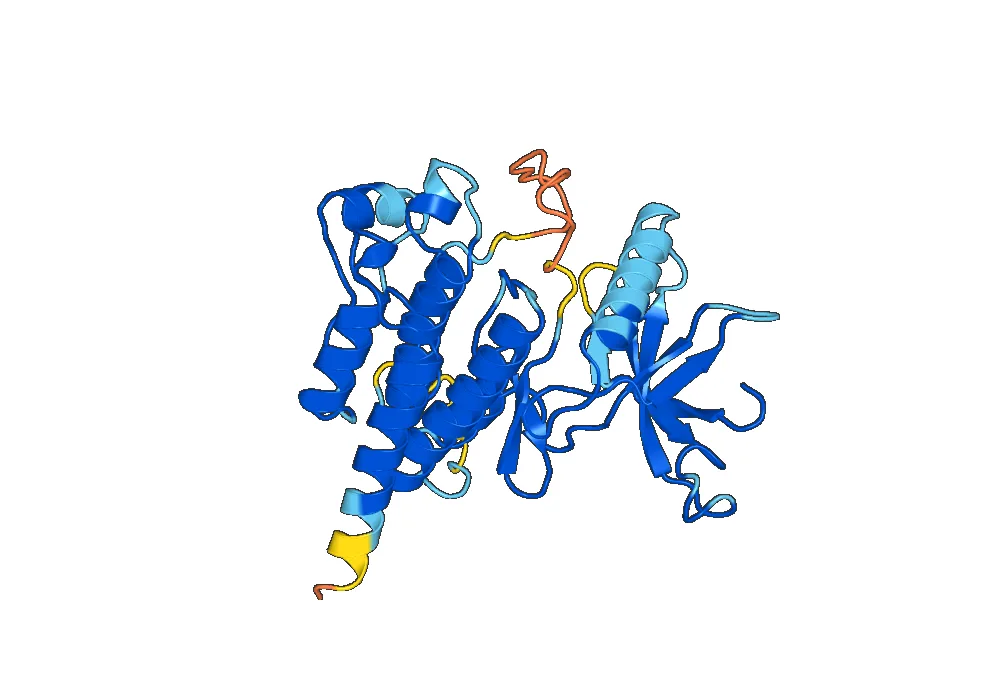
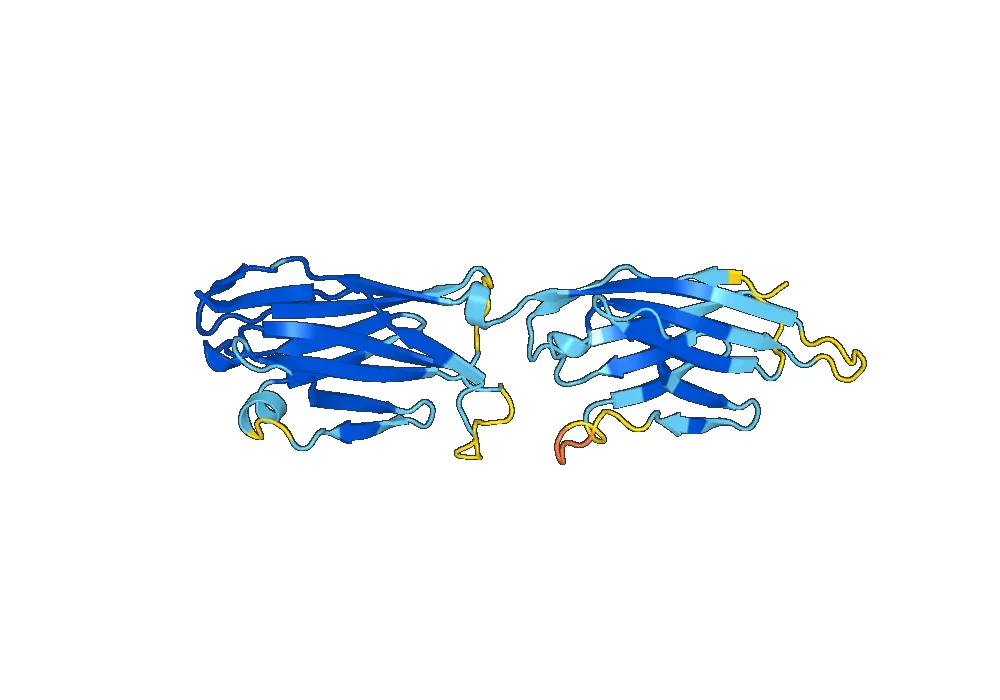
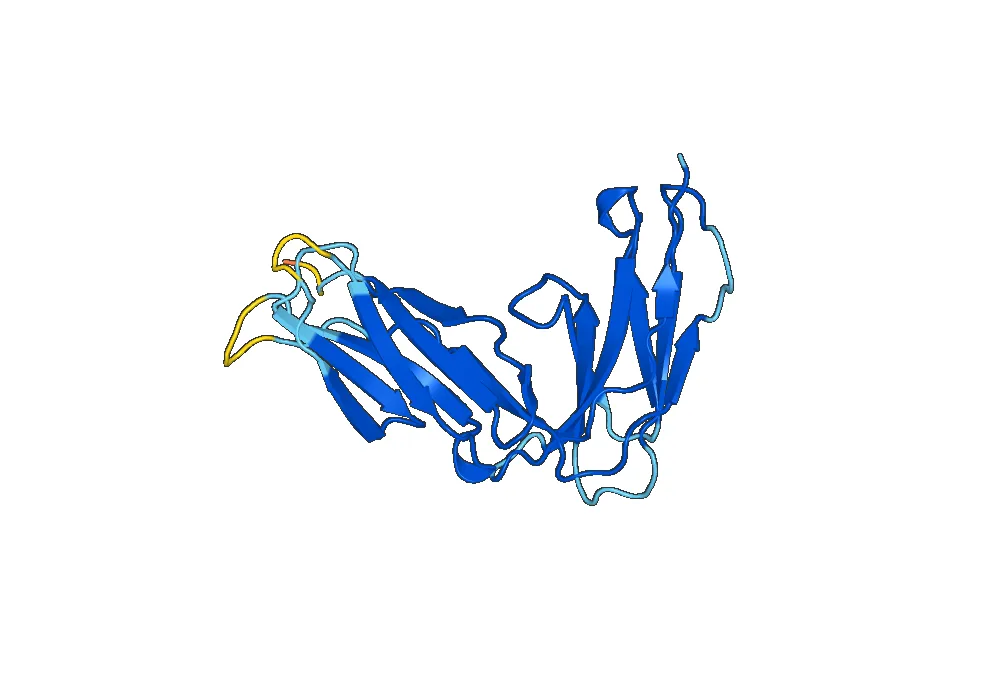
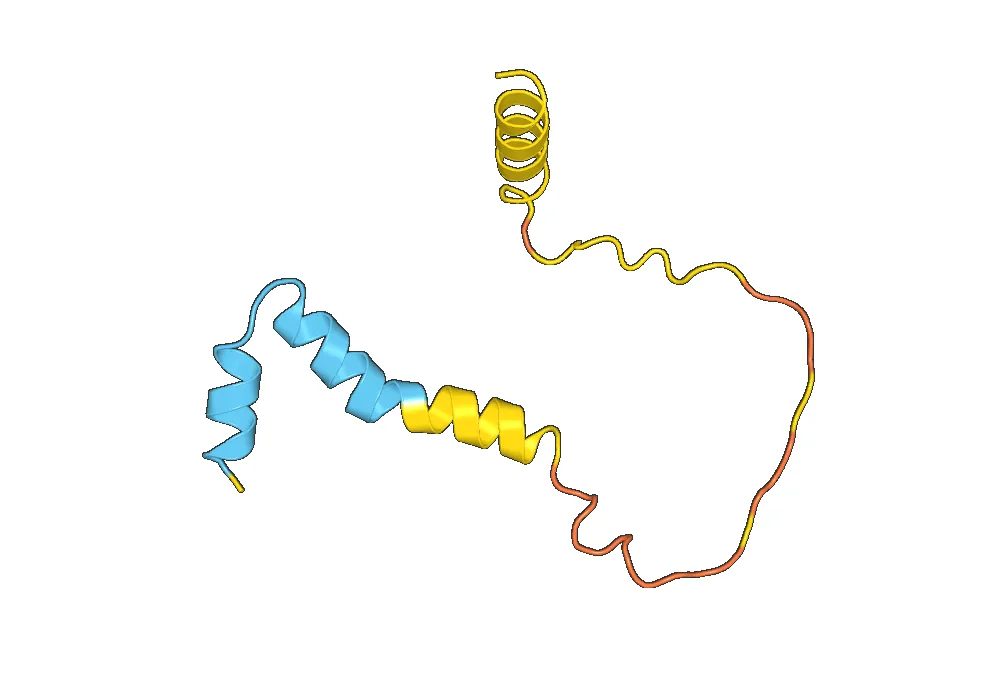
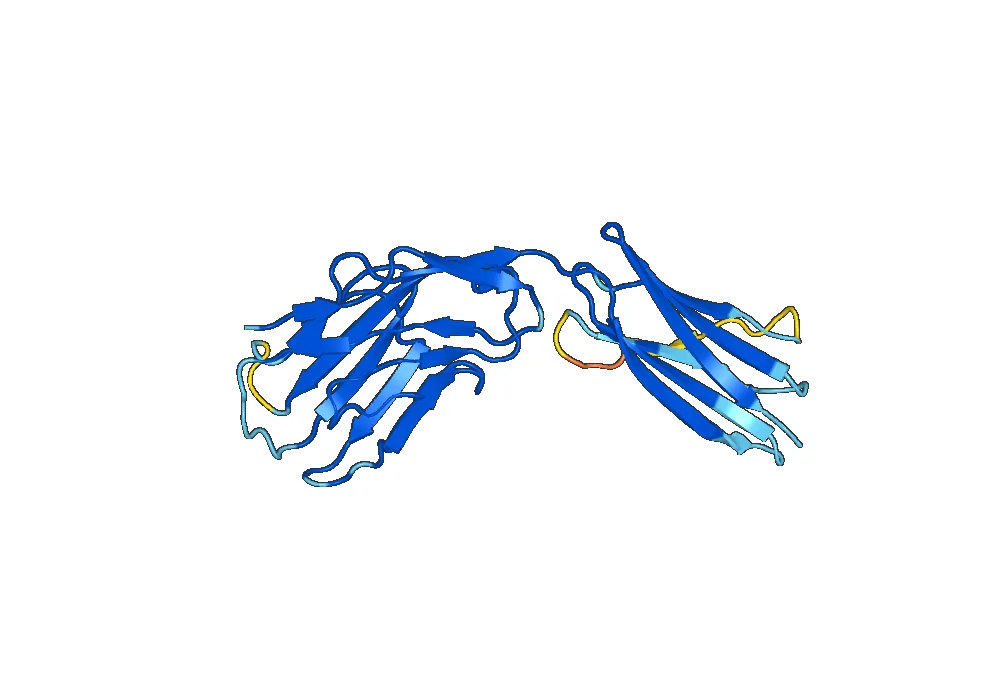
The Recombinant Mouse GPC3/Glypican 3 Protein is a 70-kDa protein that is composed of 580 amino acids. It is organized into two main domains: the N-terminal domain and the C-terminal domain. The N-terminal domain contains a signal peptide, two cysteine-rich repeats, and a heparan sulfate attachment site. The C-terminal domain contains a GPI anchor attachment site and a highly conserved region that is responsible for binding to the extracellular matrix (ECM) proteins. This protein also has a highly conserved central region that is rich in serine and threonine residues, which are potential sites for post-translational modifications.
Activity of Recombinant Mouse GPC3/Glypican 3 Protein
Recombinant Mouse GPC3/Glypican 3 Protein has been shown to have multiple activities, including cell proliferation, cell adhesion, and cell migration. It is involved in regulating the activity of various growth factors, such as fibroblast growth factor (FGF) and wingless-type MMTV integration site family (Wnt). This protein also plays a crucial role in the development and maintenance of tissues and organs, particularly in the liver, where it is highly expressed.
One of the key activities of Recombinant Mouse GPC3/Glypican 3 Protein is its ability to interact with ECM proteins. This interaction is essential for the regulation of cell adhesion and migration, which are crucial processes in tissue development and repair. Additionally, this protein has been shown to bind to FGF and Wnt, which are important signaling molecules involved in cell growth and differentiation. By regulating the activity of these growth factors, Recombinant Mouse GPC3/Glypican 3 Protein plays a critical role in controlling cell proliferation and tissue homeostasis.
Application of Recombinant Mouse GPC3/Glypican 3 Protein
Recombinant Mouse GPC3/Glypican 3 Protein has various applications in both research and clinical settings. In research, this protein is used as a tool to study its role in different biological processes. It is also used to investigate its involvement in diseases, such as cancer and liver diseases. Additionally, Recombinant Mouse GPC3/Glypican 3 Protein is used to study its interaction with other proteins and molecules, which can provide valuable insights into its mechanism of action.
In clinical settings, Recombinant Mouse GPC3/Glypican 3 Protein has been identified as a potential target for therapeutic interventions. It has been shown to be overexpressed in several types of cancer, including hepatocellular carcinoma and melanoma, making it a potential biomarker for cancer diagnosis and prognosis. Moreover, studies have shown that targeting GPC3 with specific antibodies can inhibit tumor growth and metastasis, making it a promising target for cancer treatment.
Conclusion
Recombinant Mouse GPC3/Glypican 3 Protein is a highly specialized protein that plays a crucial role in various biological processes. Its unique structure and multiple activities make it a valuable tool for research and a potential target for therapeutic interventions. Further studies on this protein can provide a deeper understanding of its

There are no reviews yet.