Introduction
Recombinant Mouse RLN1 Protein, also known as Relaxin 1, is a type of recombinant protein that has gained significant attention in the field of reproductive biology. It is a member of the relaxin family of peptides, which play important roles in various physiological processes, including reproduction, cardiovascular function, and tissue remodeling. Recombinant Mouse RLN1 Protein is produced through genetic engineering techniques, making it a valuable tool for studying its structure, activity, and potential applications.
Structure of Recombinant Mouse RLN1 Protein
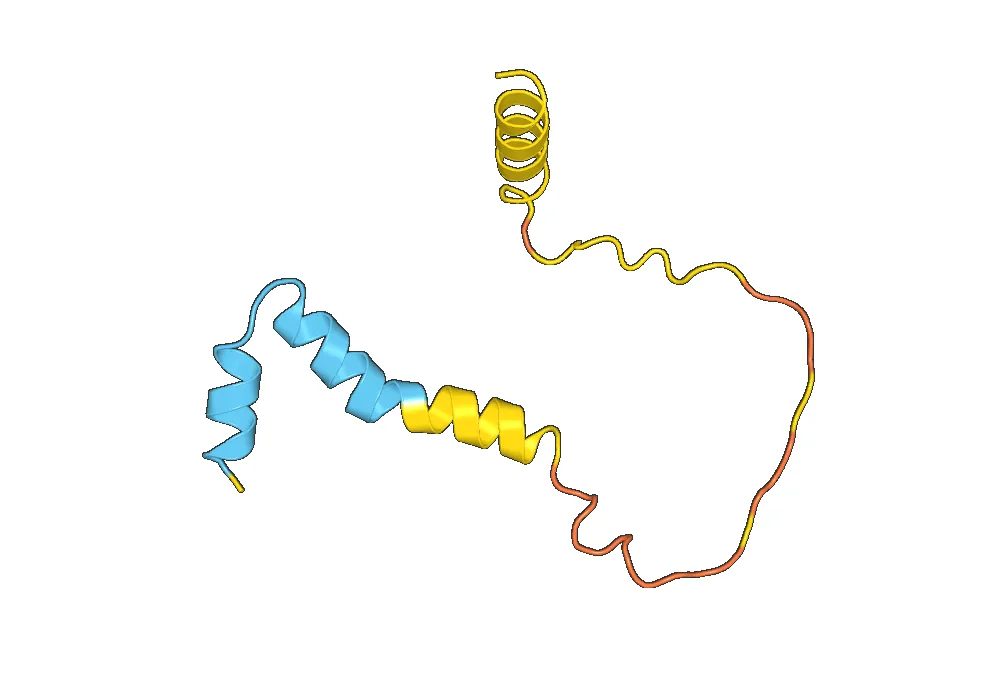
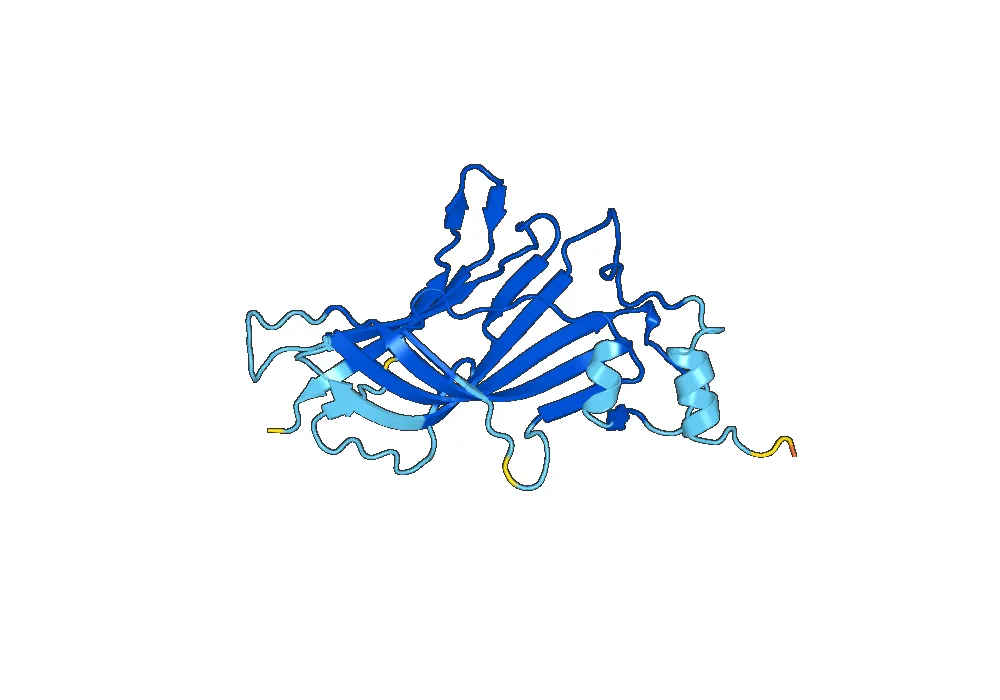
Recombinant Mouse RLN1 Protein is a 6 kDa polypeptide consisting of 53 amino acids. It shares high sequence homology with other members of the relaxin family, including human relaxin, porcine relaxin, and rat relaxin. The protein has two disulfide bonds that are essential for its biological activity. These bonds are formed between cysteine residues at positions 11 and 20, and 29 and 41, respectively. The three-dimensional structure of Recombinant Mouse RLN1 Protein has been determined through X-ray crystallography, revealing a compact globular structure with a characteristic fold. This structure is essential for the protein’s activity and interaction with its receptors.
Activity of Recombinant Mouse RLN1 Protein
Recombinant Mouse RLN1 Protein exerts its biological effects by binding to its specific receptors, relaxin family peptide receptors 1 and 2 (RXFP1 and RXFP2). This binding triggers a signaling cascade that leads to the activation of various downstream pathways. The main function of Recombinant Mouse RLN1 Protein is to promote relaxation of uterine smooth muscles, which is crucial for successful implantation and pregnancy. It also plays a role in the remodeling of connective tissues in various organs, such as the cervix, breast, and heart. In addition, Recombinant Mouse RLN1 Protein has been shown to have anti-fibrotic, anti-inflammatory, and vasodilatory effects, making it a potential therapeutic agent for various diseases.
Applications of Recombinant Mouse RLN1 Protein
Recombinant Mouse RLN1 Protein has a wide range of applications in both basic research and clinical settings. Its ability to promote uterine relaxation makes it a valuable tool for studying reproductive processes, such as ovulation, fertilization, and pregnancy. It has also been used in studies investigating the role of relaxin in other physiological processes, including cardiovascular function and tissue remodeling. In addition, Recombinant Mouse RLN1 Protein has shown promising results in preclinical studies as a potential treatment for conditions such as heart failure, fibrosis, and inflammatory diseases.
Recombinant Mouse RLN1 Protein as an Antigen
Recombinant Mouse RLN1 Protein has also been used as an antigen in various immunoassays, including ELISA, Western blotting, and immunohistochemistry. Its high purity and specific activity make it an ideal antigen for the detection and quantification of relaxin-specific antibodies in biological samples. This has been particularly useful in studies investigating the role of relaxin in autoimmune diseases, such as systemic sclerosis and rheumatoid arthritis.
Conclusion
In summary, Recombinant Mouse RLN1 Protein is a valuable tool for studying the structure, activity, and potential applications of relaxin in various physiological processes. Its production through genetic engineering techniques has enabled researchers to obtain high-quality, pure protein for use in both basic research and clinical studies. With its diverse range of functions and potential therapeutic applications, Recombinant Mouse RLN1 Protein holds great promise for future research in the field of reproductive biology and beyond.


There are no reviews yet.