Introduction
Recombinant Mouse CFH Protein, also known as complement factor H (CFH), is a glycoprotein that plays a crucial role in the regulation of the complement system. This protein is essential for maintaining immune homeostasis and protecting the host from excessive complement activation. In this article, we will discuss the structure, activity, and applications of Recombinant Mouse CFH Protein.
Structure of Recombinant Mouse CFH Protein
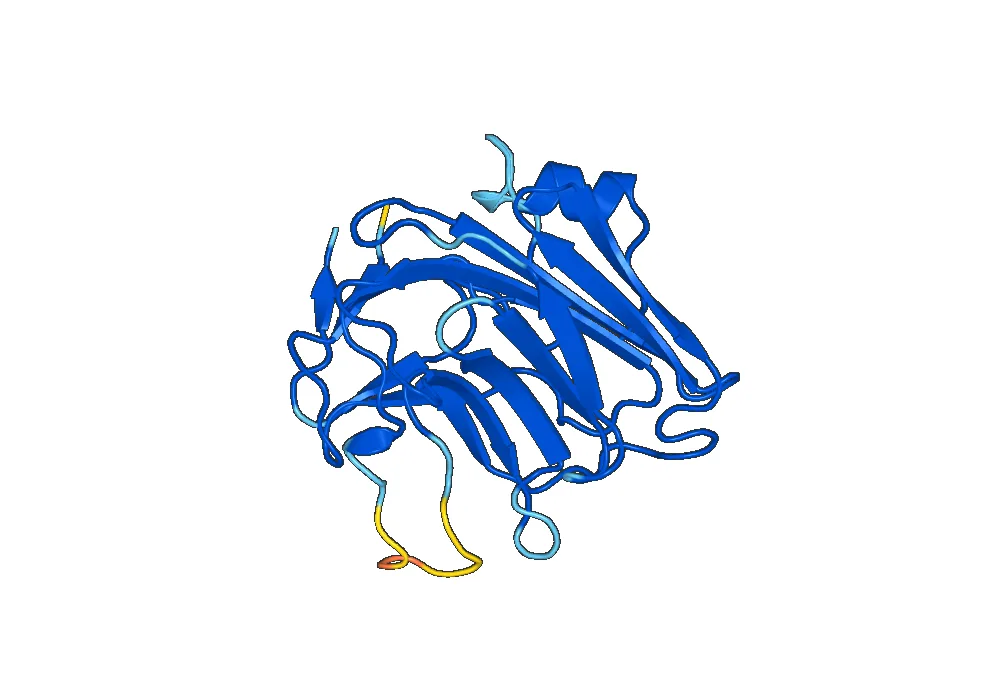
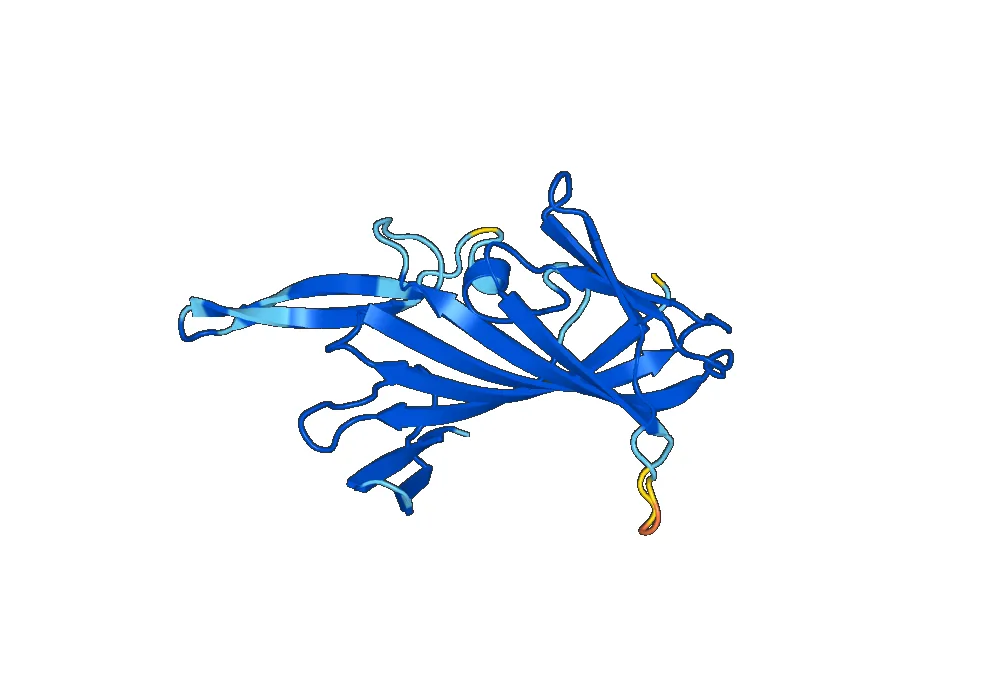
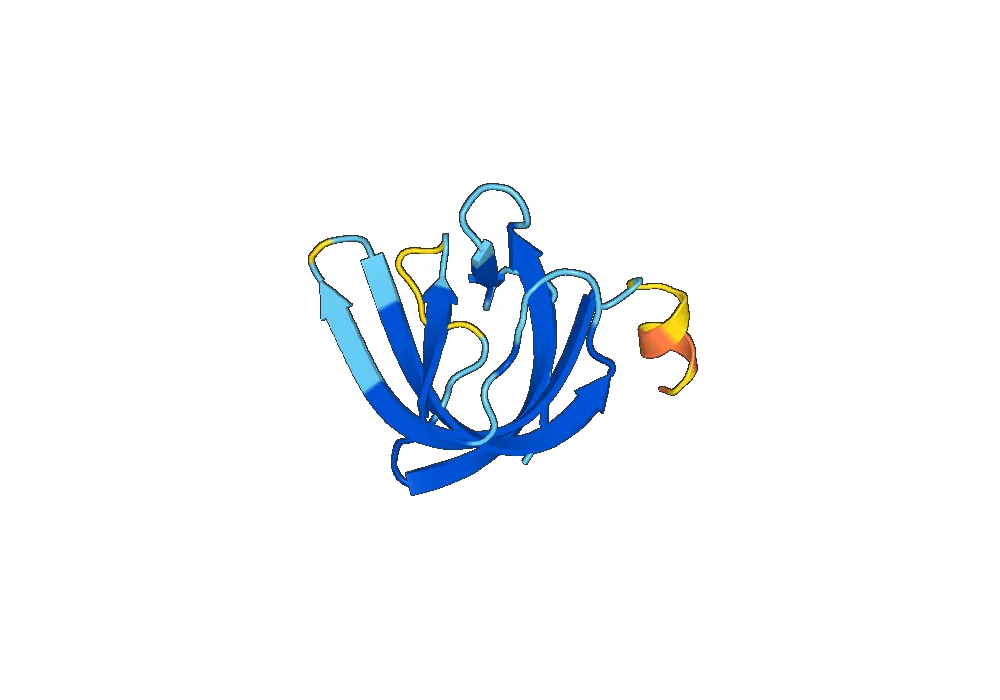
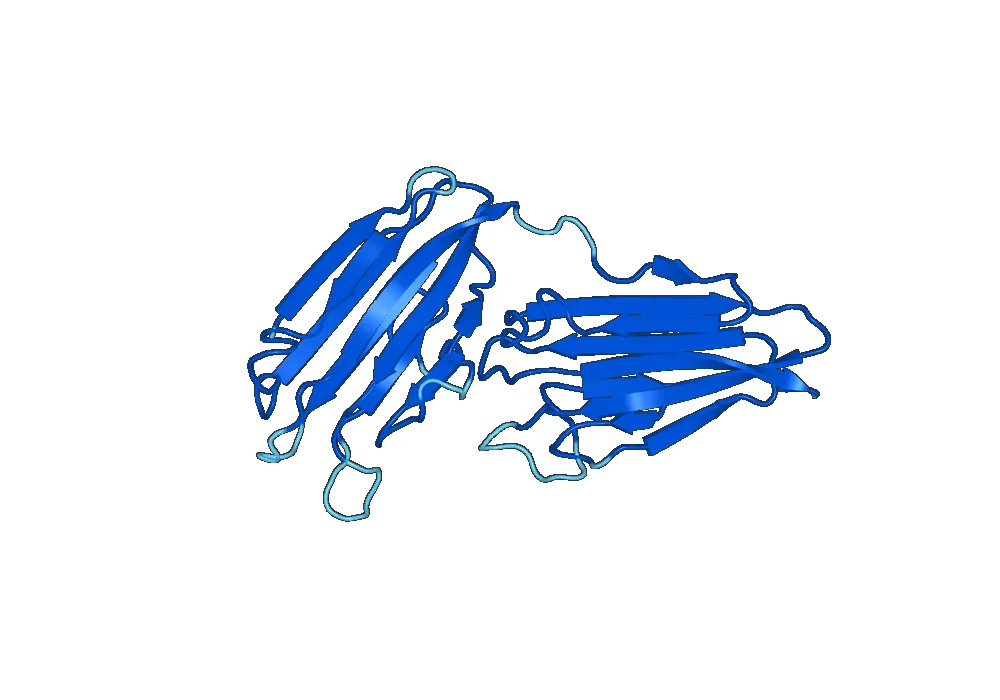
Recombinant Mouse CFH Protein is a 155 kDa glycoprotein composed of 20 complement control protein (CCP) domains. These domains are arranged in a linear fashion, with the N-terminal domain being the largest and the C-terminal domain being the smallest. The N-terminal domain contains the binding sites for C3b and heparin, while the C-terminal domain contains the binding sites for C3d and C3dg. The CCP domains are connected by short linkers, giving the protein a flexible structure. The glycosylation of Recombinant Mouse CFH Protein is essential for its proper folding and function.
Activity of Recombinant Mouse CFH Protein
Recombinant Mouse CFH Protein is a key regulator of the alternative pathway of the complement system. It binds to C3b, the central component of the complement cascade, and inhibits its spontaneous hydrolysis. This prevents the formation of the C3 convertase, which is responsible for the amplification of the complement cascade. Recombinant Mouse CFH Protein also acts as a cofactor for Factor I, promoting the cleavage of C3b into its inactive form, iC3b. This prevents the opsonization and lysis of host cells by the complement system. In addition, Recombinant Mouse CFH Protein has been shown to have anti-inflammatory properties by inhibiting the production of pro-inflammatory cytokines.
Applications of Recombinant Mouse CFH Protein
Recombinant Mouse CFH Protein has a wide range of applications in both research and clinical settings. It is commonly used as an antigen in various studies to investigate the role of CFH in complement regulation and immune response. Recombinant Mouse CFH Protein can also be used as a standard in enzyme-linked immunosorbent assays (ELISA) to measure the levels of CFH in biological samples.
In the clinical setting, Recombinant Mouse CFH Protein has potential therapeutic applications. It has been shown to be effective in the treatment of complement-mediated diseases such as atypical hemolytic uremic syndrome (aHUS) and age-related macular degeneration (AMD). In aHUS, mutations in the CFH gene can lead to uncontrolled complement activation, resulting in damage to the kidney. Recombinant Mouse CFH Protein can be used to replace the defective CFH and restore complement regulation. In AMD, the abnormal activation of the complement system can lead to the formation of drusen, which can cause vision loss. Recombinant Mouse CFH Protein has been shown to inhibit the formation of drusen and prevent the progression of AMD.
Conclusion
Recombinant Mouse CFH Protein is a crucial component of the complement system, playing a vital role in maintaining immune homeostasis. Its structure, activity, and applications make it a valuable tool in both research and clinical settings. Further studies on this protein may lead to the development of new therapies for complement-mediated diseases.



There are no reviews yet.