Introduction to Recombinant Mouse CD200 Protein
Recombinant Mouse CD200 Protein is a synthetic protein that is produced through recombinant DNA technology. This protein is a member of the immunoglobulin superfamily and is found on the surface of various immune cells, including T cells, B cells, and dendritic cells. It plays a crucial role in regulating immune responses and has been studied extensively for its potential therapeutic applications.
Structure of Recombinant Mouse CD200 Protein
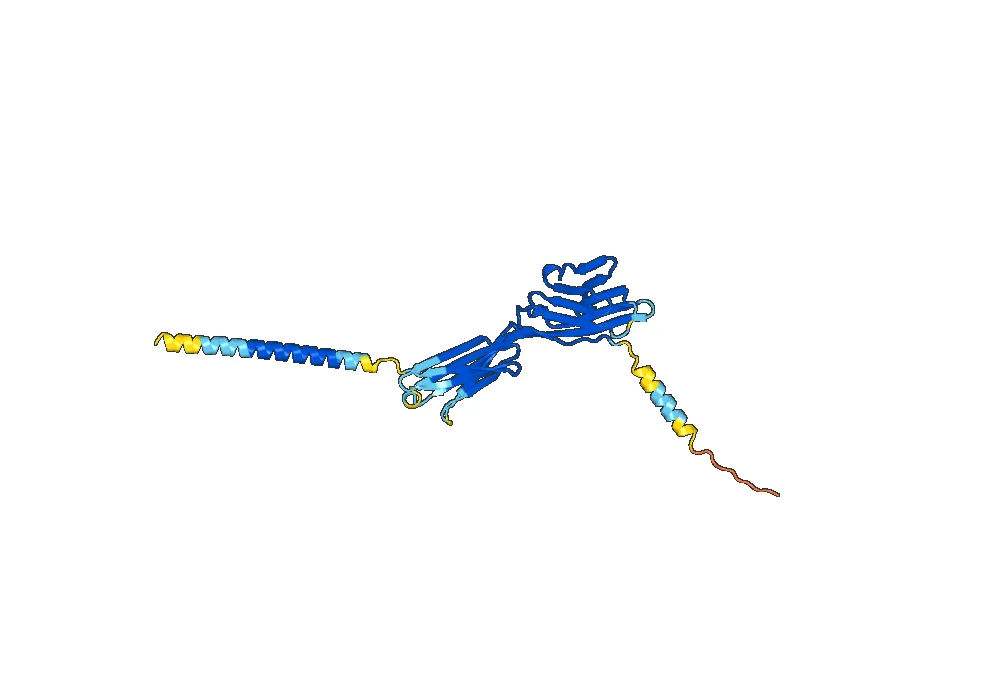
The recombinant mouse CD200 protein is composed of 235 amino acids and has a molecular weight of approximately 25 kDa. It is a type I transmembrane protein, meaning it has a single transmembrane domain and is anchored to the cell membrane. The extracellular region of the protein contains two immunoglobulin-like domains, which are responsible for its interactions with other proteins.
The structure of recombinant mouse CD200 protein is highly conserved among different species, with a sequence identity of 85% between humans and mice. This allows for the use of mouse CD200 protein in various research studies and potential therapeutic applications.
Activity of Recombinant Mouse CD200 Protein
Recombinant mouse CD200 protein acts as a ligand for its receptor, CD200R, which is expressed on the surface of various immune cells. The binding of CD200 to CD200R leads to the activation of inhibitory signaling pathways, resulting in the suppression of immune responses. This activity is crucial for maintaining immune homeostasis and preventing excessive inflammation.
Studies have shown that recombinant mouse CD200 protein can inhibit the proliferation and activation of T cells, B cells, and dendritic cells. It has also been found to suppress the production of pro-inflammatory cytokines and promote the development of anti-inflammatory regulatory T cells. These activities make recombinant mouse CD200 protein a potential therapeutic agent for various autoimmune and inflammatory diseases.
Application of Recombinant Mouse CD200 Protein
Recombinant mouse CD200 protein has been extensively studied for its potential therapeutic applications in various diseases. One of the most promising areas of research is in the treatment of autoimmune diseases, such as multiple sclerosis, rheumatoid arthritis, and type 1 diabetes. By suppressing immune responses, recombinant mouse CD200 protein can help reduce inflammation and tissue damage in these diseases.
In addition, recombinant mouse CD200 protein has also shown potential in the treatment of inflammatory conditions, such as asthma, inflammatory bowel disease, and sepsis. It has been found to reduce inflammation and improve clinical outcomes in animal models of these diseases.
Furthermore, recombinant mouse CD200 protein has been investigated for its potential in cancer therapy. Studies have shown that it can inhibit the growth and metastasis of various types of cancer cells, including breast, colon, and lung cancer. This is due to its ability to suppress immune responses that promote tumor growth and progression.
Conclusion
Recombinant Mouse CD200 Protein is a synthetic protein with a well-defined structure and important immunomodulatory activity. Its potential therapeutic applications in autoimmune diseases, inflammatory conditions, and cancer make it a valuable tool for researchers and a promising candidate for future treatments. Further studies are needed to fully understand the mechanisms of action and potential side effects of recombinant mouse CD200 protein, but its potential in the field of immunotherapy is highly promising.




There are no reviews yet.