Introduction to Recombinant Mouse CD317/BST2 Protein
Recombinant Mouse CD317/BST2 Protein, also known as Bone Marrow Stromal Cell Antigen 2 (BST2), is a type II transmembrane glycoprotein that is expressed on the surface of various cell types, including immune cells and cancer cells. This protein plays a crucial role in the immune response and has been extensively studied for its potential applications in immunotherapy and cancer treatment.
Structure of Recombinant Mouse CD317/BST2 Protein
The recombinant form of CD317/BST2 protein is produced through genetic engineering techniques, where the gene encoding for the protein is inserted into a suitable expression system, such as bacteria or mammalian cells. The resulting protein is then purified to obtain a high-quality and biologically active product.
The CD317/BST2 protein is composed of 180 amino acids, with a predicted molecular weight of approximately 21 kDa. It contains a single N-terminal transmembrane domain and a C-terminal cytoplasmic tail. The extracellular region of the protein is highly glycosylated, with four potential N-linked glycosylation sites. The glycosylation of CD317/BST2 is crucial for its proper folding, stability, and function.
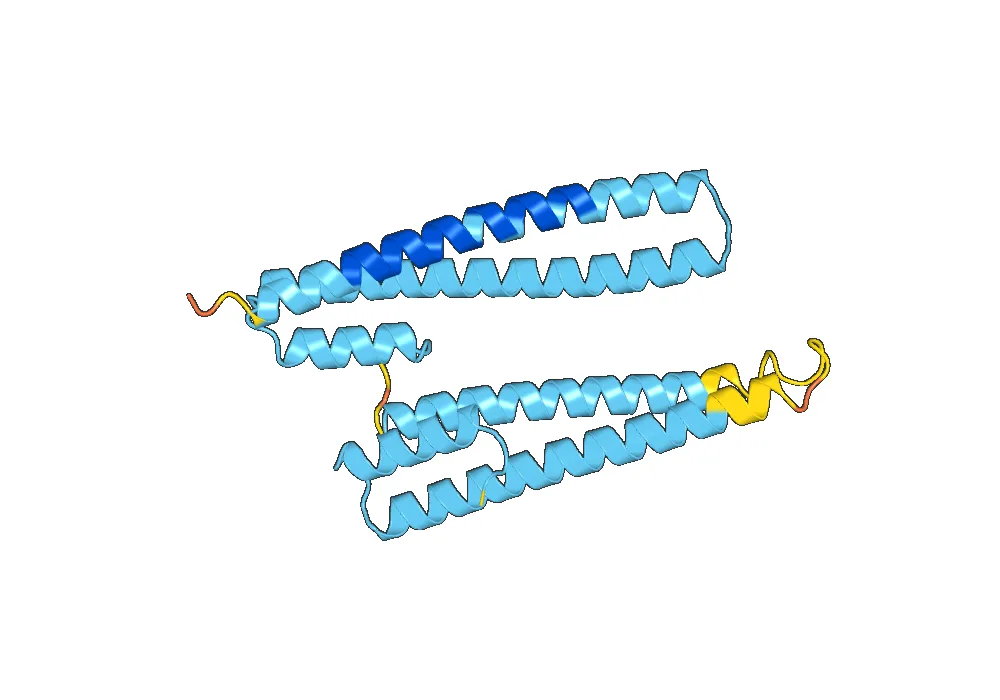
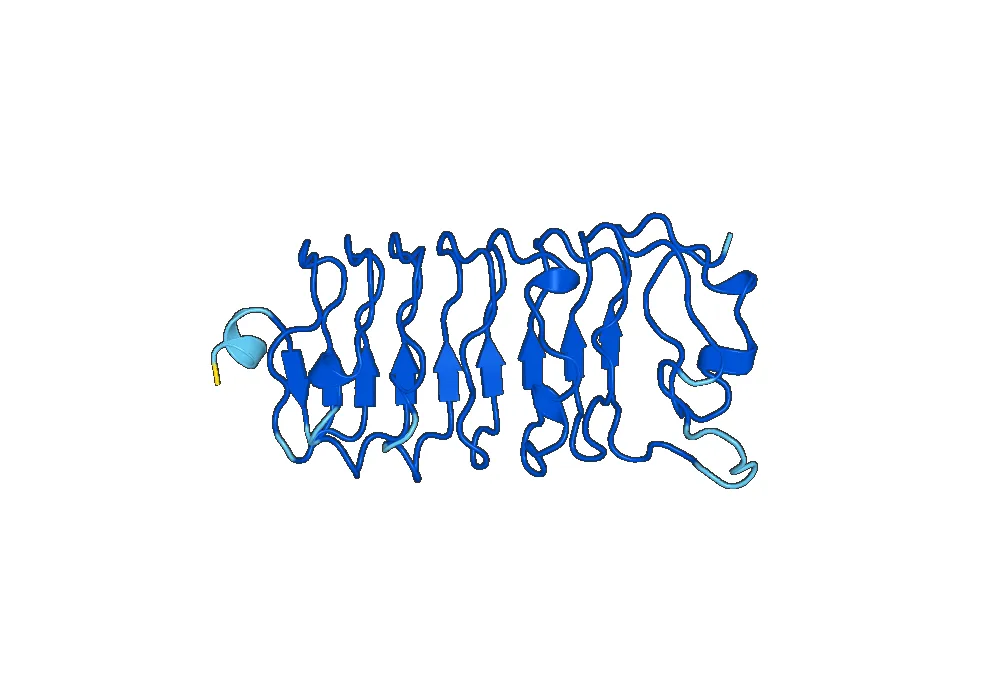
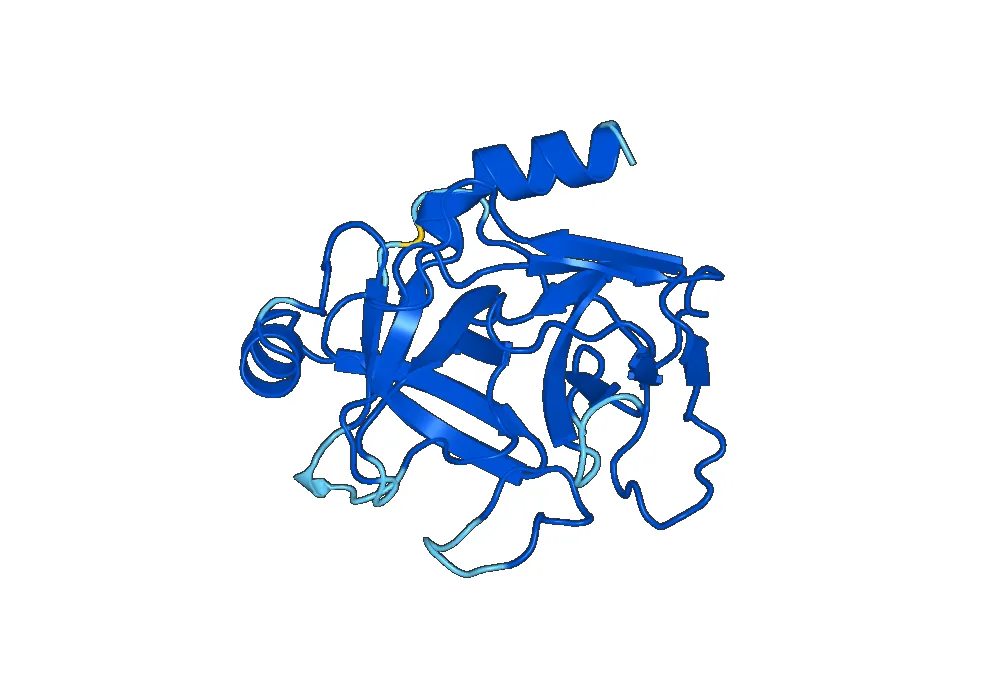
The crystal structure of CD317/BST2 has been determined, revealing a homodimeric structure with each monomer consisting of four alpha helices. The dimerization of CD317/BST2 is essential for its biological activity and is mediated by interactions between the cytoplasmic tails of the protein.
Activity of Recombinant Mouse CD317/BST2 Protein
CD317/BST2 protein is a type I interferon (IFN)-inducible protein that is upregulated in response to viral infections and other immune stimuli. It has been shown to inhibit the release of various enveloped viruses, including HIV, by tethering them to the surface of infected cells. This activity is mediated by the extracellular domain of CD317/BST2, which contains a conserved sequence motif called the “tetherin homology domain.”
In addition to its antiviral activity, CD317/BST2 has also been implicated in immune cell activation and regulation. It has been shown to interact with various immune receptors, including the cytokine receptor IFN-α/β receptor 1 (IFNAR1) and the T cell costimulatory receptor CD28. These interactions can modulate immune cell signaling and function, highlighting the multifaceted role of CD317/BST2 in the immune response.
Applications of Recombinant Mouse CD317/BST2 Protein
The unique structure and activity of CD317/BST2 make it a promising candidate for various applications in immunotherapy and cancer treatment. One potential application is the use of CD317/BST2 as an antigen for cancer vaccines. The protein has been found to be overexpressed on the surface of various cancer cells, making it a potential target for immune-mediated destruction of tumor cells.
CD317/BST2 has also been investigated as a potential therapeutic agent for viral infections. Recombinant forms of the protein have been shown to inhibit the release of HIV and other viruses, making it a potential treatment option for these infections. Additionally, the ability of CD317/BST2 to modulate immune cell signaling and function could be harnessed for the development of novel immunotherapies.
Conclusion
In summary, Recombinant Mouse CD317/BST2 Protein is a unique and versatile protein that plays a crucial role in the immune response. Its structure, activity, and potential applications make it a promising target for further research and development in the fields of immunotherapy and cancer treatment. With ongoing studies and advancements in protein engineering techniques, the full potential of CD317/BST2 in these areas is yet to be fully realized.


There are no reviews yet.