Introduction
Recombinant proteins have become an essential tool in various fields of research and biotechnology. These proteins are produced by genetically engineering organisms, such as bacteria or yeasts, to express specific genes and produce large quantities of a desired protein. One such recombinant protein is the Recombinant Mouse APOE Protein, which has gained significant attention due to its important role in lipid metabolism and its potential therapeutic applications.
Structure of Recombinant Mouse APOE Protein
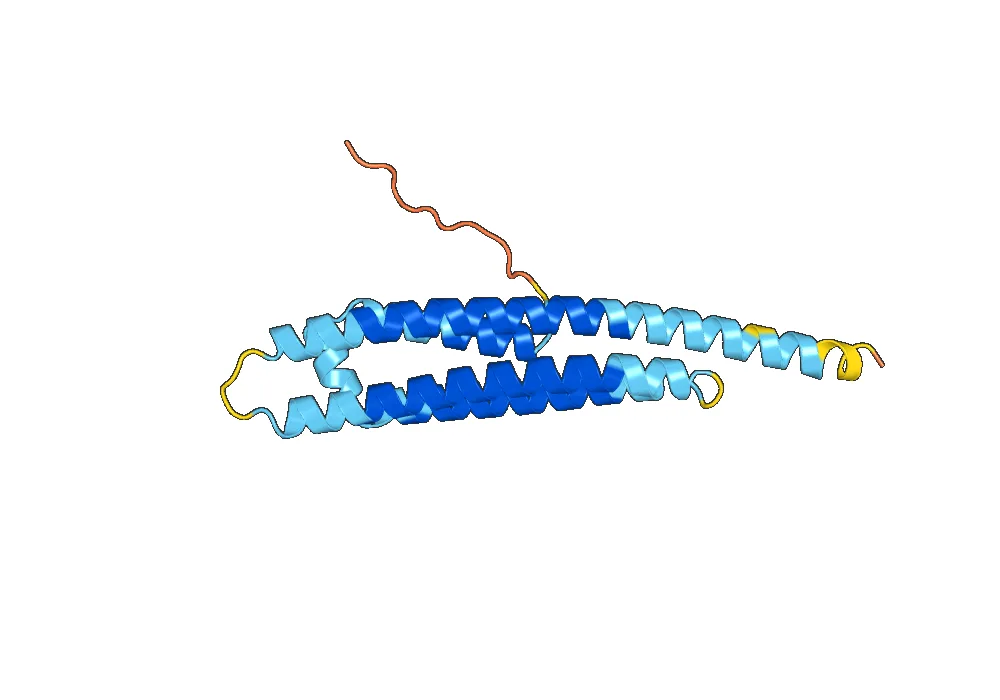
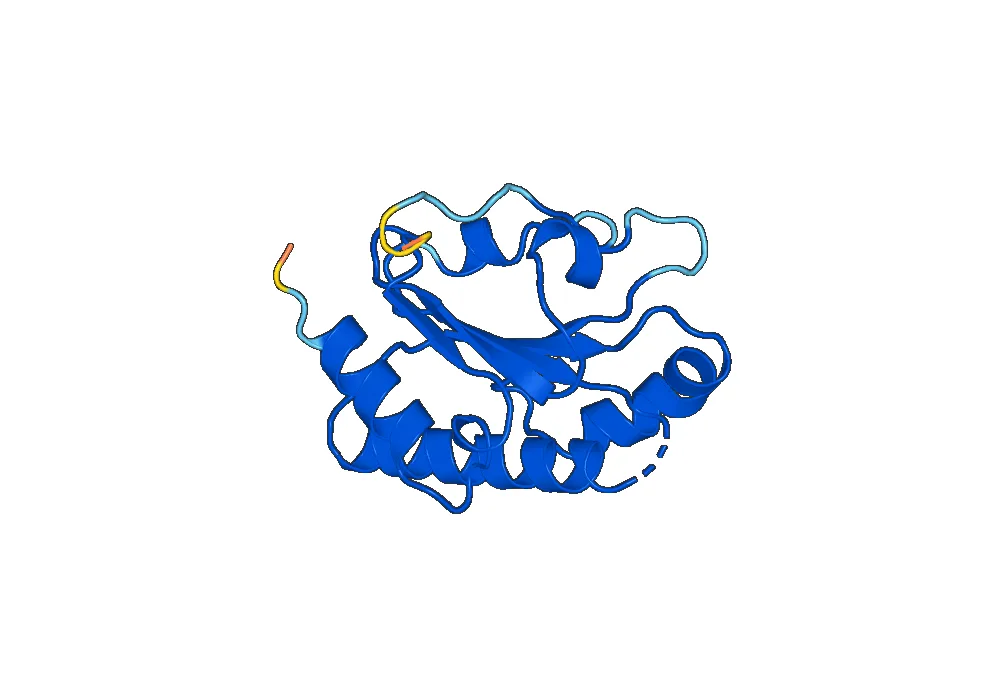
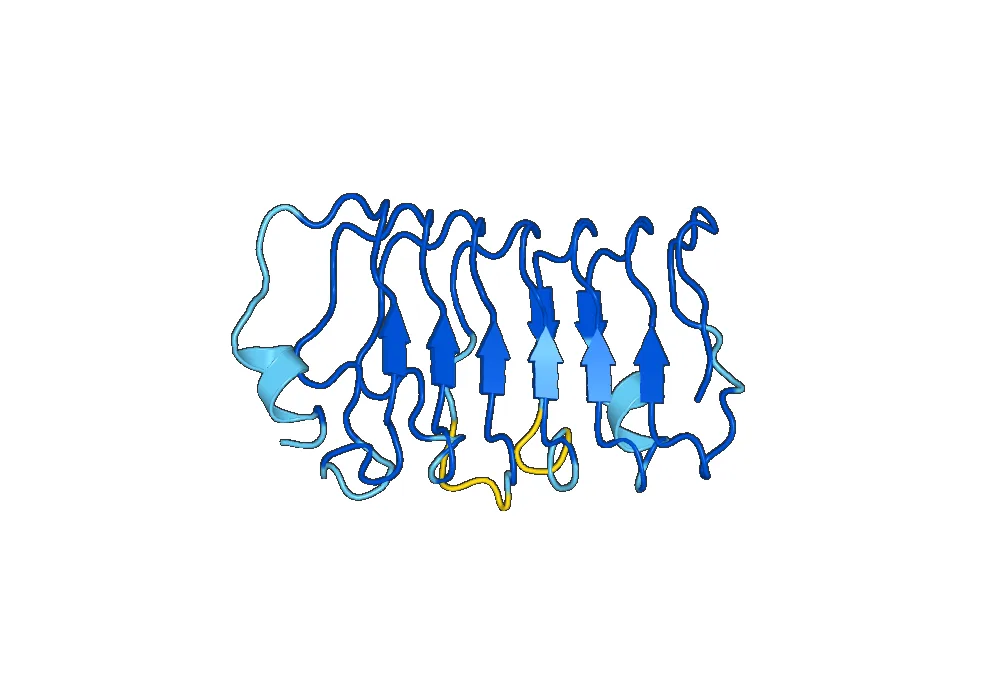
The Recombinant Mouse APOE Protein is a 299 amino acid long protein with a molecular weight of approximately 34 kDa. It belongs to the apolipoprotein family and is primarily produced in the liver. The protein is composed of two domains, N-terminal and C-terminal, which are connected by a flexible hinge region. The N-terminal domain contains the lipid-binding region, while the C-terminal domain is responsible for receptor binding and lipid transport. The protein also has a signal peptide sequence at its N-terminus, which is important for its secretion from the cell.
Activity of Recombinant Mouse APOE Protein
The main function of the Recombinant Mouse APOE Protein is to transport lipids, such as cholesterol and triglycerides, in the blood. It binds to lipoprotein particles and acts as a ligand for lipoprotein receptors, facilitating the uptake of lipoproteins by cells. This process is crucial for maintaining normal lipid levels in the body and preventing the development of cardiovascular diseases. Additionally, the protein also plays a role in the clearance of amyloid-beta, a protein associated with Alzheimer’s disease, from the brain.
Studies have shown that the activity of the Recombinant Mouse APOE Protein is dependent on its isoform. There are three isoforms of APOE in mice, APOE2, APOE3, and APOE4, with APOE3 being the most common. APOE4 has been associated with an increased risk of developing Alzheimer’s disease, while APOE2 has been shown to have a protective effect. Recombinant Mouse APOE Protein isoforms can be easily produced in large quantities, making it an important tool for studying the functional differences between these isoforms.
Application of Recombinant Mouse APOE Protein
The Recombinant Mouse APOE Protein has a wide range of applications in both research and therapeutic settings. In research, it is used to study the role of APOE in lipid metabolism and its association with diseases such as Alzheimer’s and atherosclerosis. The protein is also used in drug discovery and development, as it can be used to screen potential drugs that target APOE or its receptors.
In the field of therapeutics, Recombinant Mouse APOE Protein has shown promising results in the treatment of various diseases. Studies have shown that the protein can improve lipid metabolism and reduce atherosclerotic plaque formation in animal models. It has also been investigated as a potential treatment for Alzheimer’s disease, as it has been shown to enhance the clearance of amyloid-beta from the brain. Furthermore, the protein has been used as a carrier for drug delivery, as it can bind to lipoprotein receptors present on the surface of cells, allowing targeted delivery of drugs to specific tissues.
Conclusion
The Recombinant Mouse APOE Protein is a versatile and important tool in the field of research and therapeutics. Its well-defined structure, specific activity, and various applications make it an ideal candidate for studying lipid metabolism and developing treatments for diseases such as Alzheimer’s and atherosclerosis. With ongoing research and advancements in recombinant protein technology, the potential of Recombinant Mouse APOE Protein in various fields continues to expand.
</html



There are no reviews yet.