Recombinant Mouse SELENOP Protein: Structure, Activity, and Applications
Introduction
Recombinant proteins are proteins that are produced through genetic engineering techniques, allowing for the production of large quantities of a specific protein. These proteins have a wide range of applications in various fields, including medicine, biotechnology, and research. One such recombinant protein is the Recombinant Mouse SELENOP Protein, which has gained significant attention in recent years due to its unique structure and diverse functions.
Structure of Recombinant Mouse SELENOP Protein
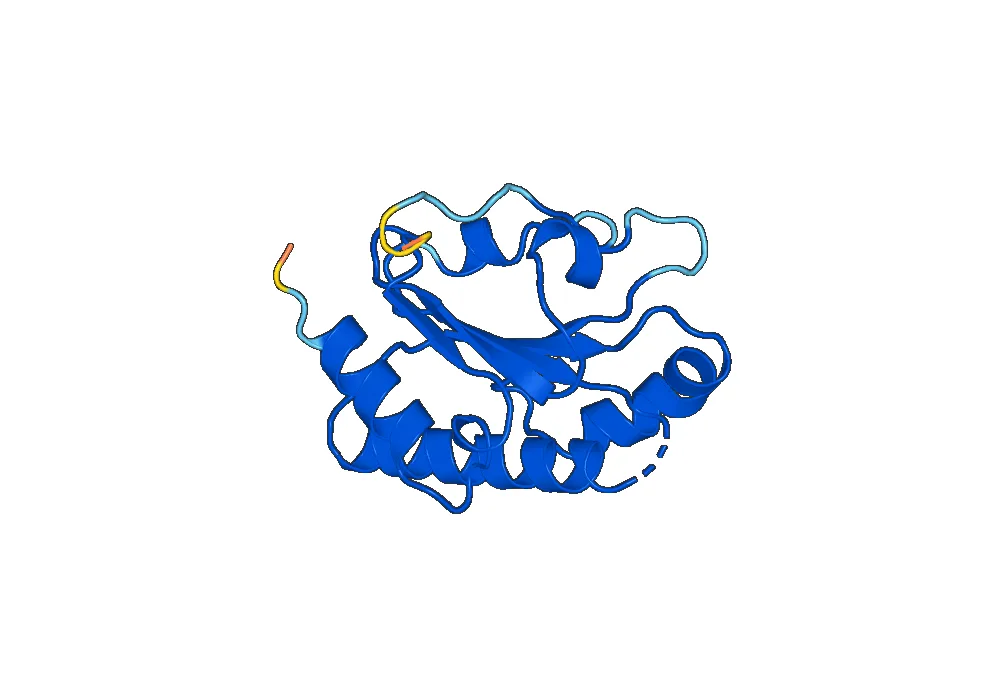
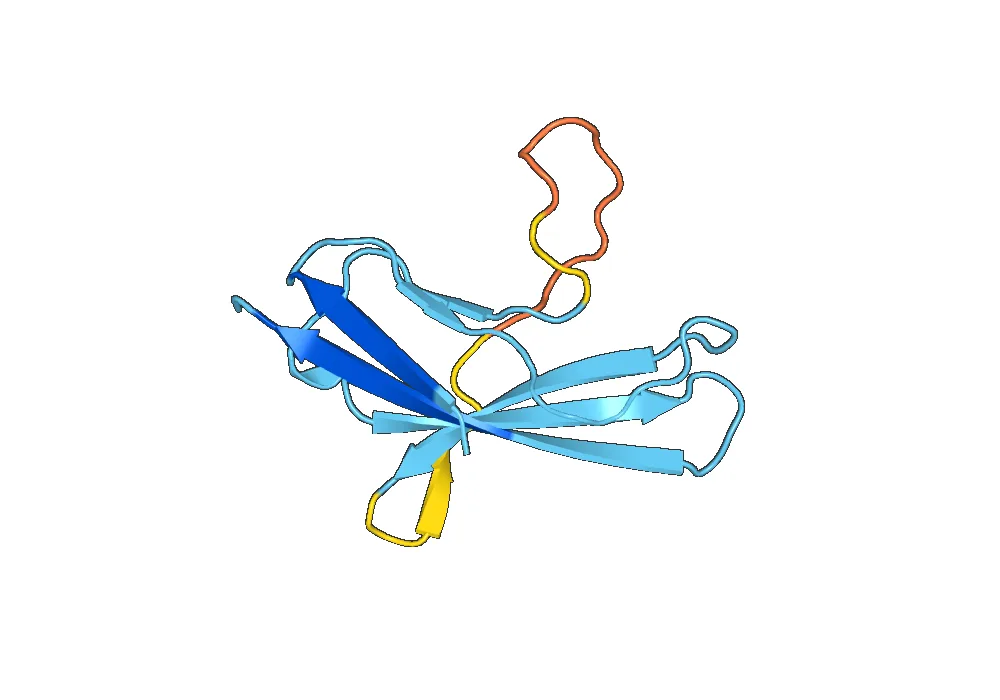
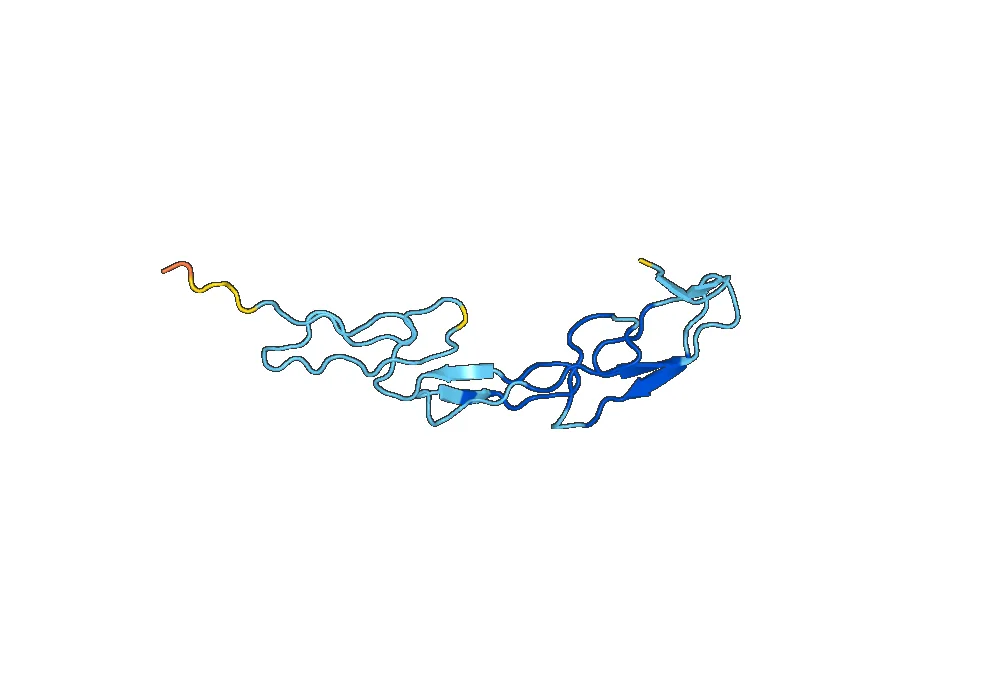
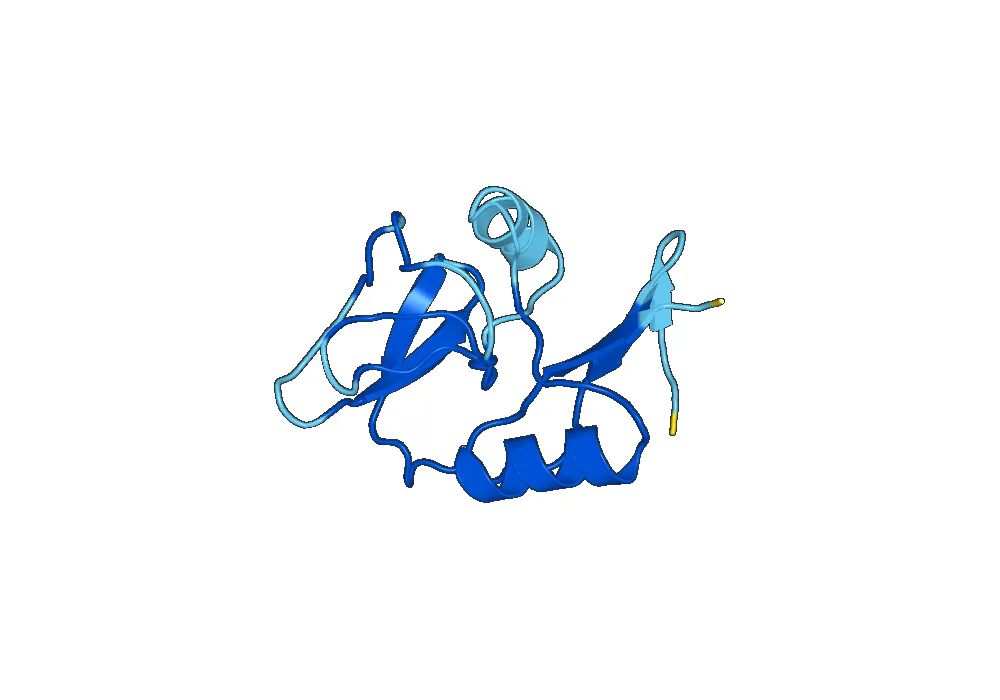
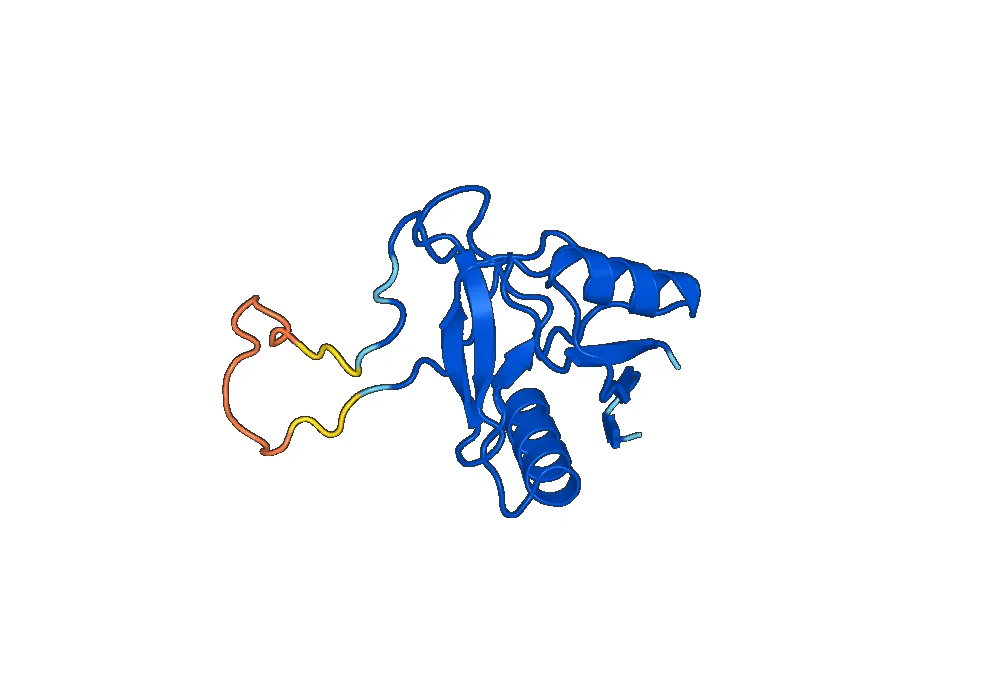
The Recombinant Mouse SELENOP Protein is a glycoprotein that belongs to the selenium-binding protein family. It is encoded by the Selenop gene and is primarily found in the liver, although it is also present in other tissues such as the brain, kidney, and heart. The protein is composed of 361 amino acids and has a molecular weight of approximately 40 kDa.
One of the most distinctive features of the Recombinant Mouse SELENOP Protein is its unique structure, which consists of a single selenocysteine residue at its active site. This selenocysteine residue is essential for the protein’s antioxidant activity and is responsible for its ability to bind and transport selenium, an essential trace element involved in various physiological processes.
Activity of Recombinant Mouse SELENOP Protein
The primary function of the Recombinant Mouse SELENOP Protein is to transport selenium to different tissues and organs in the body. Selenium is an essential micronutrient that plays a crucial role in maintaining proper thyroid function, regulating the immune system, and protecting against oxidative stress. As a result, the Recombinant Mouse SELENOP Protein is involved in various physiological processes, including thyroid hormone metabolism, immune response, and antioxidant defense.
Furthermore, the Recombinant Mouse SELENOP Protein has been shown to have antioxidant activity, which is attributed to its ability to bind and transport selenium. This activity is crucial in protecting cells from oxidative damage caused by free radicals, which are known to contribute to the development of various diseases, including cancer, cardiovascular diseases, and neurodegenerative disorders.
Applications of Recombinant Mouse SELENOP Protein
The unique structure and activity of the Recombinant Mouse SELENOP Protein make it a valuable tool in various research and medical applications. One of its primary uses is in the production of antibodies for diagnostic and therapeutic purposes. The protein can be used as an antigen to produce specific antibodies that can be used to detect the presence of the protein in biological samples.
Moreover, the Recombinant Mouse SELENOP Protein has potential therapeutic applications in the treatment of diseases associated with selenium deficiency, such as Keshan disease and Kashin-Beck disease. These diseases are prevalent in areas with low selenium levels in the soil, and the use of the Recombinant Mouse SELENOP Protein as a supplement has shown promising results in preventing and treating these conditions.
In addition, the Recombinant Mouse SELENOP Protein has been studied for its potential role in cancer prevention and treatment. Its antioxidant activity and ability to regulate immune response make it a promising candidate for cancer therapy. Furthermore, the protein’s role in thyroid hormone metabolism makes it a potential target for the treatment of thyroid diseases.
Conclusion
In conclusion, the Recombinant Mouse SELENOP Protein is a unique protein with a distinctive structure and diverse functions. Its ability to transport selenium and its antioxidant activity make it an essential protein in maintaining various physiological processes. Its applications in research and medicine make it a valuable tool in the fight against diseases associated with selenium deficiency and oxidative stress. Further studies on this protein may reveal more potential applications and contribute to the development of new therapies for various diseases.




There are no reviews yet.