Introduction
Recombinant Human SLC30A7 Protein, also known as Zinc Transporter 7 (ZnT-7), is a member of the SLC30 family of zinc transporters. It is encoded by the SLC30A7 gene and is expressed in various tissues including the liver, pancreas, and brain. This protein plays a crucial role in maintaining zinc homeostasis in the body and has been implicated in several diseases.
Structure of Recombinant Human SLC30A7 Protein
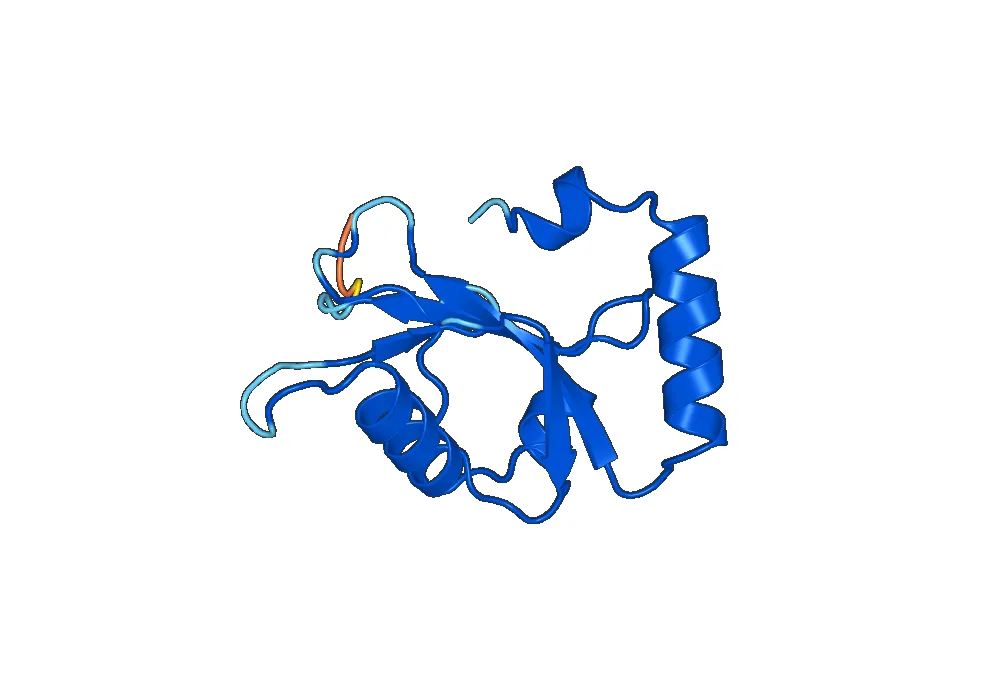
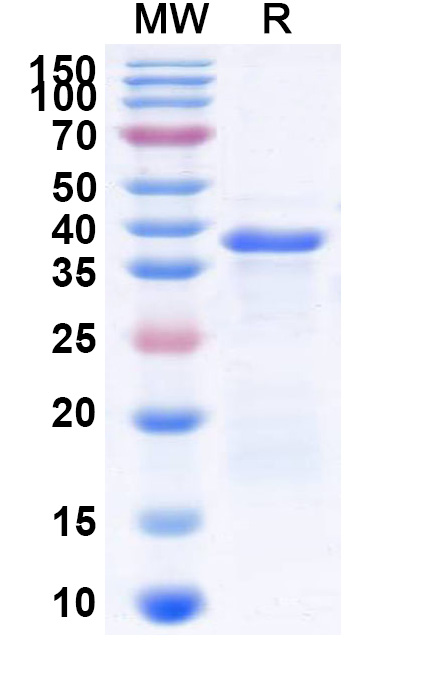
The Recombinant Human SLC30A7 Protein is a transmembrane protein with a molecular weight of approximately 56 kDa. It consists of 12 transmembrane domains and a large cytoplasmic loop between the 5th and 6th domains. The N-terminus of the protein is located in the cytoplasm, while the C-terminus is in the extracellular space.
Activity of Recombinant Human SLC30A7 Protein
The primary function of Recombinant Human SLC30A7 Protein is to facilitate the transport of zinc ions across cellular membranes. It acts as a zinc efflux pump, moving zinc from the cytoplasm to the extracellular space or into intracellular compartments such as the Golgi apparatus and secretory vesicles. This process is essential for maintaining the appropriate levels of zinc in different cellular compartments.
In addition to its role in zinc transport, Recombinant Human SLC30A7 Protein has also been shown to have a protective effect against oxidative stress. It can reduce the levels of reactive oxygen species (ROS) in cells by regulating the activity of zinc-dependent enzymes that are involved in ROS production.
Application of Recombinant Human SLC30A7 Protein
Recombinant Human SLC30A7 Protein has a wide range of applications in both research and clinical settings.
1. Zinc Homeostasis: The primary function of Recombinant Human SLC30A7 Protein is to regulate zinc levels in the body. It has been extensively studied in the context of zinc homeostasis and its role in diseases such as Alzheimer’s, diabetes, and cancer.
2. Molecular Biology: Recombinant Human SLC30A7 Protein is commonly used in molecular biology experiments to study the function and regulation of zinc transporters. It can be used to investigate the effects of mutations or gene expression changes on the activity of the protein.
3. Drug Development: The dysregulation of zinc homeostasis has been linked to several diseases, making Recombinant Human SLC30A7 Protein a potential target for drug development. Researchers are exploring the use of this protein in the development of new therapies for diseases such as diabetes, cancer, and neurodegenerative disorders.
4. Biomarker: Studies have shown that the expression of Recombinant Human SLC30A7 Protein is altered in various diseases, making it a potential biomarker for disease diagnosis and prognosis. Its levels have been found to be elevated in pancreatic cancer and reduced in Alzheimer’s disease, making it a promising candidate for disease detection and monitoring.
5. Vaccine Development: Recombinant Human SLC30A7 Protein has also been investigated as a potential antigen for vaccine development. It has been shown to induce a strong immune response in animal models, making it a promising candidate for the development of vaccines against diseases such as tuberculosis and malaria.
Conclusion
Recombinant Human SLC30A7 Protein is an important protein involved in zinc homeostasis and oxidative stress regulation. Its structure, activity, and applications have been extensively studied, and it has shown potential for use in various fields such as drug development, biomarker discovery, and vaccine development. Further research on this protein is needed to fully understand its role in different diseases and to explore its potential for therapeutic interventions.


There are no reviews yet.