It looks like you are visiting from outside the EU. Switch to the US version to see local pricing in USD and local shipping.

Switch to US ($)

Get 25% off your first bioreagent online order — use code: PROTEOSHOP25

Brand: ProteoGenix

Recombinant Human SERPINH1 Protein, N-His

Host species:
Escherichia coli (E.coli)
Origin species:
Human
Uniprot ID:
P50454
Molecular weight:
45.23 kDa

Original price was: €336.00.Current price is: €275.00.

100ug 18% OFF + 275 loyalty points
Leu36–Leu418
Size
  • In Stock
  • Free shipping in EU on orders > €500
  • Wide range of unique reagents
  • Fast worldwide delivery

Recombinant Human SERPINH1 Protein, N-His

Product name ARO-P12224-100
Uniprot ID P50454
Origin species Human
Expression system Prokaryotic expression
Raw Antigen Sequence LSPKAATLAERSAGLAFSLYQAMAKDQAVENILVSPVVVASSLGLVSLGGKATTASQAKAVLSAEQLRDEEVHAGLGELLRSLSNSTARNVTWKLGSRLYGPSSVSFADDFVRSSKQHYNCEHSKINFRDKRSALQSINEWAAQTTDGKLPEVTKDVERTDGALLVNAMFFKPHWDEKFHHKMVDNRGFMVTRSYTVGVMMMHRTGLYNYYDDEKEKLQIVEMPLAHKLSSLIILMPHHVEPLERLEKLLTKEQLKIWMGKMQKKAVAISLPKGVVEVTHDLQKHLAGLGLTEAIDKNKADLSRMSGKKDLYLASVFHATAFELDTDGNPFDQDIYGREELRSPKLFYADHPFIFLVRDTQSGSLLFIGRLVRPKGDKMRDEL
Molecular weight 45.23 kDa
Buffer Lyophilized from a solution in PBS pH 7.4, 0.02% NLS, 1mM EDTA, 4% Trehalose, 1% Mannitol.
Delivery condition Dry Ice
Delivery lead time in business days 3-5 days if in stock; 3-5 weeks if production needed
Storage condition 4°C for short term (1 week), -20°C or -80°C for long term (avoid freezing/thawing cycles; addition of 20-40% glycerol improves cryoprotection)
Brand ProteoGenix
Host species Escherichia coli (E.coli)
Fragment Type Leu36-Leu418
Aliases /Synonyms Colligin, CBP1, CBP2, SERPINH1, SERPINH2, Rheumatoid arthritis-related antigen RA-A47, Cell proliferation-inducing gene 14 protein, 47 kDa heat shock protein, Serpin H1, AsTP3, HSP47, Collagen-binding protein, Arsenic-transactivated protein 3
Reference ARO-P12224
Note For research use only.
Molecular Constructor
Leu36–Leu418
Product name ARO-P12224-1MG
Uniprot ID P50454
Origin species Human
Expression system Prokaryotic expression
Raw Antigen Sequence LSPKAATLAERSAGLAFSLYQAMAKDQAVENILVSPVVVASSLGLVSLGGKATTASQAKAVLSAEQLRDEEVHAGLGELLRSLSNSTARNVTWKLGSRLYGPSSVSFADDFVRSSKQHYNCEHSKINFRDKRSALQSINEWAAQTTDGKLPEVTKDVERTDGALLVNAMFFKPHWDEKFHHKMVDNRGFMVTRSYTVGVMMMHRTGLYNYYDDEKEKLQIVEMPLAHKLSSLIILMPHHVEPLERLEKLLTKEQLKIWMGKMQKKAVAISLPKGVVEVTHDLQKHLAGLGLTEAIDKNKADLSRMSGKKDLYLASVFHATAFELDTDGNPFDQDIYGREELRSPKLFYADHPFIFLVRDTQSGSLLFIGRLVRPKGDKMRDEL
Molecular weight 45.23 kDa
Buffer Lyophilized from a solution in PBS pH 7.4, 0.02% NLS, 1mM EDTA, 4% Trehalose, 1% Mannitol.
Delivery condition Dry Ice
Delivery lead time in business days 3-5 days if in stock; 3-5 weeks if production needed
Storage condition 4°C for short term (1 week), -20°C or -80°C for long term (avoid freezing/thawing cycles; addition of 20-40% glycerol improves cryoprotection)
Brand ProteoGenix
Host species Escherichia coli (E.coli)
Fragment Type Leu36-Leu418
Aliases /Synonyms Colligin, CBP1, CBP2, SERPINH1, SERPINH2, Rheumatoid arthritis-related antigen RA-A47, Cell proliferation-inducing gene 14 protein, 47 kDa heat shock protein, Serpin H1, AsTP3, HSP47, Collagen-binding protein, Arsenic-transactivated protein 3
Reference ARO-P12224
Note For research use only.
Molecular Constructor
Leu36–Leu418
Product name ARO-P12224-50
Uniprot ID P50454
Origin species Human
Expression system Prokaryotic expression
Raw Antigen Sequence LSPKAATLAERSAGLAFSLYQAMAKDQAVENILVSPVVVASSLGLVSLGGKATTASQAKAVLSAEQLRDEEVHAGLGELLRSLSNSTARNVTWKLGSRLYGPSSVSFADDFVRSSKQHYNCEHSKINFRDKRSALQSINEWAAQTTDGKLPEVTKDVERTDGALLVNAMFFKPHWDEKFHHKMVDNRGFMVTRSYTVGVMMMHRTGLYNYYDDEKEKLQIVEMPLAHKLSSLIILMPHHVEPLERLEKLLTKEQLKIWMGKMQKKAVAISLPKGVVEVTHDLQKHLAGLGLTEAIDKNKADLSRMSGKKDLYLASVFHATAFELDTDGNPFDQDIYGREELRSPKLFYADHPFIFLVRDTQSGSLLFIGRLVRPKGDKMRDEL
Molecular weight 45.23 kDa
Buffer Lyophilized from a solution in PBS pH 7.4, 0.02% NLS, 1mM EDTA, 4% Trehalose, 1% Mannitol.
Delivery condition Dry Ice
Delivery lead time in business days 3-5 days if in stock; 3-5 weeks if production needed
Storage condition 4°C for short term (1 week), -20°C or -80°C for long term (avoid freezing/thawing cycles; addition of 20-40% glycerol improves cryoprotection)
Brand ProteoGenix
Host species Escherichia coli (E.coli)
Fragment Type Leu36-Leu418
Aliases /Synonyms Colligin, CBP1, CBP2, SERPINH1, SERPINH2, Rheumatoid arthritis-related antigen RA-A47, Cell proliferation-inducing gene 14 protein, 47 kDa heat shock protein, Serpin H1, AsTP3, HSP47, Collagen-binding protein, Arsenic-transactivated protein 3
Reference ARO-P12224
Note For research use only.
Molecular Constructor
Leu36–Leu418

Introduction

Recombinant Human SERPINH1 Protein, also known as Serpin H1 or Heat Shock Protein 47 (HSP47), is a member of the serpin superfamily of proteins. This protein is encoded by the SERPINH1 gene and is involved in the regulation of protein folding and assembly. Recombinant Human SERPINH1 Protein is a highly purified form of the protein that is produced through recombinant DNA technology. In this article, we will discuss the structure, activity, and applications of this important protein.

Structure of Recombinant Human SERPINH1 Protein

Recombinant Human SERPINH1 Protein is a glycoprotein with a molecular weight of approximately 47 kDa. It is composed of 417 amino acids and has a highly conserved structure among different species. The protein has a signal peptide at its N-terminus, followed by a proline-rich domain and a C-terminal serpin domain. The serpin domain is responsible for the inhibitory activity of SERPINH1, while the proline-rich domain is involved in protein-protein interactions.

The crystal structure of Recombinant Human SERPINH1 Protein has been determined, revealing a conformational change upon binding to its target proteins. This conformational change is crucial for the chaperone activity of SERPINH1, which will be discussed in the next section.

Activity of Recombinant Human SERPINH1 Protein

Recombinant Human SERPINH1 Protein is primarily known for its chaperone activity, which is the ability to assist in the folding and assembly of other proteins. This activity is essential for the proper functioning of cells, as misfolded or misassembled proteins can lead to cellular dysfunction and disease. SERPINH1 acts as a chaperone by binding to newly synthesized collagen molecules and preventing their aggregation. This allows for the correct folding and assembly of collagen, which is a crucial component of connective tissues in the body.

In addition to its chaperone activity, Recombinant Human SERPINH1 Protein also has a role in the regulation of collagen degradation. It has been shown to interact with enzymes involved in collagen degradation, such as matrix metalloproteinases (MMPs), and inhibit their activity. This helps maintain the balance between collagen synthesis and degradation, which is essential for tissue homeostasis.

Applications of Recombinant Human SERPINH1 Protein

Due to its chaperone activity and involvement in collagen regulation, Recombinant Human SERPINH1 Protein has several potential applications in the field of medicine. One of the most promising applications is in the treatment of fibrotic diseases. Fibrosis is a condition where excessive collagen deposition leads to tissue scarring and dysfunction. As SERPINH1 plays a crucial role in collagen folding and degradation, it is believed that recombinant SERPINH1 protein could be used to prevent or reverse fibrosis in various organs, such as the liver, lungs, and kidneys.

Recombinant Human SERPINH1 Protein also has potential in the field of regenerative medicine. As collagen is a major component of tissue scaffolds, recombinant SERPINH1 could be used to enhance the production and quality of these scaffolds for tissue engineering applications. Additionally, SERPINH1 has been shown to have anti-inflammatory properties, making it a potential therapeutic agent for inflammatory conditions such as arthritis.

Conclusion

In summary, Recombinant Human SERPINH1 Protein is a highly purified form of the chaperone protein SERPINH1. It plays a crucial role in the folding and assembly of collagen and has potential applications in the treatment of fibrotic diseases, regenerative medicine, and inflammatory conditions. Further research on this protein and its mechanisms of action could lead to the development of novel treatments for various diseases and disorders.
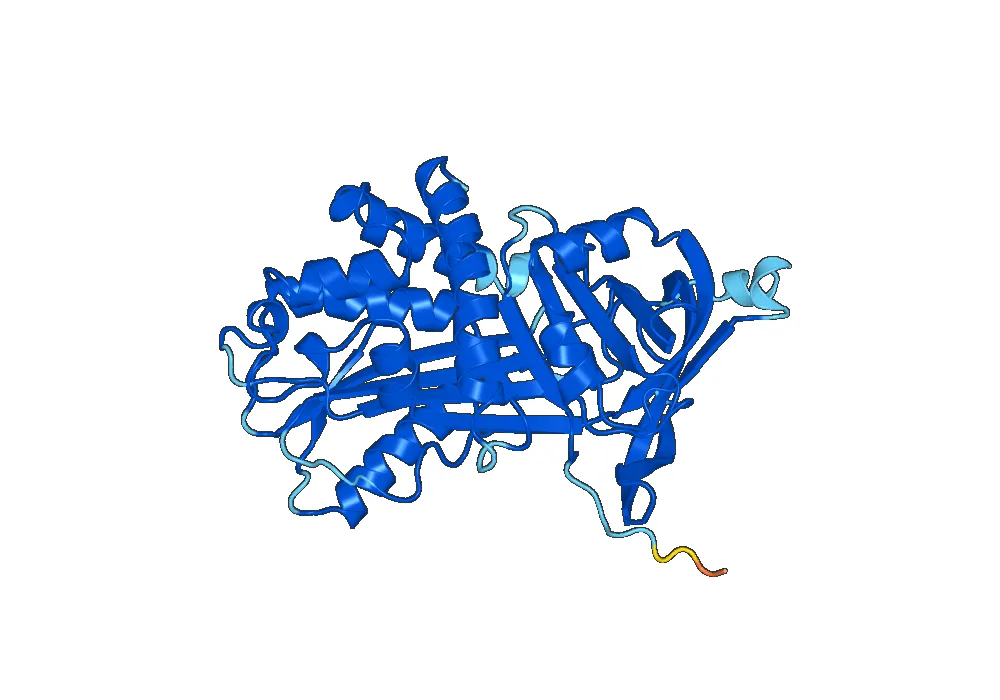

Recombinant Human SERPINH1 Protein, N-His

There are no reviews yet.

Be the first to review “Recombinant Human SERPINH1 Protein, N-His”

Your email address will not be published. Required fields are marked *

Related products

Recently viewed products

Loading recently viewed products…

Can’t find what you need?

Our catalog doesn’t cover everything — but our team does. Whether you need a custom antibody, a specific protein variant, or a bulk order, our scientists are here to help.

Contact Our Team Book a Call

Cart (0 Items)

Your cart is currently empty.

View Products