Introduction
Recombinant Human G6PD Protein (glucose-6-phosphate dehydrogenase) is a key enzyme involved in the pentose phosphate pathway, which plays a crucial role in the production of NADPH (nicotinamide adenine dinucleotide phosphate) and ribose-5-phosphate. This protein is encoded by the G6PD gene and is essential for maintaining cellular redox balance and protecting cells from oxidative stress. In this article, we will discuss the structure, activity, and applications of Recombinant Human G6PD Protein.
Structure of Recombinant Human G6PD Protein
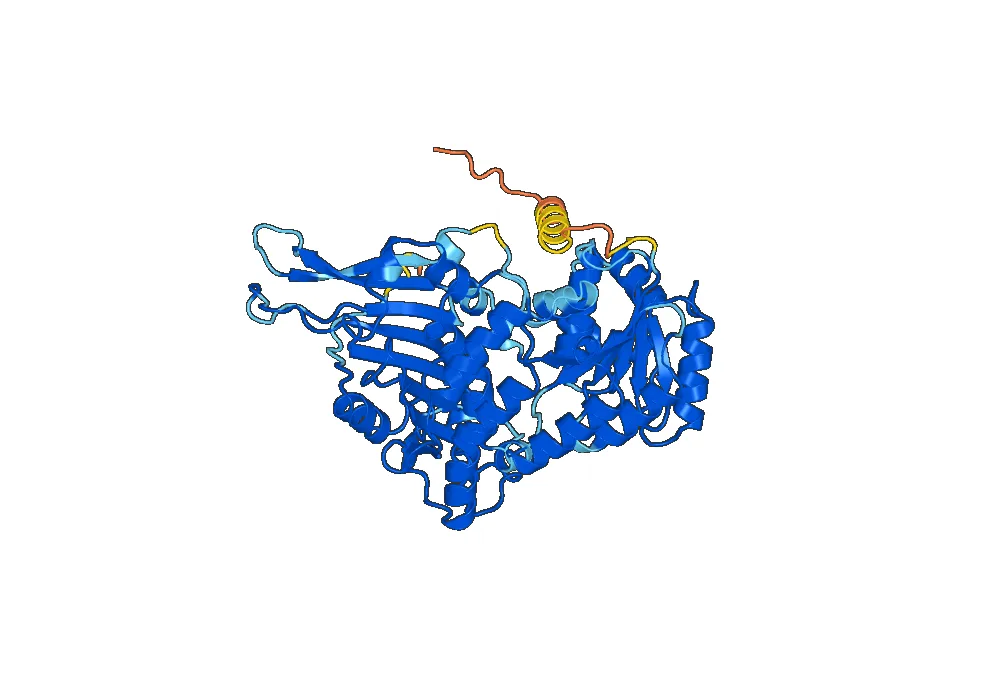
Recombinant Human G6PD Protein is a homodimeric enzyme with a molecular weight of approximately 100 kDa. Each monomer consists of 515 amino acids and is composed of two domains: an N-terminal domain and a C-terminal domain. The N-terminal domain contains a coenzyme binding site, while the C-terminal domain contains the active site where the catalytic reaction takes place.
The crystal structure of Recombinant Human G6PD Protein has been determined, revealing a tetrameric arrangement of two dimers. The tetrameric structure is essential for the enzyme’s stability and activity, as mutations in the dimer interface can lead to enzyme deficiency and various diseases.
Activity of Recombinant Human G6PD Protein
Recombinant Human G6PD Protein catalyzes the first step of the pentose phosphate pathway, which involves the conversion of glucose-6-phosphate to 6-phosphogluconolactone. This reaction produces NADPH, which is a key coenzyme involved in many cellular processes, including fatty acid synthesis and antioxidant defense.
The activity of Recombinant Human G6PD Protein is regulated by various factors, including substrate availability, pH, and the presence of allosteric effectors. Mutations in the G6PD gene can also affect the enzyme’s activity, leading to G6PD deficiency, which is the most common enzyme deficiency in humans.
Applications of Recombinant Human G6PD Protein
Recombinant Human G6PD Protein has various applications in both research and clinical settings. In research, this protein is used to study the structure and function of G6PD and its role in cellular metabolism. It is also used to screen for mutations in the G6PD gene and to investigate the effects of these mutations on enzyme activity.
In the clinical setting, Recombinant Human G6PD Protein is used for diagnostic purposes to detect G6PD deficiency, which can lead to hemolytic anemia and other health complications. This protein is also being studied as a potential therapeutic target for diseases associated with oxidative stress, such as Alzheimer’s disease and diabetes.
Conclusion
Recombinant Human G6PD Protein is a crucial enzyme involved in the pentose phosphate pathway and plays a vital role in maintaining cellular redox balance. Its structure, activity, and applications have been extensively studied, providing a better understanding of its role in cellular metabolism and its potential as a therapeutic target. With ongoing research, Recombinant Human G6PD Protein has the potential to contribute to the development of treatments for various diseases and improve our understanding of cellular processes.


There are no reviews yet.