Introduction
Recombinant Human RPS7 Protein, also known as ribosomal protein S7, is a protein that plays a crucial role in protein synthesis. It is a component of the small subunit of the ribosome, which is responsible for decoding the genetic information and synthesizing proteins. This protein is encoded by the RPS7 gene and is highly conserved across species, indicating its importance in cellular processes.
Structure of Recombinant Human RPS7 Protein
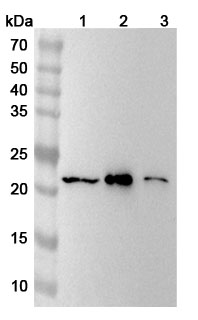
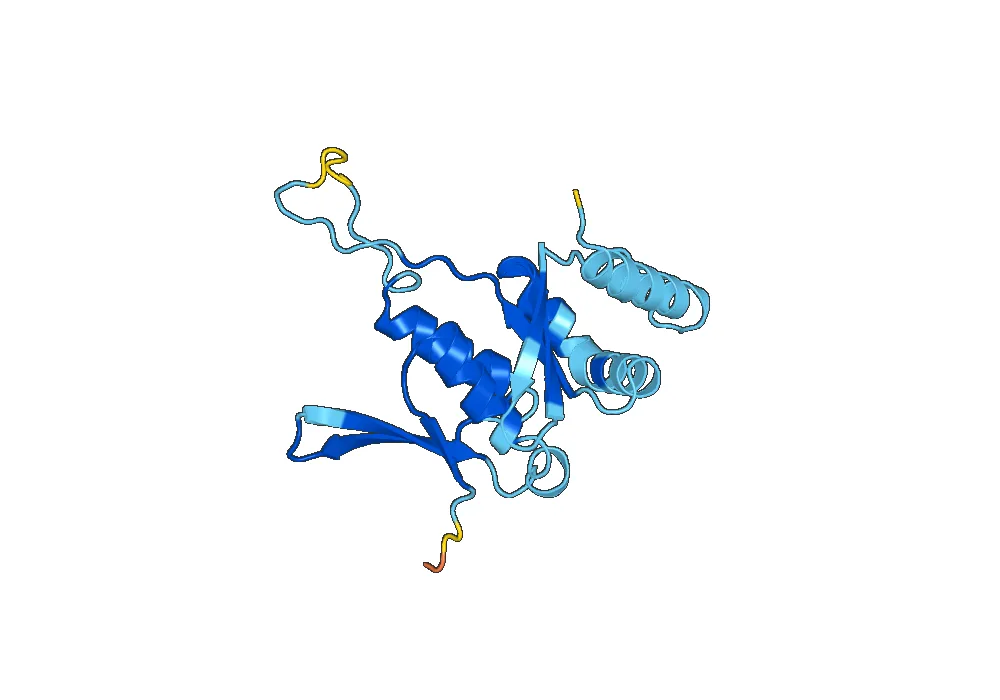
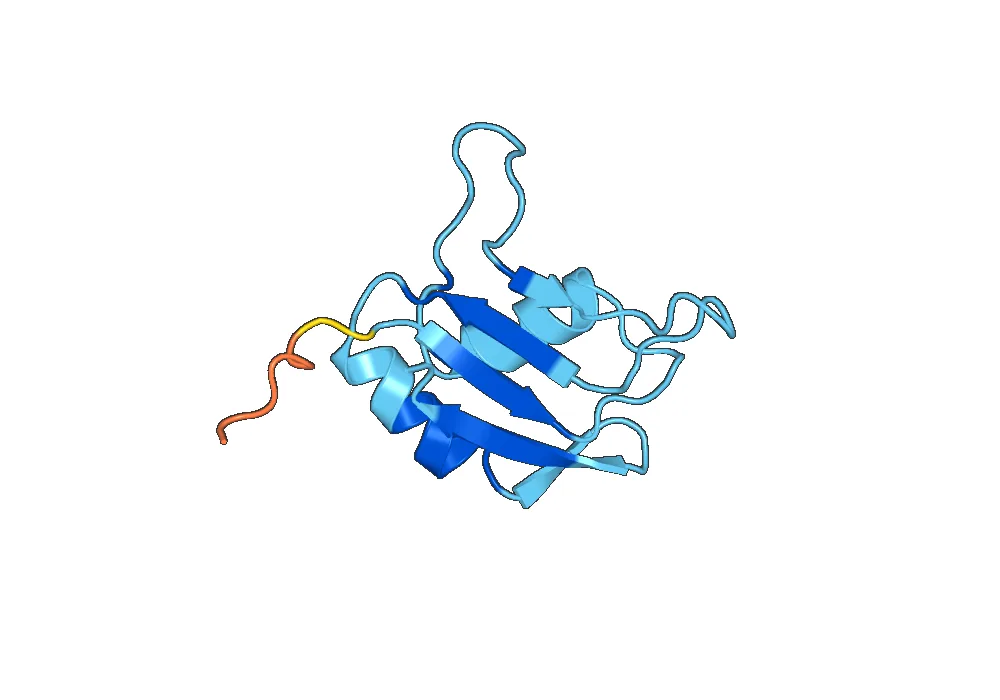
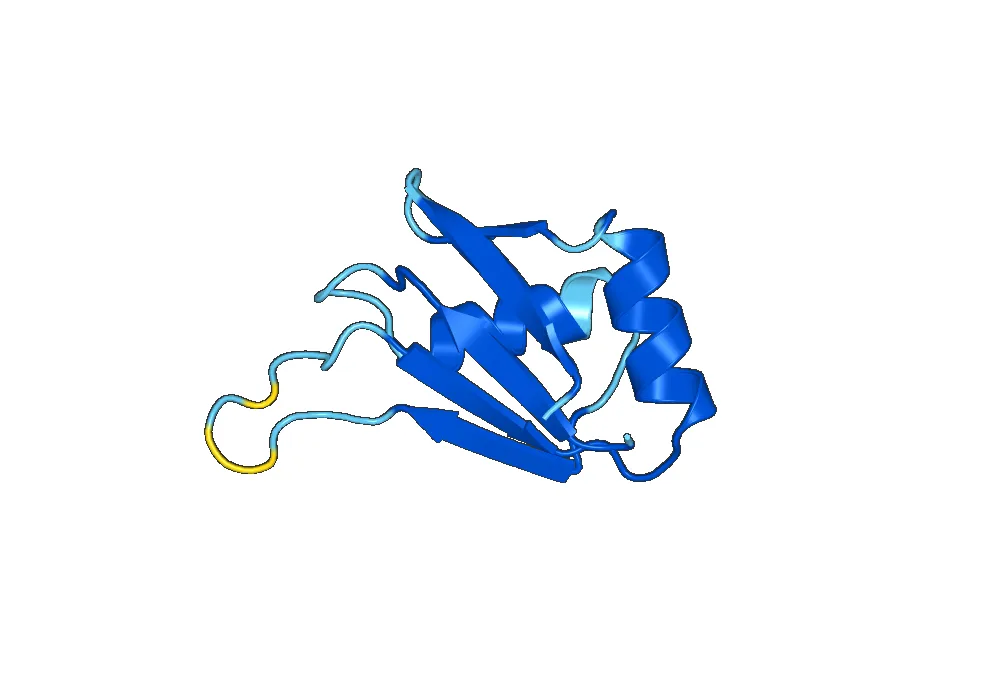
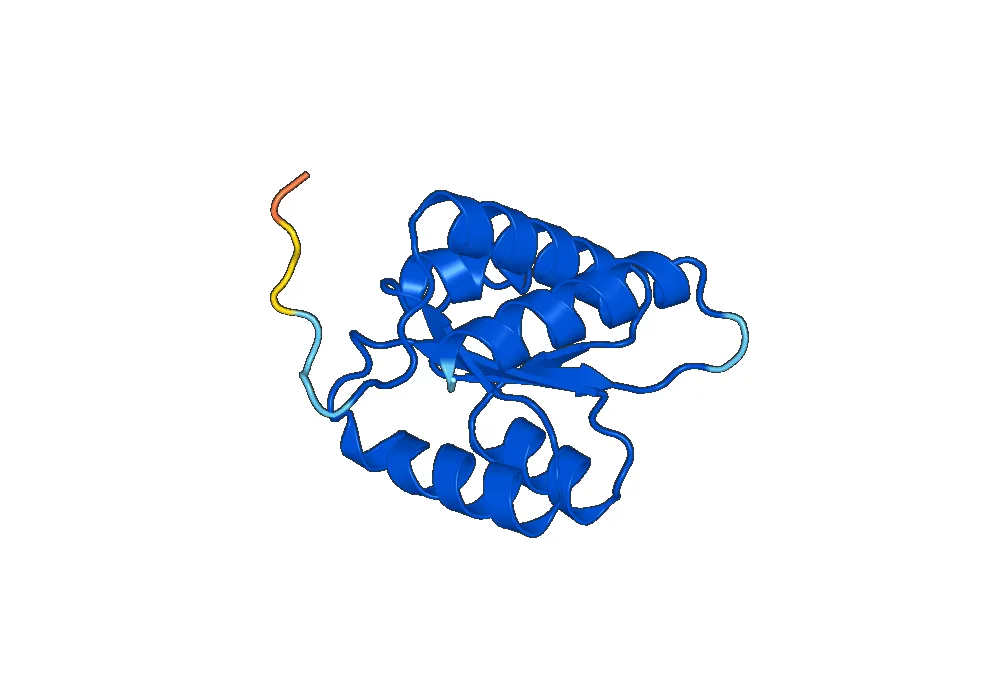
The Recombinant Human RPS7 Protein is a 20 kDa protein composed of 167 amino acids. It has a globular structure with a central beta-sheet surrounded by alpha-helices. This structure is essential for its function as a ribosomal protein, as it allows it to interact with other ribosomal proteins and RNA molecules.
Activity of Recombinant Human RPS7 Protein
The primary function of Recombinant Human RPS7 Protein is to participate in protein synthesis. It binds to the small subunit of the ribosome and helps in the decoding of mRNA during translation. It also interacts with other ribosomal proteins and RNA molecules to ensure the proper assembly and function of the ribosome.
Apart from its role in protein synthesis, Recombinant Human RPS7 Protein has also been found to have other activities. It has been shown to play a role in regulating cell growth and proliferation. It also has anti-apoptotic properties, which means it can prevent cell death. Additionally, it has been linked to the regulation of gene expression and DNA repair.
Application of Recombinant Human RPS7 Protein
Recombinant Human RPS7 Protein has various applications in the field of biotechnology and medicine. One of its significant applications is in the production of recombinant proteins. As a key component of the ribosome, it is essential for the efficient translation of mRNA into proteins. Therefore, adding recombinant RPS7 protein to cell-free protein production systems can enhance protein yield and quality.
Another application of Recombinant Human RPS7 Protein is in vaccine development. It has been identified as a potential antigen in several bacterial and viral infections. For example, it has been shown to be a target of the immune response against Mycobacterium tuberculosis, the causative agent of tuberculosis. Therefore, recombinant RPS7 protein can be used as a diagnostic tool to detect the presence of antibodies against this pathogen in patient samples. It can also be used as a component of a vaccine to induce an immune response against M. tuberculosis.
Furthermore, Recombinant Human RPS7 Protein has been found to be overexpressed in various types of cancer, including breast, lung, and colon cancer. This overexpression has been linked to the proliferation and survival of cancer cells. Therefore, targeting RPS7 protein could be a potential therapeutic strategy for cancer treatment.
Conclusion
In summary, Recombinant Human RPS7 Protein is a crucial component of the ribosome, involved in protein synthesis. Its structure and function make it an essential protein in cellular processes. Its multiple activities, including its role in protein synthesis, cell growth, and gene expression, make it a promising target for various applications in biotechnology and medicine. Its potential as an antigen in vaccine development and as a therapeutic target in cancer treatment makes it a valuable protein for further research and development.


There are no reviews yet.