Recombinant Human EIF4B Protein: Structure, Activity and Applications
Introduction
The human EIF4B protein, also known as eukaryotic translation initiation factor 4B, is a key component of the eukaryotic translation initiation complex. It plays a crucial role in the initiation of protein synthesis by promoting the binding of the ribosome to the mRNA and facilitating the recruitment of the initiator tRNA. The recombinant form of this protein has been extensively studied and has shown promising applications in various fields of research and medicine. In this article, we will discuss the structure, activity and applications of recombinant human EIF4B protein.
Structure of Recombinant Human EIF4B Protein
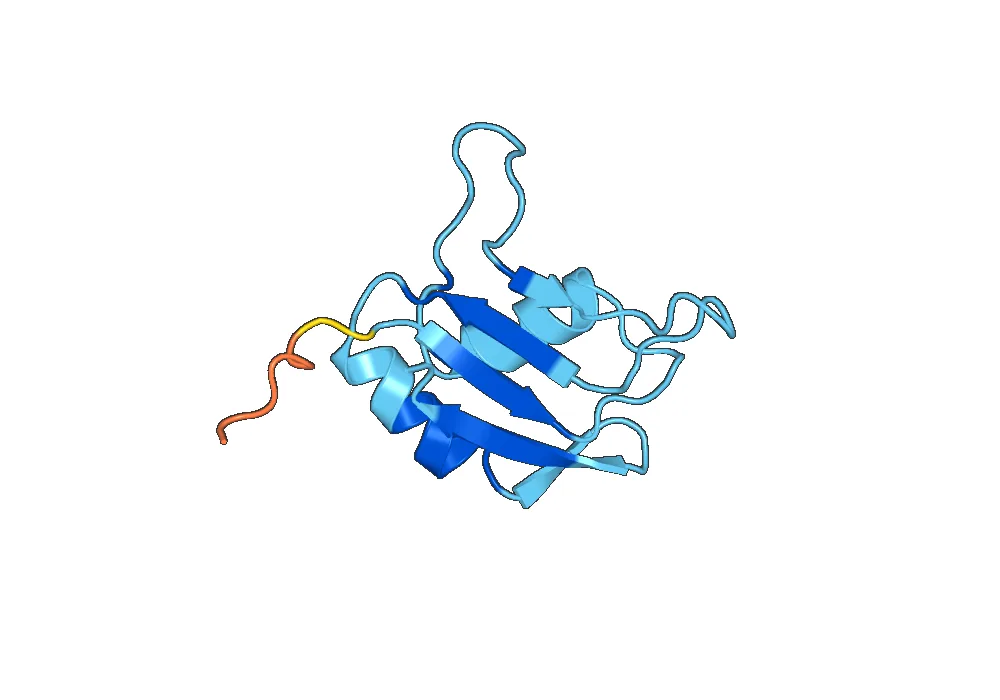
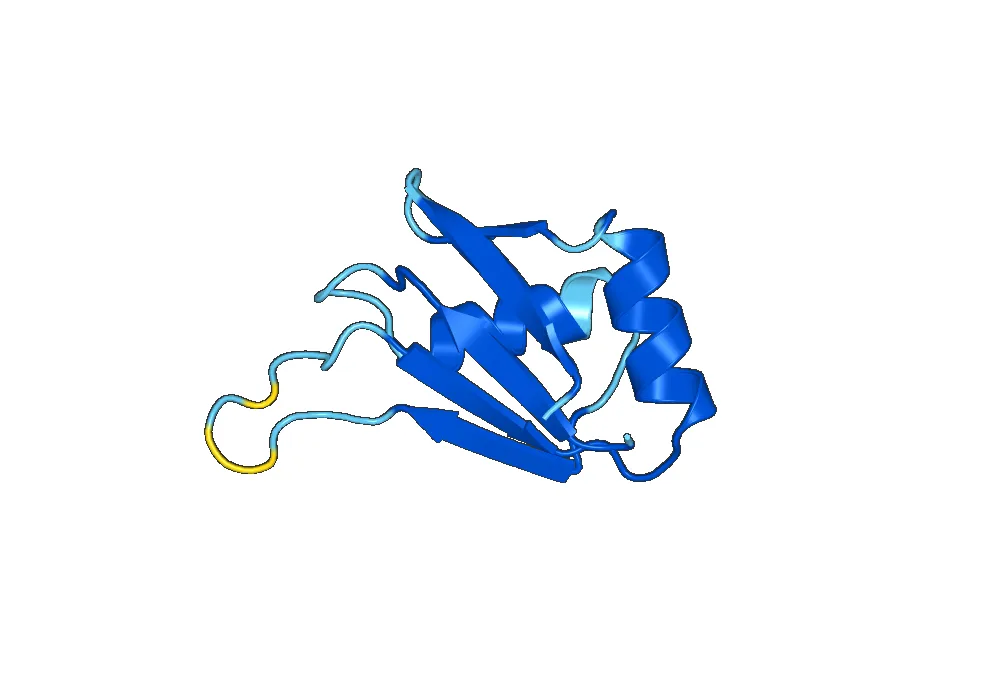
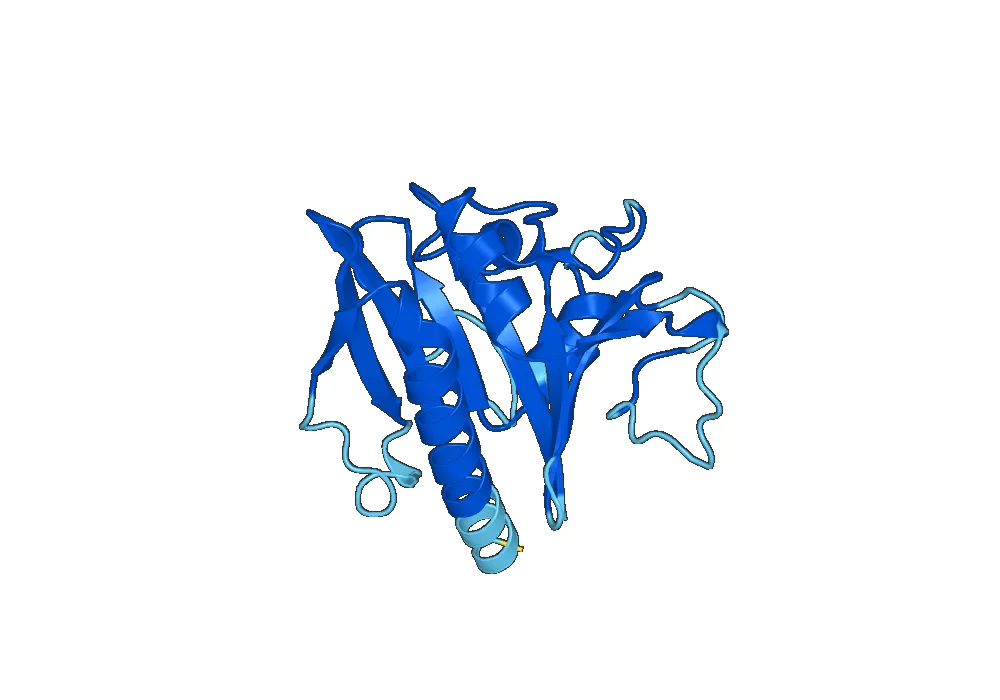
The human EIF4B protein is composed of 620 amino acids and has a molecular weight of approximately 70 kDa. It contains multiple domains, including a central RNA-binding domain, a C-terminal domain, and an N-terminal domain that interacts with other translation initiation factors. The recombinant form of this protein is produced by cloning the cDNA sequence into an expression vector and expressing it in a suitable host system, such as bacteria or mammalian cells. The recombinant protein is then purified using various techniques, such as affinity chromatography, to obtain a highly pure and active form of the protein.
Activity of Recombinant Human EIF4B Protein
The main function of the human EIF4B protein is to promote the assembly of the eukaryotic translation initiation complex and facilitate the recruitment of the ribosome to the mRNA. It does this by binding to the 5′ cap structure of the mRNA and interacting with other translation initiation factors, such as eIF4A and eIF4G. The recombinant form of this protein has been shown to have similar activity as its native counterpart, making it a valuable tool for studying the translation initiation process in vitro.
Moreover, recombinant human EIF4B protein has also been found to have additional functions, such as promoting the translation of specific mRNAs and regulating the activity of other translation factors. This makes it a versatile protein with potential applications in various research areas, including cancer biology, developmental biology, and neurobiology.
Applications of Recombinant Human EIF4B Protein
1. Protein synthesis studies
Recombinant human EIF4B protein has been widely used in in vitro translation assays to study the mechanism of protein synthesis. Its ability to promote the assembly of the translation initiation complex and facilitate the recruitment of the ribosome makes it an essential component in these studies.
2. Cancer research
Aberrant expression and activity of translation initiation factors, including EIF4B, have been linked to various types of cancer. Recombinant human EIF4B protein has been used to study the role of this protein in cancer progression and to develop potential therapeutic strategies targeting its activity.
3. Drug discovery
The translation initiation process is a promising target for drug discovery, and recombinant human EIF4B protein has been used in high-throughput screening assays to identify small molecule inhibitors that can modulate its activity. These inhibitors have shown potential as anti-cancer and anti-viral agents.
4. Vaccine development
Recombinant human EIF4B protein has been used as an antigen in vaccine development for diseases caused by viruses, such as hepatitis C and dengue. Its ability to interact with viral RNA and regulate translation makes it an attractive target for vaccine development.
5. Gene therapy
The recombinant form of human EIF4B protein has also been used in gene therapy approaches to deliver therapeutic genes to cells. Its ability to promote



There are no reviews yet.