Introduction
Recombinant proteins are proteins that are produced through genetic engineering techniques, allowing for the production of large quantities of a specific protein. One such protein is the Recombinant Human ODF2 Protein, which has gained significant attention in the scientific community due to its unique structure, diverse activity, and potential applications in various fields.
Structure of Recombinant Human ODF2 Protein
The ODF2 (Outer Dense Fiber 2) protein is a highly conserved protein found in the sperm tail, where it plays a crucial role in sperm motility and fertilization. The recombinant form of ODF2 protein is produced by inserting the ODF2 gene into a suitable expression vector, which is then introduced into host cells for protein expression. The resulting protein is a 61 kDa polypeptide consisting of 540 amino acids.
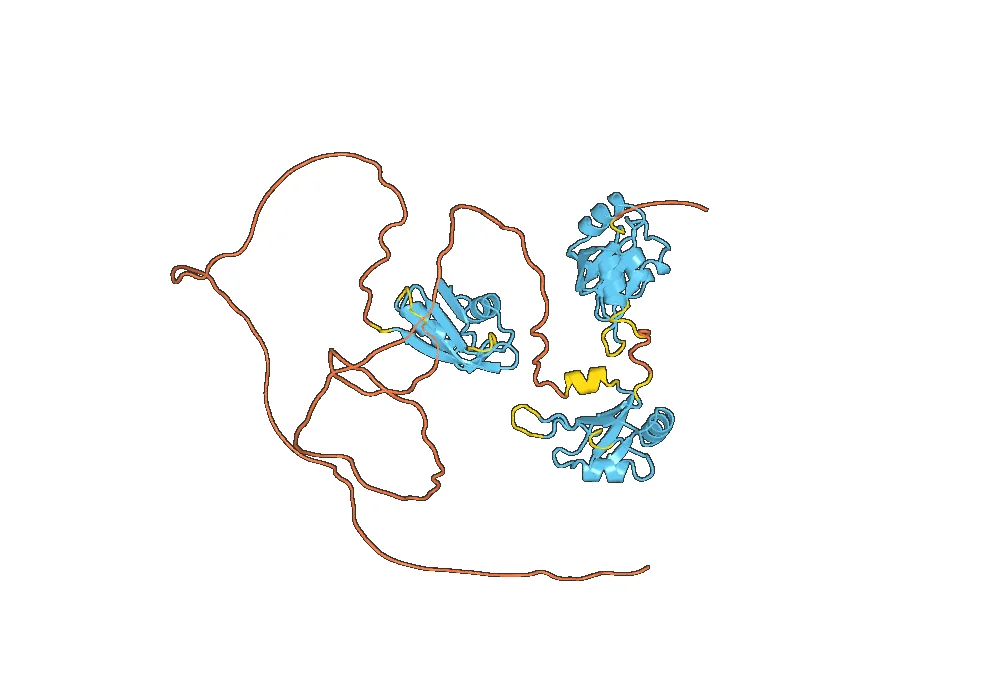
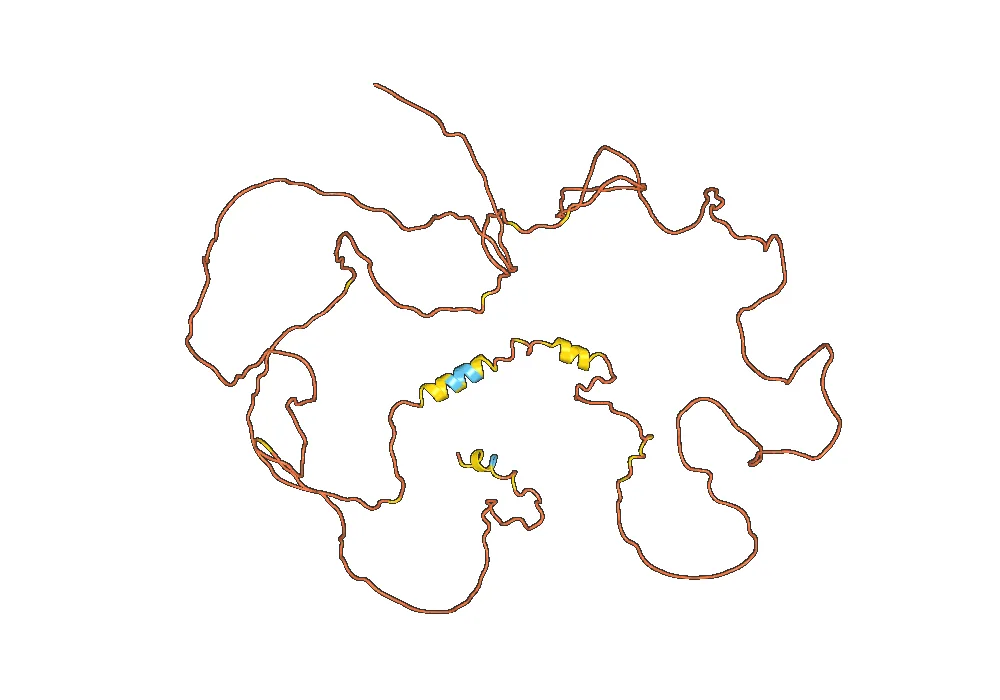
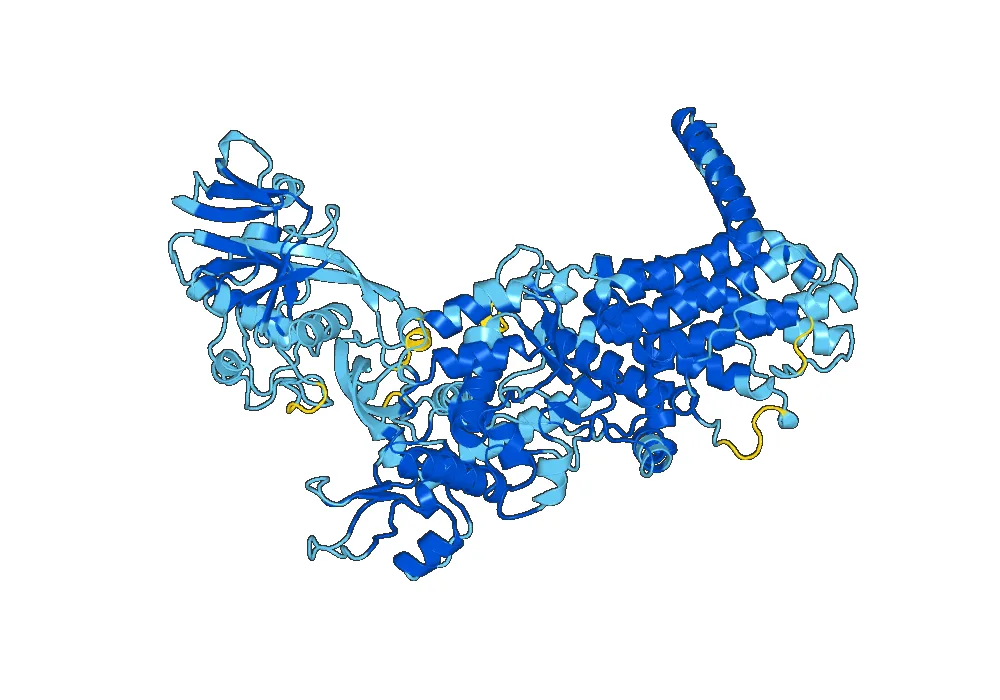
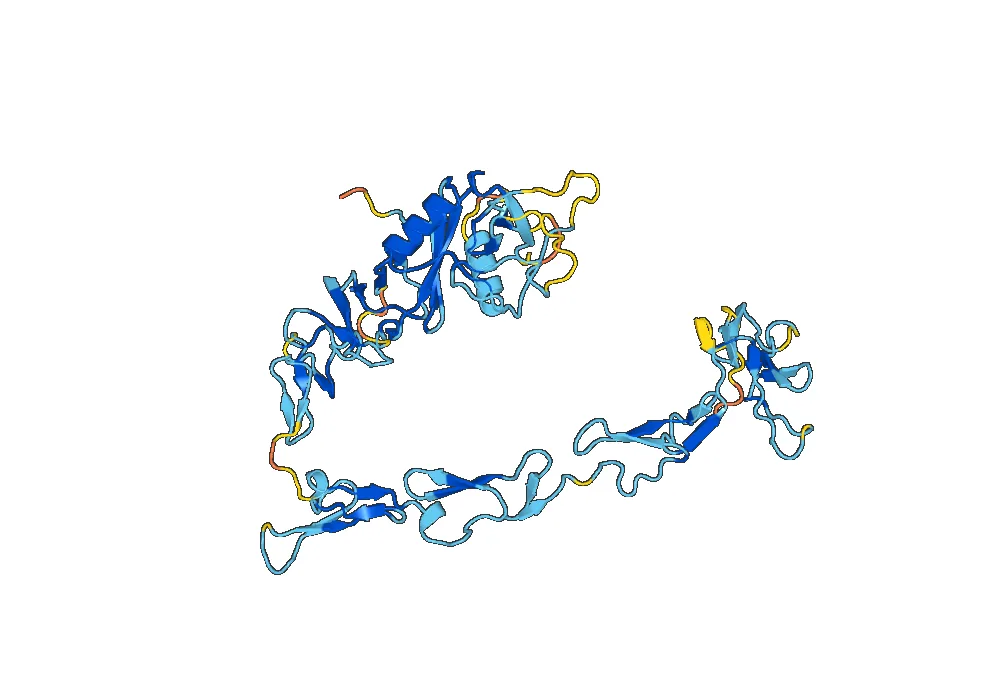
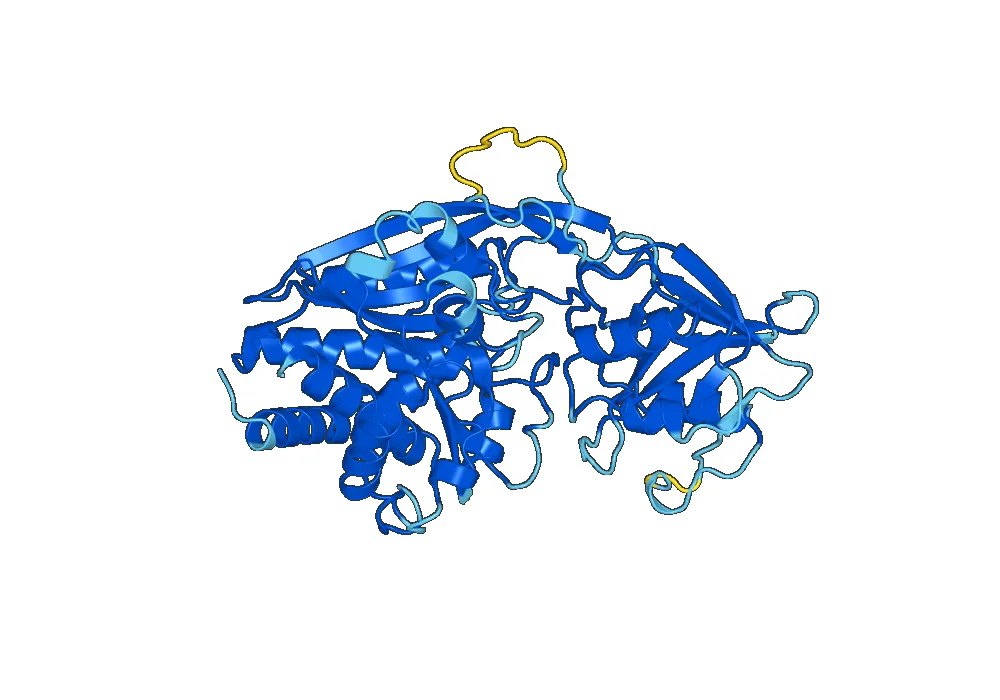
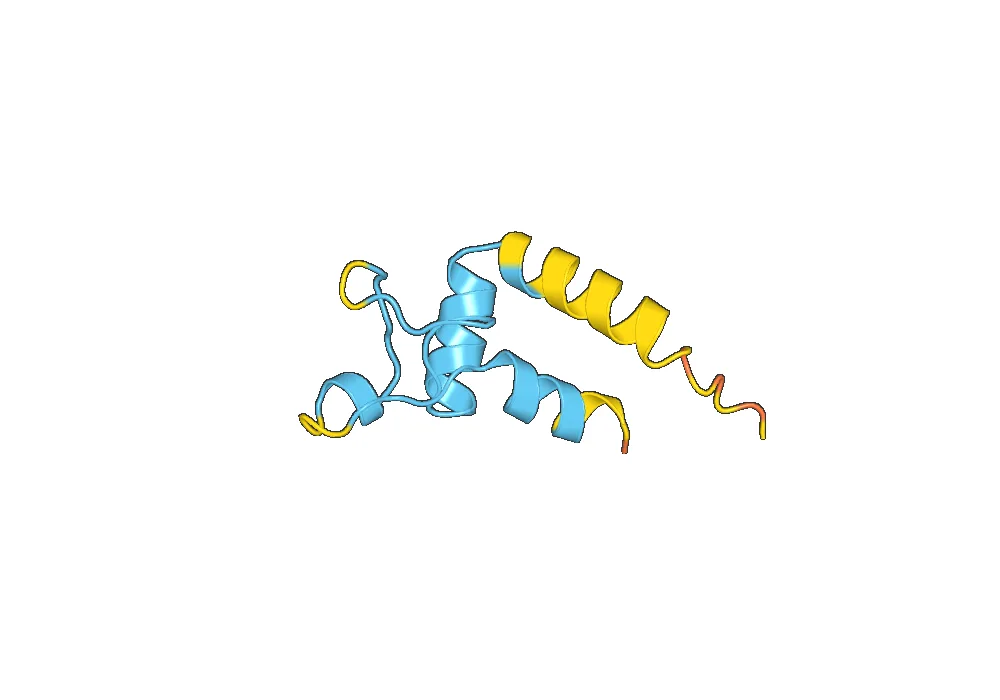
The recombinant ODF2 protein has a unique structure, with a central coiled-coil domain that is responsible for its filamentous nature. This domain is flanked by N-terminal and C-terminal globular domains, which are essential for protein-protein interactions. The protein also contains several phosphorylation sites, which regulate its activity.
Activity of Recombinant Human ODF2 Protein
The ODF2 protein is involved in various cellular processes, including sperm tail formation, sperm motility, and fertilization. It is also known to interact with other proteins, such as ODF1 and ODF3, to form the sperm tail structure. Additionally, ODF2 has been found to play a role in the assembly and organization of the sperm flagellum, which is critical for sperm motility.
Furthermore, ODF2 has been shown to have a role in the regulation of ciliary beating, which is essential for the movement of cilia in various tissues. This protein has also been implicated in the regulation of cell cycle progression and cell division. Its activity is tightly regulated by phosphorylation, which affects its interactions with other proteins and its ability to form filaments.
Application of Recombinant Human ODF2 Protein
Due to its diverse activity and unique structure, the recombinant ODF2 protein has potential applications in various fields, including reproductive biology, biotechnology, and medicine.
In reproductive biology, ODF2 has been identified as a potential target for male contraception, as its disruption can lead to impaired sperm motility and fertility. In addition, ODF2 has been linked to certain genetic disorders, such as primary ciliary dyskinesia, making it a potential diagnostic and therapeutic target.
In biotechnology, recombinant ODF2 protein can be used as an antigen in the production of antibodies for research and diagnostic purposes. It can also be used to study the structure and function of the sperm tail and its role in fertilization.
In medicine, ODF2 has been found to be overexpressed in various types of cancer, making it a potential biomarker for cancer diagnosis and a target for cancer therapy. Additionally, the protein has been linked to other diseases, such as male infertility and respiratory disorders, further highlighting its potential in the medical field.
Conclusion
In summary, the recombinant Human ODF2 protein is a unique and versatile protein with a crucial role in sperm motility, fertilization, and other cellular processes. Its structure, activity, and potential applications make it a valuable tool for research and its potential for therapeutic use in various diseases warrants further investigation.


There are no reviews yet.