Introduction
Recombinant proteins have become an important tool in various fields of research and industry due to their ability to be produced in large quantities with high purity and consistency. One such protein is the Recombinant Human IARS1 Protein, which has gained attention for its unique structure, diverse activities, and potential applications. In this article, we will delve into the details of this protein, including its structure, activity, and application.
Structure of Recombinant Human IARS1 Protein
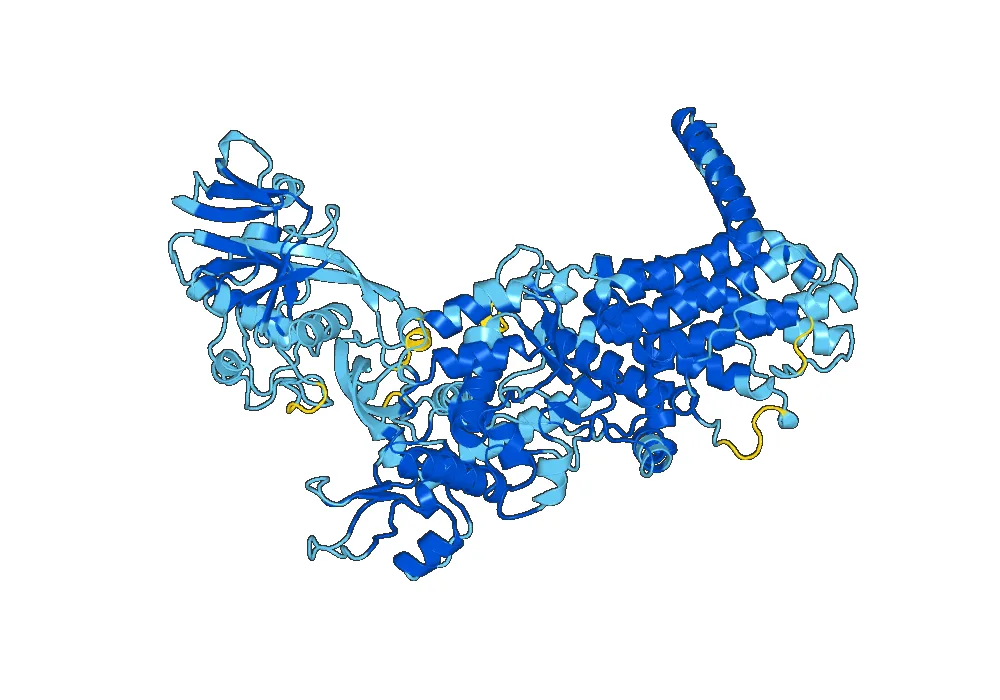
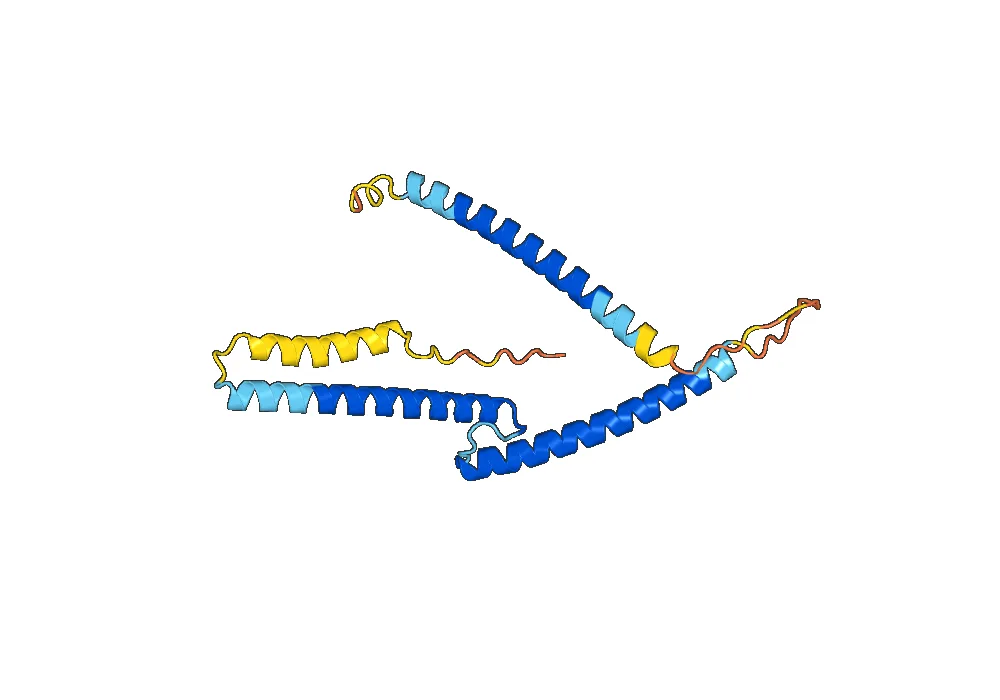
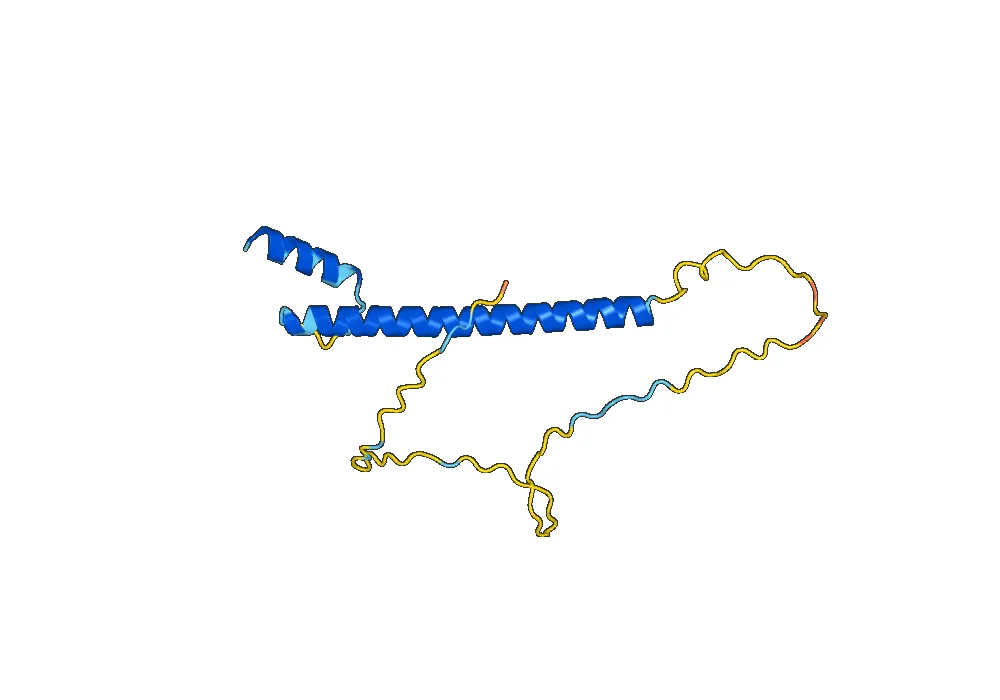
The Recombinant Human IARS1 Protein, also known as Isoleucyl-tRNA synthetase, is a 110 kDa protein composed of 1006 amino acids. It belongs to the class I aminoacyl-tRNA synthetases family and is responsible for catalyzing the attachment of isoleucine to its cognate tRNA during protein synthesis. The protein consists of three domains: the N-terminal catalytic domain, the central anticodon-binding domain, and the C-terminal anticodon-binding domain. The central domain contains the active site for amino acid activation and tRNA binding, while the C-terminal domain is responsible for the recognition of the tRNA anticodon.
Activity of Recombinant Human IARS1 Protein
The primary function of Recombinant Human IARS1 Protein is to ensure the accurate and efficient incorporation of isoleucine into the growing polypeptide chain during protein synthesis. This process is essential for the proper functioning of the cell, as incorrect amino acid incorporation can lead to misfolded or non-functional proteins. In addition to its role in protein synthesis, IARS1 has also been found to have non-canonical functions, such as regulating cell growth, apoptosis, and angiogenesis. It has been shown to interact with various signaling proteins, including p53, PI3K, and Akt, suggesting its involvement in multiple cellular pathways.
Application of Recombinant Human IARS1 Protein
The diverse activities of Recombinant Human IARS1 Protein make it a valuable tool in various research areas. One of its primary applications is in the production of therapeutic proteins. As IARS1 is involved in protein synthesis, recombinant versions of the protein can be used to enhance the production of therapeutic proteins in mammalian cell expression systems. Moreover, its non-canonical functions make it a potential target for drug development in diseases such as cancer and neurodegenerative disorders.
Another application of Recombinant Human IARS1 Protein is in the development of diagnostic assays. The protein is highly conserved among species, making it an ideal antigen for the detection of anti-IARS1 antibodies in autoimmune diseases. It has also been used as a biomarker for various cancers, including breast, lung, and prostate cancers, due to its overexpression in these malignancies.
In addition to its use in research and diagnostics, Recombinant Human IARS1 Protein has also shown potential in the field of biotechnology. Its ability to interact with various signaling proteins makes it a promising candidate for the development of novel biosensors and bioimaging tools. It has also been utilized in the production of biofuels, as IARS1 has been found to enhance the efficiency of ethanol production in yeast.
Conclusion
In conclusion, Recombinant Human IARS1 Protein is a multifunctional protein with a unique structure and diverse activities. Its primary role in protein synthesis, along with its non-canonical functions, makes it a valuable tool in various research areas, including drug development, biotechnology, and diagnostics. With its potential for further exploration and application, this protein holds promise for future advancements in science and technology.



There are no reviews yet.