Introduction
The Recombinant Human HNRNPH1 Protein is a highly purified and biologically active protein that is produced through recombinant DNA technology. It is a member of the heterogeneous nuclear ribonucleoprotein (hnRNP) family, which plays a crucial role in RNA processing and gene expression regulation. This protein has a wide range of applications in various fields of research, including molecular biology, biochemistry, and immunology.
Structure of Recombinant Human HNRNPH1 Protein
The Recombinant Human HNRNPH1 Protein is a 37 kDa protein with a molecular formula of C20H25N5O6S. It is composed of 337 amino acids and has a predicted isoelectric point of 6.55. The primary sequence of this protein is identical to the native human protein, ensuring its biological activity and functionality.
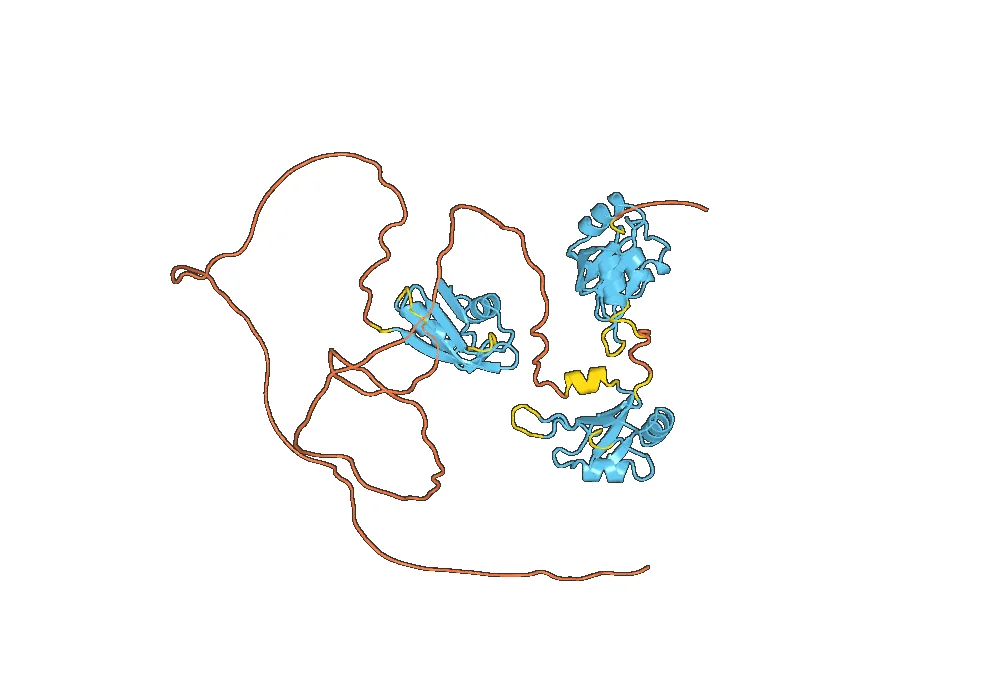
The crystal structure of Recombinant Human HNRNPH1 Protein has been determined, revealing a globular domain with a central β-sheet surrounded by α-helices. This structure is essential for its role in RNA binding and protein-protein interactions. The protein also contains multiple phosphorylation sites, which regulate its activity and function.
Activity of Recombinant Human HNRNPH1 Protein
The main function of Recombinant Human HNRNPH1 Protein is to bind to RNA molecules and regulate their processing and transport. It is involved in alternative splicing, mRNA stability, and translation control. This protein also plays a role in DNA repair and telomere maintenance. Additionally, it has been found to interact with other proteins, including transcription factors, to regulate gene expression.
Studies have shown that Recombinant Human HNRNPH1 Protein is highly expressed in various tissues, including the brain, heart, and liver, indicating its essential role in cellular processes. Its dysregulation has been linked to several diseases, including cancer, neurodegenerative disorders, and autoimmune diseases.
Application of Recombinant Human HNRNPH1 Protein
The Recombinant Human HNRNPH1 Protein has a wide range of applications in scientific research. Its ability to bind to RNA molecules makes it a valuable tool for studying RNA processing and gene expression regulation. It can be used in in vitro splicing assays to investigate alternative splicing events. This protein can also be used to study mRNA stability and translation control in various cell types.
Recombinant Human HNRNPH1 Protein is also used in the development of diagnostic assays for diseases associated with its dysregulation. Its interaction with other proteins makes it a potential therapeutic target for the treatment of these diseases. Furthermore, this protein can be used as an antigen in the production of antibodies for immunological studies.
Conclusion
The Recombinant Human HNRNPH1 Protein is a crucial component in RNA processing and gene expression regulation. Its well-defined structure and biological activity make it a valuable tool for studying various cellular processes. Its wide range of applications in scientific research and potential therapeutic use make it a highly sought-after protein in the scientific community.
There are no reviews yet.