Introduction
Recombinant human MXI1 protein is a key transcriptional regulator that plays a critical role in cell growth, differentiation, and apoptosis. This protein is encoded by the MXI1 gene and belongs to the Myc family of transcription factors. It is a highly conserved protein, with similar sequences found in various species including humans, mice, and rats.
Structure of Recombinant Human MXI1 Protein
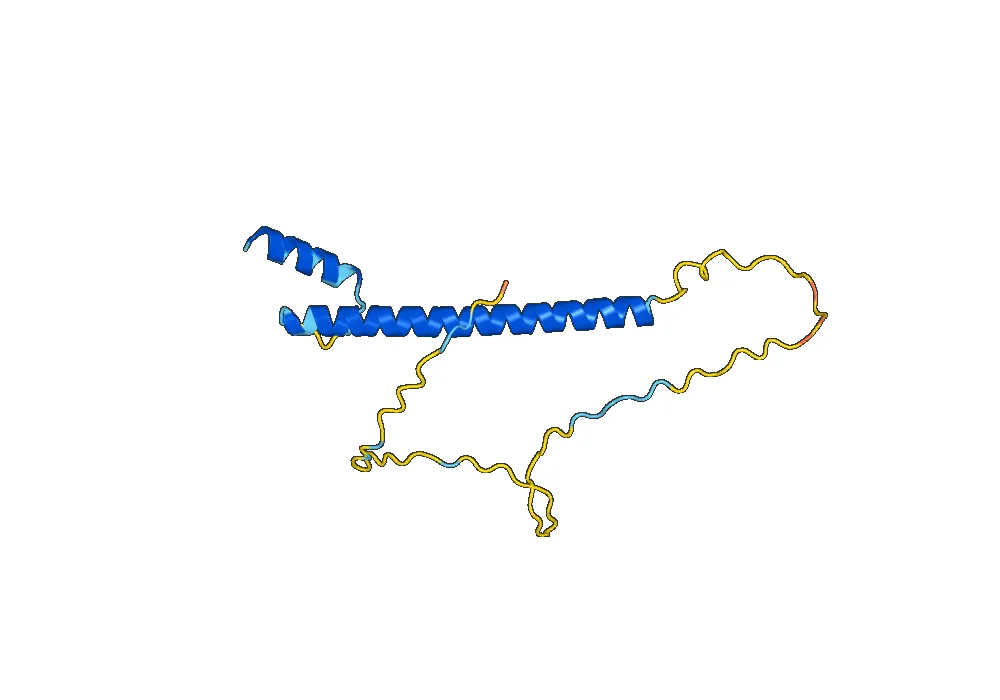
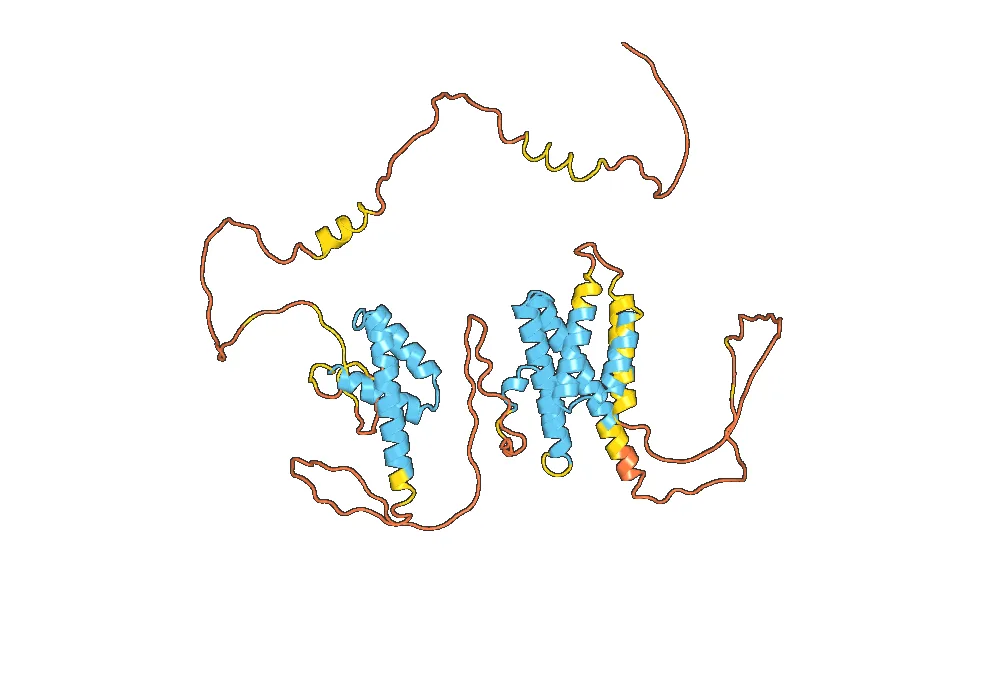
The recombinant human MXI1 protein is a 160-amino acid protein with a molecular weight of approximately 17 kDa. It is composed of two functional domains: the basic helix-loop-helix (bHLH) and the leucine zipper (LZ) motifs. The bHLH domain is responsible for DNA binding, while the LZ domain mediates protein-protein interactions. The bHLH-LZ structure of MXI1 is similar to that of other Myc family members, such as c-Myc and Max.
Activity of Recombinant Human MXI1 Protein
The main function of MXI1 is to regulate gene expression by binding to specific DNA sequences and forming heterodimers with other transcription factors. It acts as a transcriptional repressor by competing with c-Myc for binding to Max, thereby inhibiting the formation of the c-Myc-Max heterodimer. This results in the suppression of c-Myc-mediated transcriptional activation, which is essential for cell proliferation and survival.
In addition to its role in gene regulation, MXI1 also plays a crucial role in apoptosis. It has been shown to induce cell death by activating the caspase cascade and inhibiting the anti-apoptotic protein Bcl-2. This suggests that MXI1 may act as a tumor suppressor by promoting cell death in cancer cells.
Applications of Recombinant Human MXI1 Protein
The unique structure and activity of recombinant human MXI1 protein make it a valuable tool in various research applications. One of its main applications is in studying the regulation of gene expression and its role in cell growth and differentiation. MXI1 has been shown to regulate the expression of many genes involved in cell proliferation, apoptosis, and differentiation, making it a useful tool for understanding these processes.
Another important application of recombinant human MXI1 protein is in cancer research. As a transcriptional repressor of c-Myc, MXI1 has been linked to the development and progression of various cancers, including prostate, breast, and lung cancer. Therefore, studying the activity of MXI1 in cancer cells can provide insights into potential therapeutic targets for these diseases.
Furthermore, recombinant human MXI1 protein has potential diagnostic and prognostic applications in cancer. Its expression has been found to be altered in various cancers, and its levels can be used as a biomarker for disease detection and monitoring. In addition, MXI1 has been shown to have a predictive value in determining the response to certain cancer therapies, making it a potential prognostic marker.
Conclusion
In summary, recombinant human MXI1 protein is a key transcriptional regulator with a crucial role in cell growth, differentiation, and apoptosis. Its unique structure and activity make it a valuable tool for studying gene expression and its role in cancer development and progression. As research on MXI1 continues, it may lead to the development of novel therapeutic strategies for cancer treatment.


There are no reviews yet.