Introduction to Recombinant Human ACSL5
Recombinant Human ACSL5, also known as Acyl-CoA Synthetase Long-Chain Family Member 5, is a protein that plays a crucial role in fatty acid metabolism. It is a member of the acyl-CoA synthetase family, which are enzymes responsible for activating fatty acids for use in various cellular processes. Recombinant Human ACSL5 is a genetically engineered version of the human ACSL5 protein, produced through recombinant DNA technology. This technology allows for the production of large quantities of pure and biologically active proteins for use in research and therapeutic applications.
Structure of Recombinant Human ACSL5
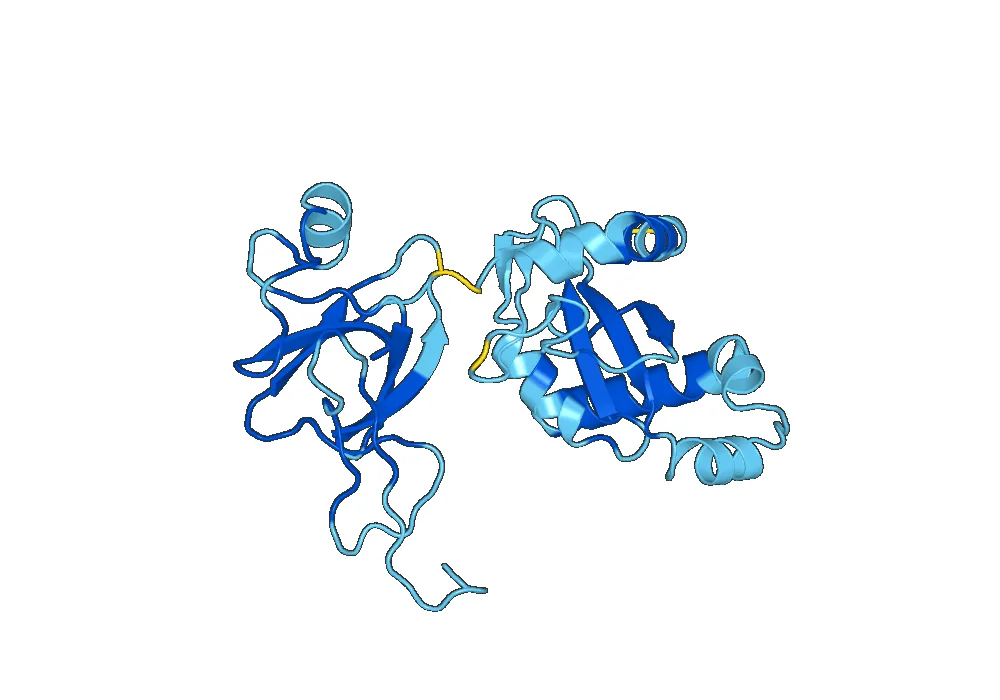
Recombinant Human ACSL5 is a 72 kDa protein consisting of 666 amino acids. It contains a highly conserved ATP-binding domain and a long-chain fatty acid-binding domain, both of which are essential for its enzymatic activity. The protein also has two transmembrane domains, which allow it to be anchored to the endoplasmic reticulum, where it carries out its function. Recombinant Human ACSL5 shares a high degree of sequence similarity with other members of the ACSL family, but it has distinct structural features that make it unique.
Activity of Recombinant Human ACSL5
The primary function of Recombinant Human ACSL5 is to activate long-chain fatty acids by converting them into acyl-CoA, which is the preferred form for cellular utilization. This process, known as fatty acid activation, is essential for various cellular processes such as energy production, lipid synthesis, and membrane formation. Recombinant Human ACSL5 is highly specific for long-chain fatty acids, with a preference for arachidonic acid, docosahexaenoic acid, and palmitic acid. Its activity is regulated by the availability of fatty acids and ATP, as well as post-translational modifications such as phosphorylation.
Applications of Recombinant Human ACSL5
Recombinant Human ACSL5 has numerous applications in both research and therapeutic settings. In research, it is commonly used as a tool to study fatty acid metabolism and its role in various diseases such as obesity, diabetes, and cancer. Recombinant Human ACSL5 is also used to screen for potential inhibitors or activators of the enzyme, which can aid in drug discovery and development.
In therapeutic settings, Recombinant Human ACSL5 has shown potential as a target for the treatment of various diseases. For example, studies have shown that inhibiting the activity of ACSL5 can reduce the growth and metastasis of cancer cells, making it a potential target for cancer therapy. Additionally, mutations in the ACSL5 gene have been linked to various metabolic disorders, and the use of Recombinant Human ACSL5 in gene therapy could potentially correct these mutations and treat the underlying condition.
Conclusion
In summary, Recombinant Human ACSL5 is a crucial enzyme involved in fatty acid metabolism, with a specific role in fatty acid activation. Its unique structure and activity make it an essential tool in research and a potential target for therapeutic interventions. As the understanding of fatty acid metabolism and its role in diseases continues to grow, the importance of Recombinant Human ACSL5 and its applications will only increase.


There are no reviews yet.