Introduction to Recombinant Human KCNA3 Protein:
Recombinant proteins are proteins that are produced through genetic engineering techniques, where the DNA sequence of a desired protein is inserted into an expression system, such as bacteria or yeast, to produce large quantities of the protein. Recombinant proteins have become essential tools in various fields of science, including biotechnology, medicine, and research.
One such recombinant protein is the Recombinant Human KCNA3 Protein, also known as the voltage-gated potassium channel subunit Kv1.3. This protein belongs to the Kv1 family of voltage-gated potassium channels and plays a crucial role in regulating the electrical activity of cells.
Structure of Recombinant Human KCNA3 Protein:
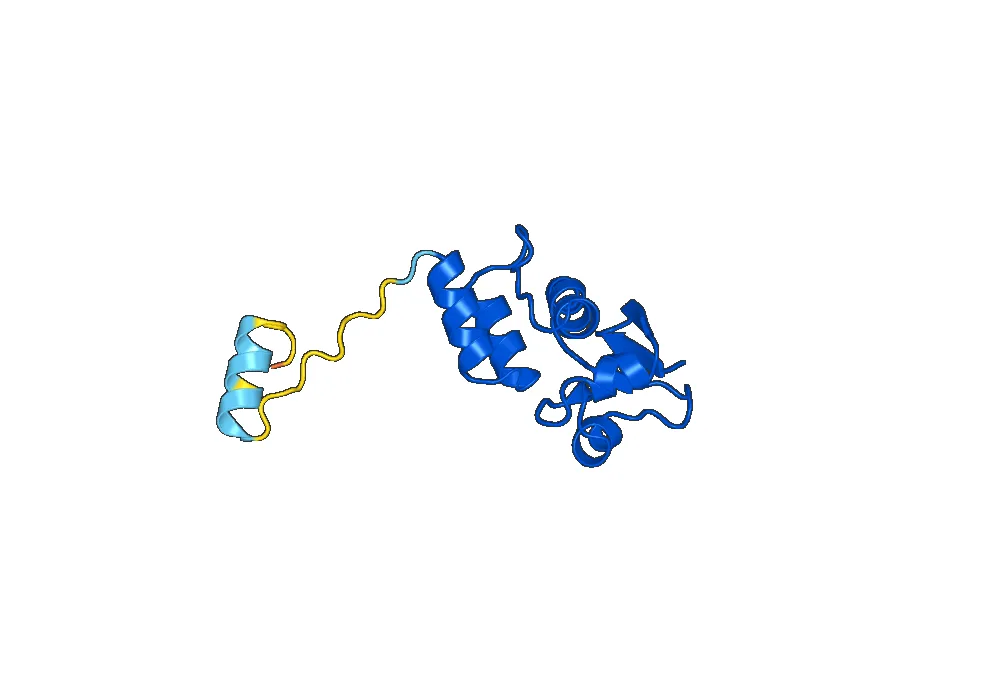
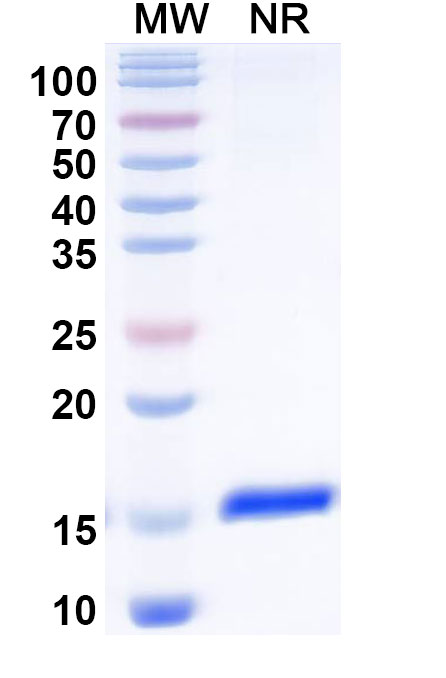
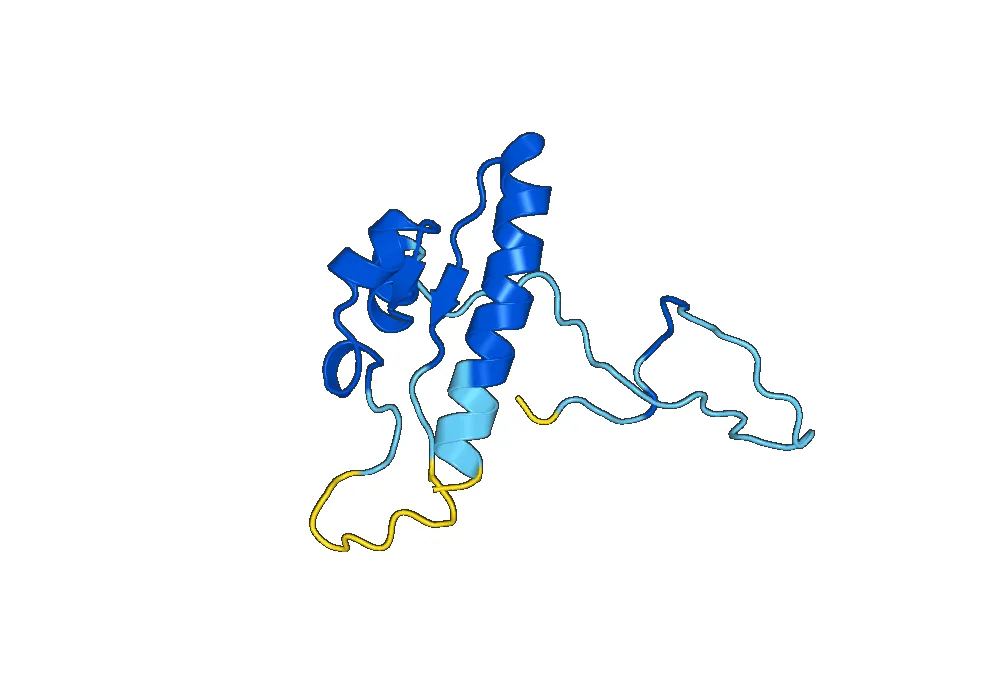
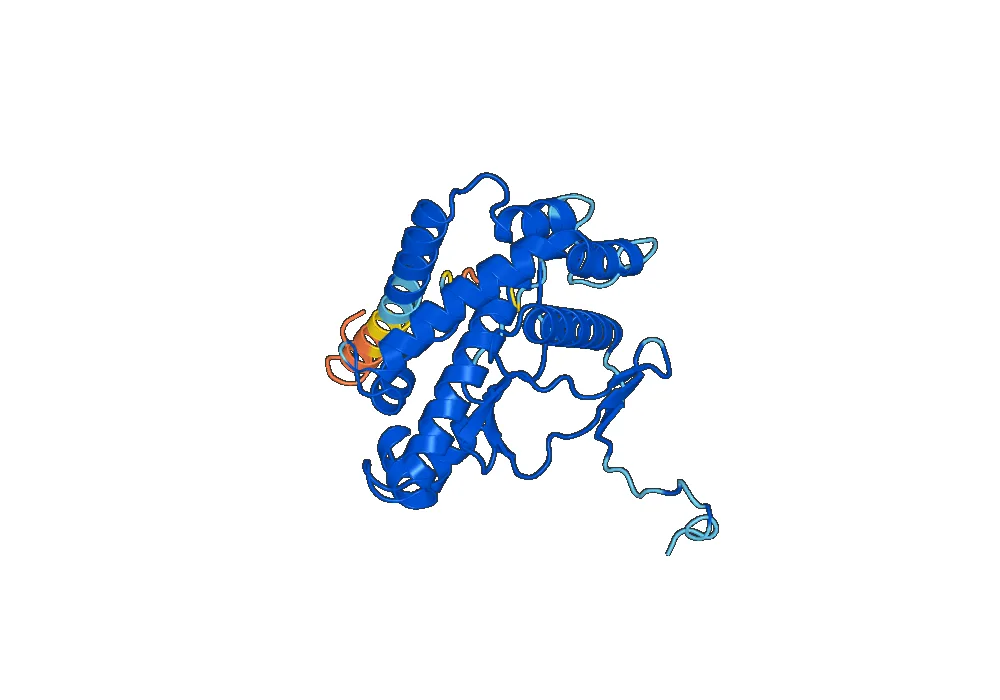
The Recombinant Human KCNA3 Protein is a transmembrane protein that consists of six membrane-spanning segments, with the N- and C-termini located on the intracellular side. The protein is composed of 501 amino acids and has a molecular weight of 57 kDa. It is encoded by the KCNA3 gene, located on chromosome 1 in humans.
Activity of Recombinant Human KCNA3 Protein:
The primary function of the Recombinant Human KCNA3 Protein is to act as a voltage-gated potassium channel, which means it allows the flow of potassium ions across the cell membrane in response to changes in membrane potential. This activity is essential for maintaining the resting membrane potential and regulating the excitability of cells, particularly in the nervous system.
The Recombinant Human KCNA3 Protein is predominantly expressed in T-lymphocytes and plays a crucial role in their activation and proliferation. It is also found in other cell types, such as neurons, where it regulates the firing of action potentials. Additionally, this protein is involved in various physiological processes, including muscle contraction, hormone secretion, and cell growth.
Application of Recombinant Human KCNA3 Protein:
The Recombinant Human KCNA3 Protein has several applications in different fields of science. One of the major applications is in drug discovery and development. The Kv1.3 channel has been identified as a potential target for various diseases, including autoimmune disorders, cancer, and neurological disorders. Recombinant Human KCNA3 Protein can be used to screen and develop new drugs that can modulate the activity of this channel, thereby treating these diseases.
Another application of this protein is in immunology research. The Kv1.3 channel is highly expressed in T-lymphocytes, making it an attractive target for studying the immune response. Recombinant Human KCNA3 Protein can be used to study the role of this channel in T-cell activation, proliferation, and differentiation, which can provide valuable insights into the immune system and its dysregulation in various diseases.
Furthermore, the Recombinant Human KCNA3 Protein has potential applications in neuroscience research. It is involved in regulating the electrical activity of neurons, making it a crucial player in neuronal excitability and synaptic transmission. Recombinant Human KCNA3 Protein can be used to study the role of this channel in various neurological disorders, such as epilepsy and multiple sclerosis.
Conclusion:
In conclusion, the Recombinant Human KCNA3 Protein is a vital component of the Kv1 family of voltage-gated potassium channels. It plays a crucial role in regulating the electrical activity of cells and is involved in various physiological processes. This protein has numerous applications in drug discovery, immunology, and neuroscience research, making it a valuable tool in the scientific community. Further studies on this protein may lead to the development of new treatments for various diseases and provide a better understanding of its role in cellular function.

There are no reviews yet.