Introduction
Recombinant Human PLK3 Protein, also known as Polo-like kinase 3, is a protein that plays a crucial role in cell cycle regulation and cell proliferation. It is a member of the Polo-like kinase family, which consists of five serine/threonine protein kinases involved in various cellular processes such as mitosis, cytokinesis, and DNA damage response. PLK3 is a key regulator of the G2/M transition and has been implicated in the development and progression of various cancers. In this article, we will delve into the structure, activity, and applications of recombinant human PLK3 protein.
Structure of Recombinant Human PLK3 Protein
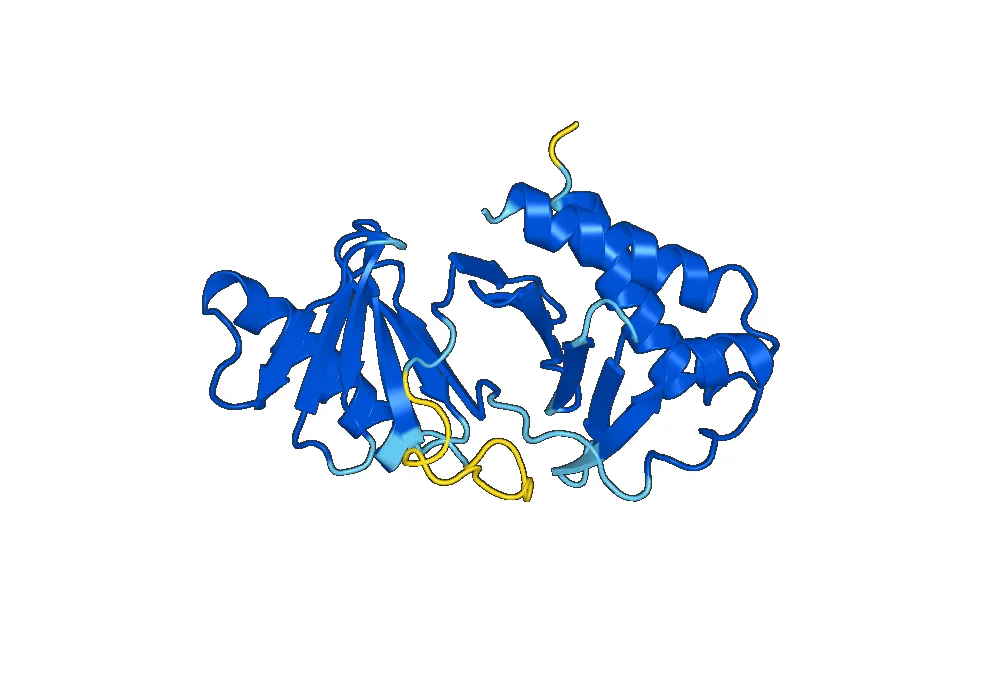
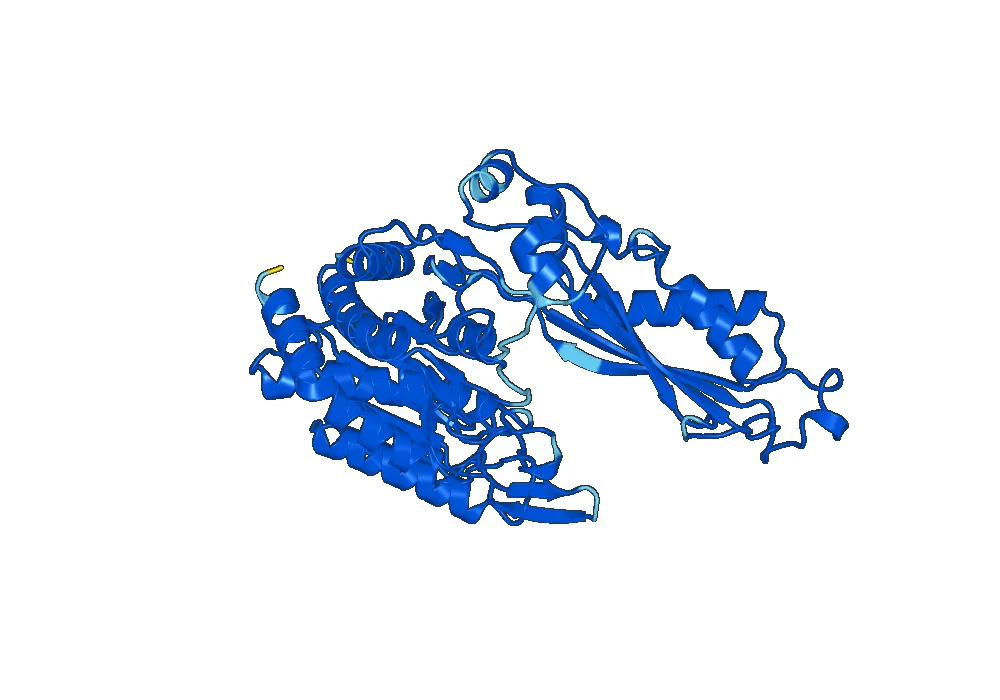
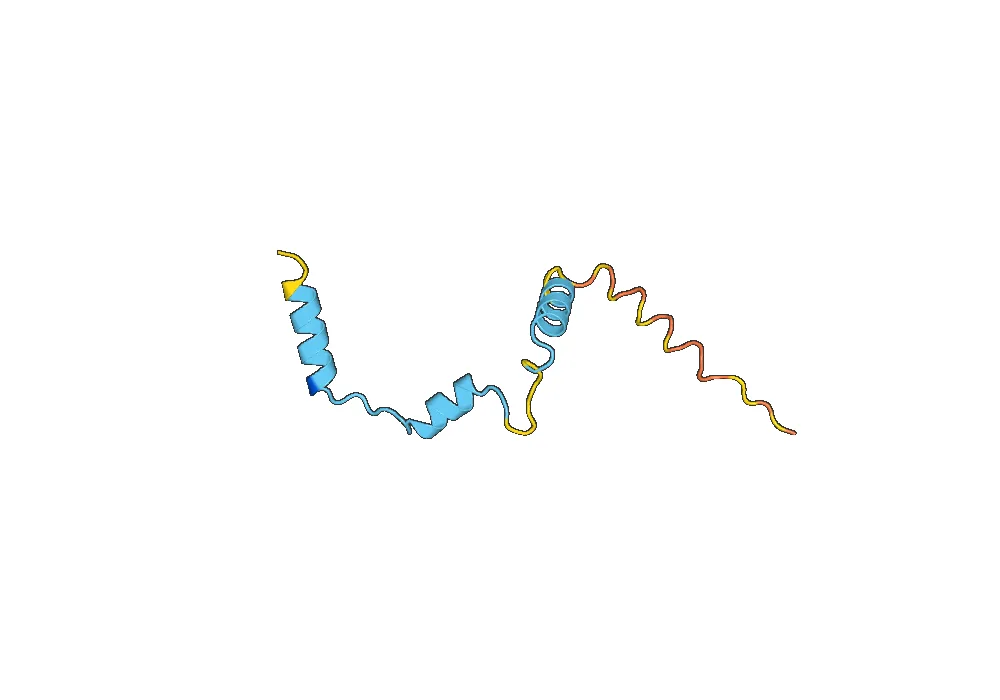
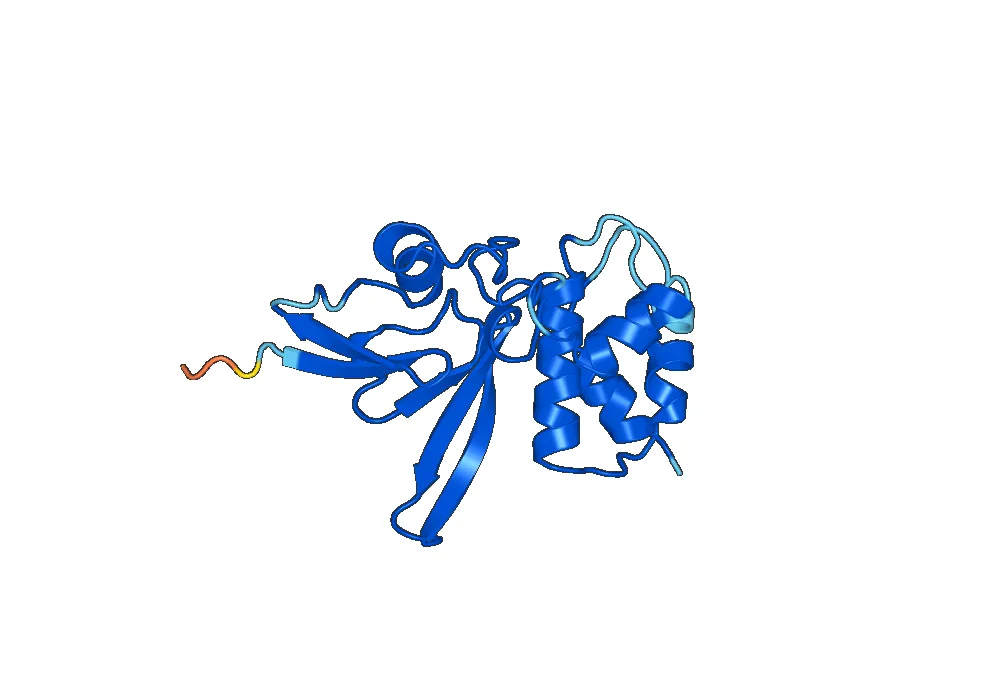
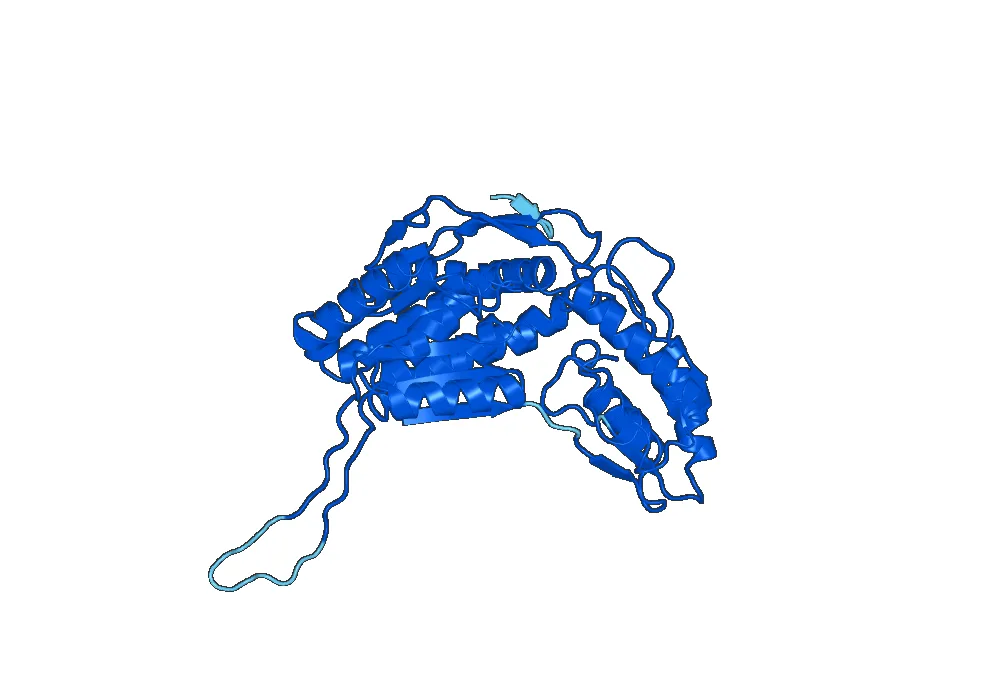
The PLK3 gene is located on chromosome 1 and encodes a 646 amino acid protein with a molecular weight of approximately 73 kDa. The protein contains an N-terminal kinase domain, a C-terminal polo-box domain, and a central regulatory domain. The kinase domain is responsible for the catalytic activity of PLK3, while the polo-box domain is involved in protein-protein interactions and substrate recognition. The central regulatory domain contains multiple phosphorylation sites that regulate the activity of PLK3.
Activity of Recombinant Human PLK3 Protein
PLK3 is a serine/threonine protein kinase that phosphorylates target proteins on serine or threonine residues. It is activated during the G2/M transition of the cell cycle and plays a critical role in the regulation of mitosis. PLK3 is involved in the phosphorylation of various substrates, including CDC25C, which is a key regulator of the G2/M checkpoint. By phosphorylating CDC25C, PLK3 prevents premature entry into mitosis and ensures proper cell cycle progression.
In addition to its role in cell cycle regulation, PLK3 is also involved in the DNA damage response. It is activated in response to DNA damage and phosphorylates several proteins involved in DNA repair, such as BRCA1 and RAD51. This activity of PLK3 helps maintain genomic stability and prevents the accumulation of DNA damage.
Applications of Recombinant Human PLK3 Protein
Recombinant human PLK3 protein has various applications in both research and medicine. One of the primary uses of PLK3 is in cancer research. PLK3 is overexpressed in several types of cancer, including breast, lung, and colon cancer. Its overexpression has been linked to tumor growth and progression, making it a potential therapeutic target. Recombinant human PLK3 protein can be used to study the role of PLK3 in cancer and to develop inhibitors that can block its activity and potentially inhibit tumor growth.
Another application of recombinant human PLK3 protein is in drug discovery. PLK3 inhibitors have been shown to sensitize cancer cells to chemotherapy, making them potential adjuvant therapies. Recombinant human PLK3 protein can be used to screen for potential inhibitors and to study their mechanism of action.
Furthermore, PLK3 has been implicated in various other diseases, such as Alzheimer’s disease and viral infections. Recombinant human PLK3 protein can be used to study its role in these diseases and to develop potential treatments.
Conclusion
In summary, recombinant human PLK3 protein is a critical player in cell cycle regulation and the DNA damage response. Its structure, activity, and applications make it a valuable tool in both research and medicine. As our understanding of PLK3 continues to grow, so does its potential as a therapeutic target for various diseases. With the development of recombinant human PLK3 protein, we are one step closer to unlocking its full potential.

There are no reviews yet.