Introduction
Recombinant Human MKNK2 Protein, also known as MAP kinase-interacting serine/threonine-protein kinase 2, is a protein that plays an important role in the regulation of cell growth, proliferation, and survival. It is a member of the serine/threonine protein kinase family and is involved in the mitogen-activated protein kinase (MAPK) signaling pathway. In this article, we will discuss the structure, activity, and application of Recombinant Human MKNK2 Protein.
Structure of Recombinant Human MKNK2 Protein
Recombinant Human MKNK2 Protein is a 43 kDa protein with a total of 370 amino acids. It has a conserved catalytic domain that is responsible for its kinase activity. The protein also contains a regulatory domain that is important for its interaction with other proteins in the MAPK signaling pathway.
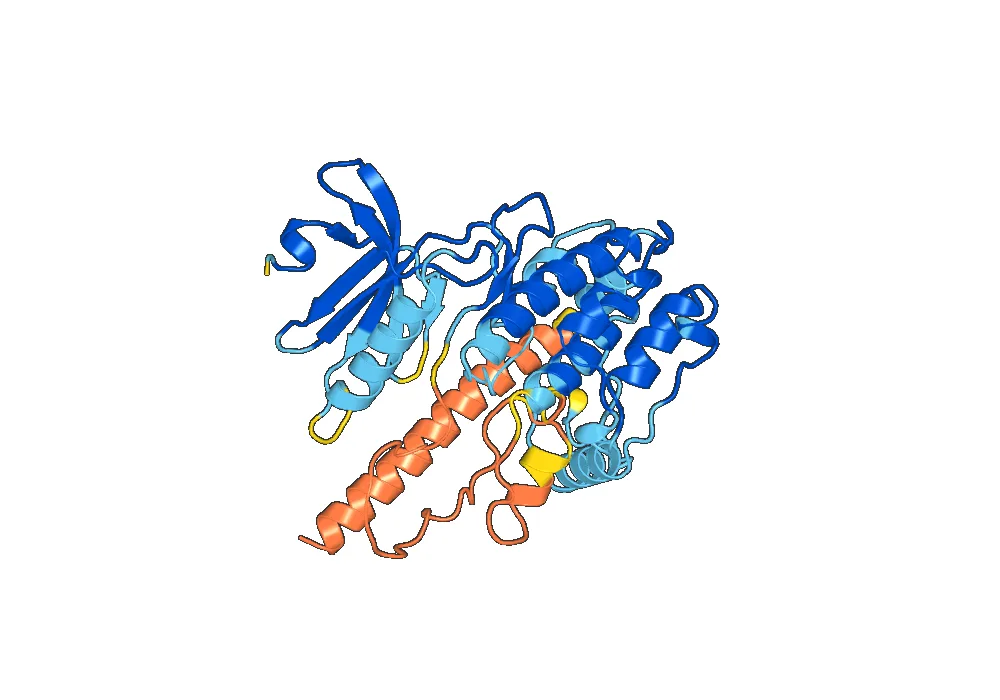
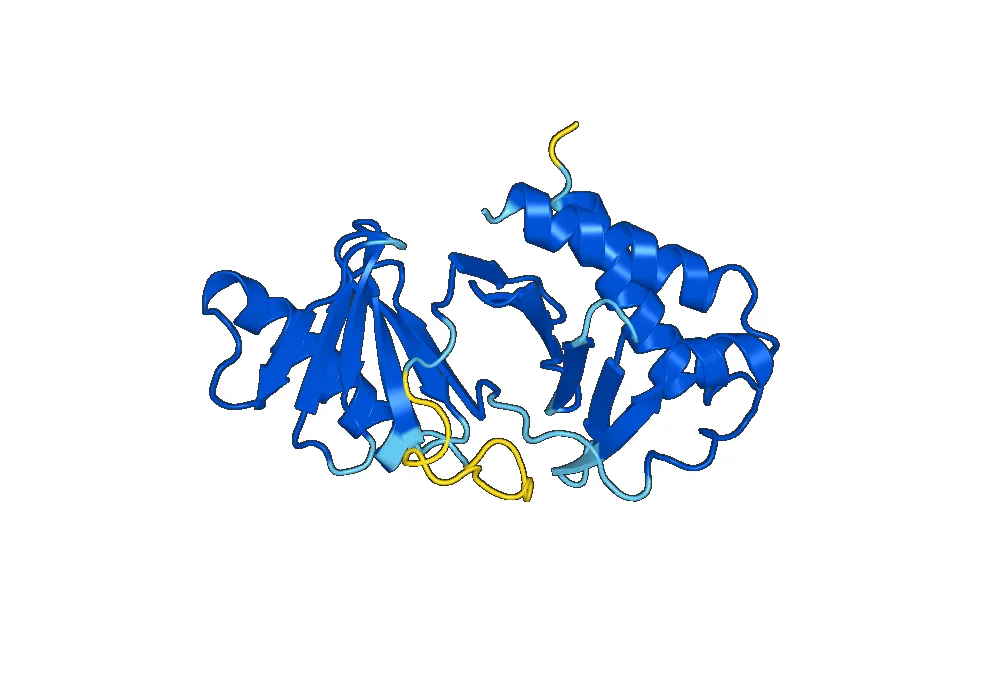
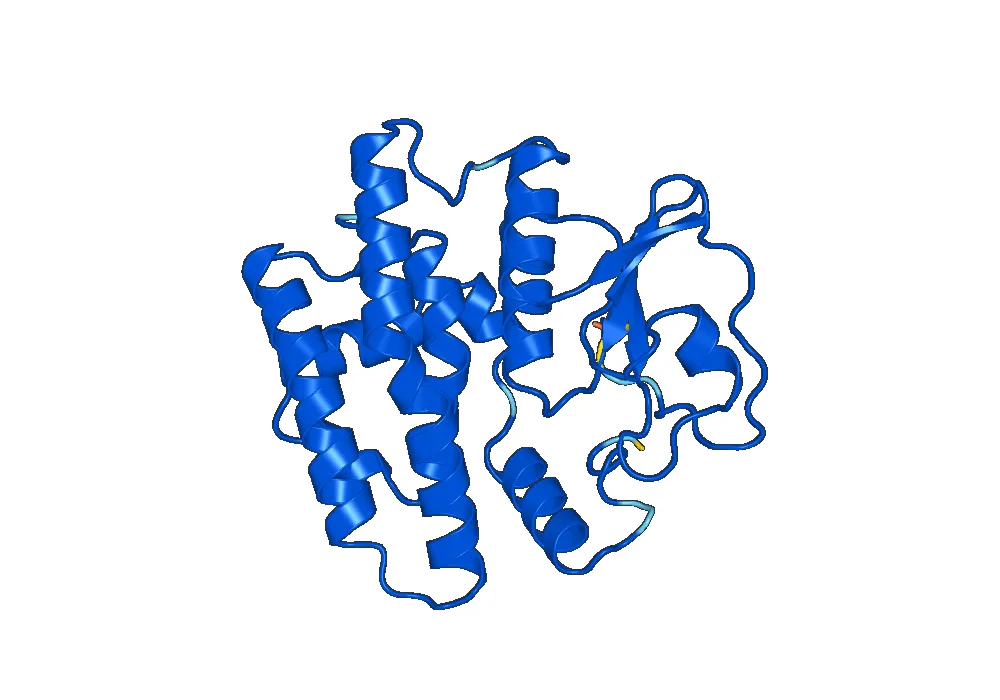
The crystal structure of Recombinant Human MKNK2 Protein has been determined, revealing that it has a similar structure to other serine/threonine kinases. It consists of two lobes, the N-terminal lobe and the C-terminal lobe, which are connected by a hinge region. The catalytic domain is located in the C-terminal lobe and contains the ATP-binding site and the active site for substrate binding. The regulatory domain is located in the N-terminal lobe and is responsible for the interaction with other proteins.
Activity of Recombinant Human MKNK2 Protein
Recombinant Human MKNK2 Protein is a serine/threonine kinase that phosphorylates its substrates on serine or threonine residues. It is activated by the MAPK signaling pathway, which is initiated by the binding of growth factors, cytokines, or stress signals to their respective receptors. This leads to the activation of MAPKs, which then activate Recombinant Human MKNK2 Protein by phosphorylating it on specific residues.
Once activated, Recombinant Human MKNK2 Protein phosphorylates its substrates, including eukaryotic translation initiation factor 4E (eIF4E) and ribosomal protein S6 kinase beta-1 (S6K1). Phosphorylation of eIF4E by Recombinant Human MKNK2 Protein leads to the inhibition of cap-dependent translation, which is important for cell growth and proliferation. On the other hand, phosphorylation of S6K1 by Recombinant Human MKNK2 Protein leads to the activation of protein synthesis and cell growth.
Application of Recombinant Human MKNK2 Protein
Recombinant Human MKNK2 Protein has been widely used in research and drug development. Its involvement in the MAPK signaling pathway makes it a potential target for the treatment of various diseases, including cancer and neurological disorders.
One of the main applications of Recombinant Human MKNK2 Protein is in cancer research. Overexpression of MKNK2 has been observed in various types of cancer, and its inhibition has been shown to suppress tumor growth and induce cell death. Therefore, Recombinant Human MKNK2 Protein can be used to study the role of MKNK2 in cancer and its potential as a therapeutic target.
In addition, Recombinant Human MKNK2 Protein has also been studied in the context of neurological disorders. It has been shown to play a role in the regulation of synaptic plasticity, which is important for learning and memory. Dysfunction of MKNK2 has been linked to neurological disorders such as Alzheimer’s disease and Fragile X syndrome. Therefore, Recombinant Human MKNK2 Protein can be used to study the role of MKNK2 in these disorders and potentially develop new treatments.
Conclusion
In summary, Recombinant Human MKNK2 Protein is a 43 kDa protein that plays an important role in the MAPK signaling pathway. Its structure consists of a catalytic domain and a regulatory domain, and it is activated by the MAPK

There are no reviews yet.