Introduction
Recombinant proteins are proteins that are produced through genetic engineering techniques, allowing for the production of large quantities of specific proteins for research and therapeutic purposes. One such recombinant protein is the Recombinant Human SRSF2/SC-35 Protein, which has been extensively studied for its structure, activity, and potential applications.
Structure of Recombinant Human SRSF2/SC-35 Protein
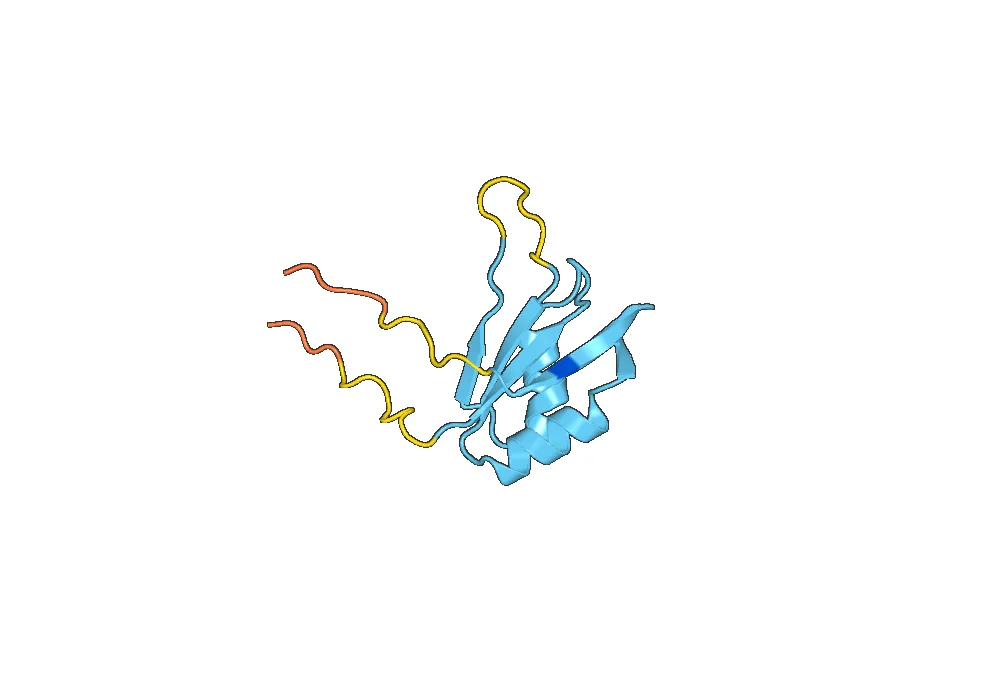
The Recombinant Human SRSF2/SC-35 Protein is a 35 kDa protein that is encoded by the SRSF2 gene. It is a member of the serine/arginine-rich splicing factor (SRSF) family and is also known as the SC-35 protein. This protein is composed of 260 amino acids and contains two RNA recognition motifs (RRMs) and a serine/arginine-rich (RS) domain.
The RRMs are responsible for binding to specific RNA sequences, while the RS domain is involved in protein-protein interactions and plays a crucial role in alternative splicing. The structure of the Recombinant Human SRSF2/SC-35 Protein has been extensively studied using techniques such as X-ray crystallography and nuclear magnetic resonance (NMR) spectroscopy, providing valuable insights into its function and potential applications.
Activity of Recombinant Human SRSF2/SC-35 Protein
The primary function of the Recombinant Human SRSF2/SC-35 Protein is to regulate alternative splicing, a process by which different combinations of exons in a pre-mRNA are selected to produce multiple mRNA isoforms from a single gene. This protein binds to specific RNA sequences and recruits other splicing factors to form a spliceosome, which is responsible for the removal of introns and the joining of exons.
Furthermore, the Recombinant Human SRSF2/SC-35 Protein has been shown to play a role in other cellular processes such as mRNA export, translation, and RNA stability. It has also been implicated in various diseases, including cancer and neurodegenerative disorders, highlighting its importance in cellular function and disease pathology.
Application of Recombinant Human SRSF2/SC-35 Protein
The Recombinant Human SRSF2/SC-35 Protein has a wide range of potential applications, particularly in the field of biotechnology and medicine. One of its main applications is in the study of alternative splicing, as it is a key player in this process and its recombinant form allows for easier manipulation and analysis in research settings.
Additionally, the Recombinant Human SRSF2/SC-35 Protein has been investigated as a potential therapeutic target for diseases that involve aberrant splicing, such as cancer. Manipulation of this protein could potentially lead to the development of novel treatments for these diseases.
Moreover, the Recombinant Human SRSF2/SC-35 Protein has also been used in diagnostic tests for diseases such as acute myeloid leukemia, where its expression pattern can serve as a biomarker for disease progression and prognosis.
Conclusion
The Recombinant Human SRSF2/SC-35 Protein is a crucial protein involved in alternative splicing and other cellular processes. Its structure and activity have been extensively studied, providing valuable insights into its function and potential applications. With its wide range of potential uses in research and medicine, this recombinant protein holds great promise for further advancements in the understanding and treatment of various diseases.

There are no reviews yet.