Introduction to Recombinant Human GDF7
Recombinant Human GDF7 (Growth Differentiation Factor 7) is a protein that belongs to the transforming growth factor-beta (TGF-β) superfamily. It is a homodimeric protein that is composed of two identical subunits, each containing 119 amino acids. This protein is encoded by the GDF7 gene and is also known as BMP-12 (Bone Morphogenetic Protein 12).
Structure of Recombinant Human GDF7
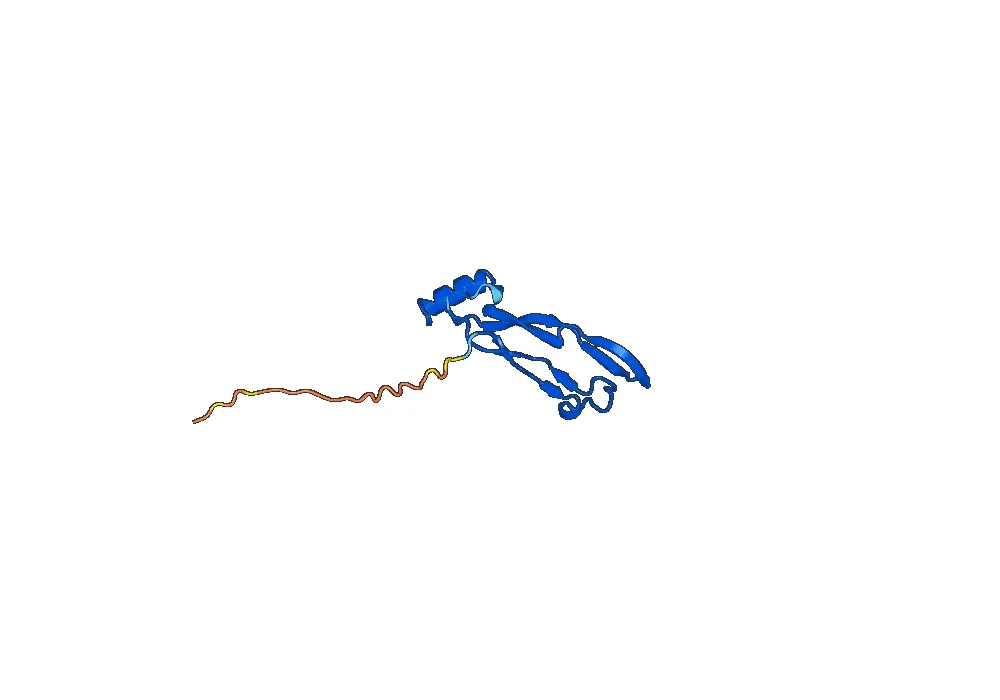
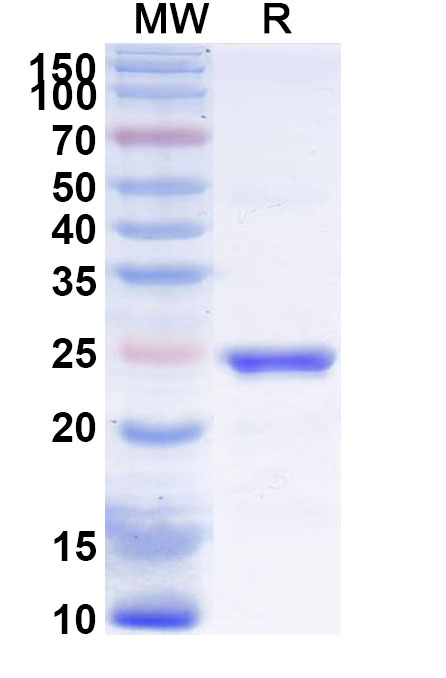
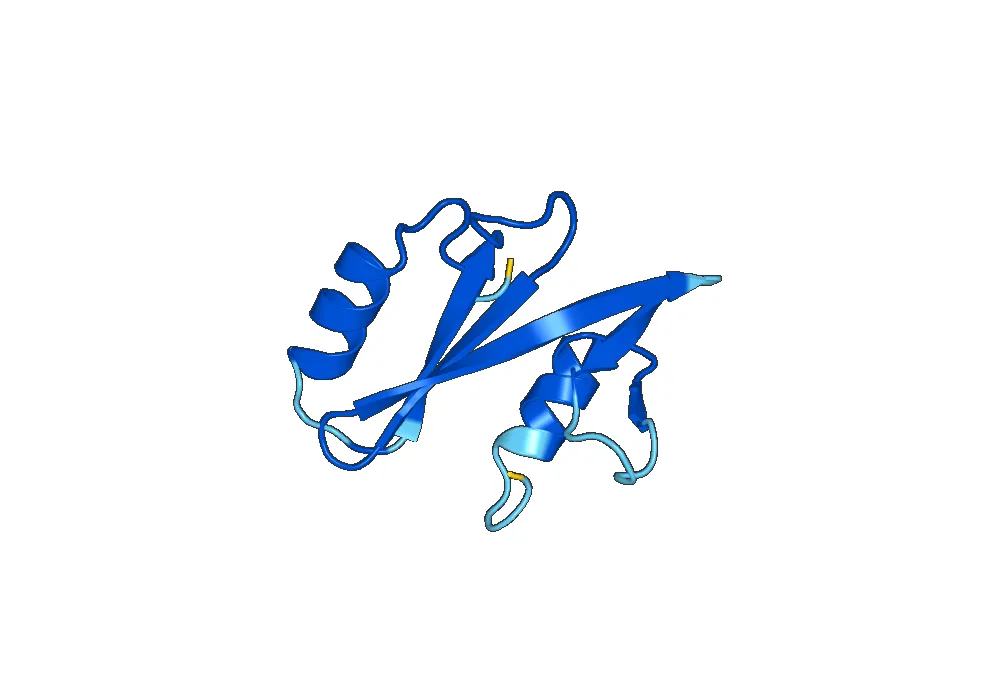
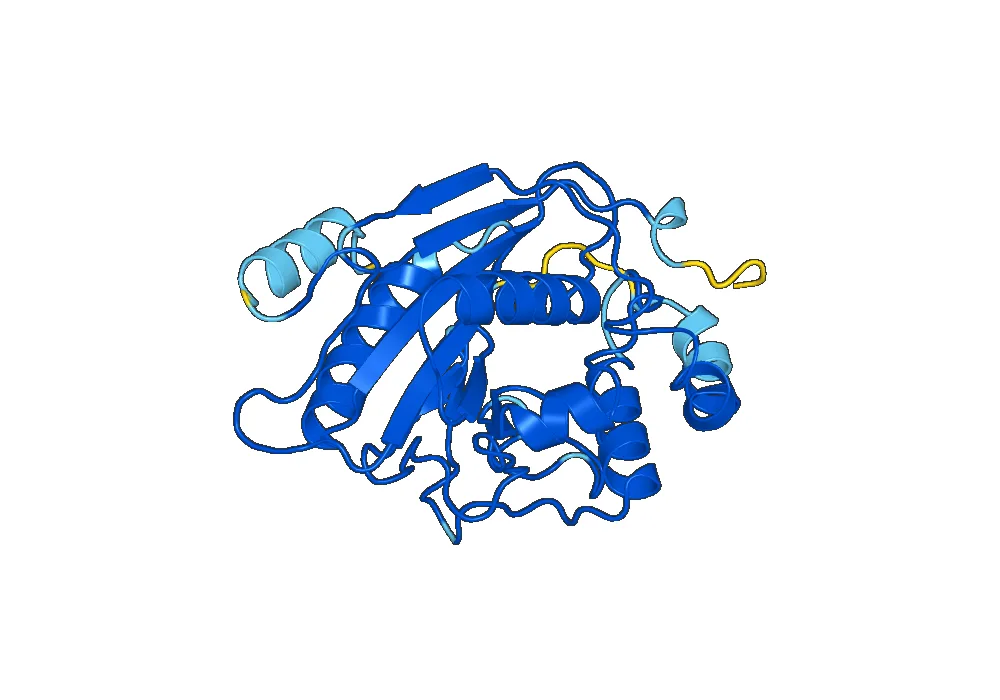
Recombinant Human GDF7 is a small protein with a molecular weight of approximately 27 kDa. It has a highly conserved structure among different species, with 97% amino acid sequence identity between human and mouse GDF7. The protein is composed of a signal peptide, a propeptide, and a mature domain. The mature domain is responsible for the biological activity of GDF7 and is further divided into two subdomains: the N-terminal and C-terminal subdomains.
The N-terminal subdomain of GDF7 contains seven cysteine residues that form disulfide bonds, which are important for the stability and proper folding of the protein. The C-terminal subdomain, on the other hand, contains a conserved motif called the TGF-β homology domain, which is responsible for the binding of GDF7 to its receptors.
Activity of Recombinant Human GDF7
Recombinant Human GDF7 is a multifunctional protein that plays a crucial role in various biological processes, including cell proliferation, differentiation, and tissue regeneration. It exerts its effects by binding to specific cell surface receptors, known as type I and type II receptors. Upon binding, the receptors undergo conformational changes, leading to the activation of downstream signaling pathways, such as the SMAD pathway.
One of the main functions of GDF7 is its ability to promote the differentiation of mesenchymal stem cells (MSCs) into chondrocytes, which are the cells responsible for the production of cartilage. This makes GDF7 a promising therapeutic agent for the treatment of cartilage-related diseases, such as osteoarthritis.
In addition, GDF7 has been shown to stimulate the growth and differentiation of muscle cells, making it a potential candidate for the treatment of muscle injuries or disorders. It also has a role in bone formation, as it has been found to promote the proliferation and differentiation of osteoblasts, which are responsible for bone formation.
Application of Recombinant Human GDF7
Recombinant Human GDF7 has a wide range of potential applications in the field of regenerative medicine and tissue engineering. Its ability to promote chondrogenesis and osteogenesis makes it a promising candidate for the repair and regeneration of damaged cartilage and bone tissue. It has also been studied for its potential in promoting the healing of muscle injuries and improving muscle function.
In addition, GDF7 has been investigated for its role in promoting wound healing and tissue repair. Studies have shown that GDF7 can stimulate the growth and migration of fibroblasts, which are crucial for wound healing. It has also been found to enhance the production of extracellular matrix proteins, which are essential for tissue repair.
Furthermore, the use of recombinant GDF7 in combination with other growth factors or scaffolds has been explored for the development of tissue-engineered constructs for various applications, such as bone and cartilage repair.
Conclusion
Recombinant Human GDF7 is a small but powerful protein with diverse biological functions. Its structure, activity, and potential applications make it a promising candidate for the development of novel therapeutics in the field of regenerative medicine and tissue engineering. Further research and clinical trials are needed to fully understand the potential of this protein and its role in various diseases and conditions.
There are no reviews yet.