Introduction
Recombinant Human CEP19 Protein, also known as centrosomal protein 19, is a protein that plays a crucial role in the formation and organization of the centrosome. The centrosome is a cellular organelle that is responsible for cell division and organization of the cytoskeleton. CEP19 is a key component of the centrosome and its dysfunction has been linked to various diseases such as cancer and ciliopathies. In this article, we will explore the structure, activity, and application of Recombinant Human CEP19 Protein.
Structure of Recombinant Human CEP19 Protein
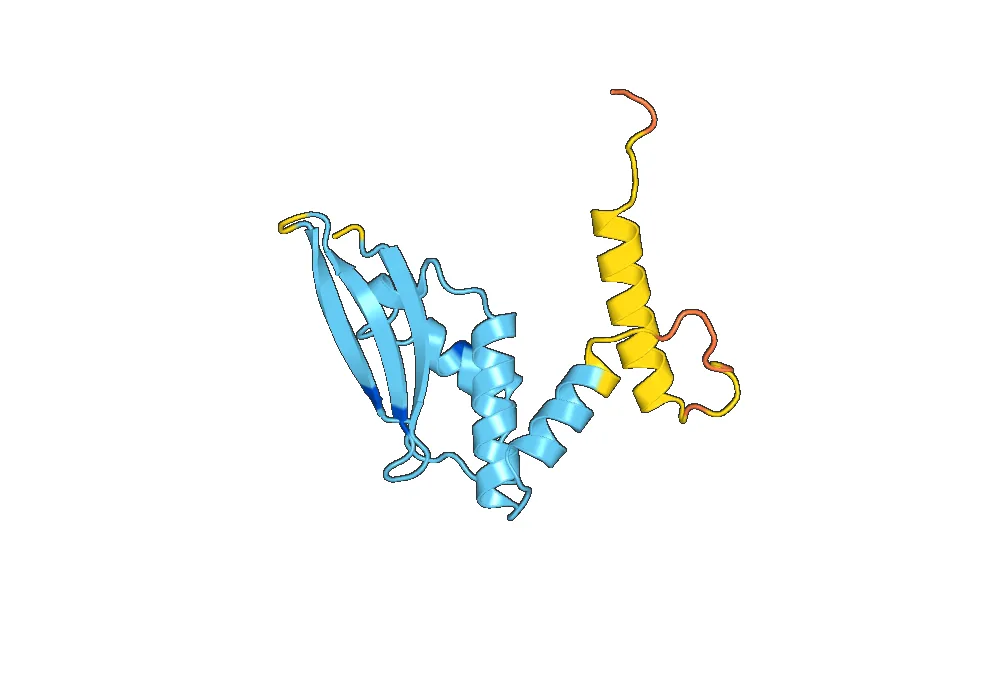
CEP19 is a 19 kDa protein that is composed of 172 amino acids. It contains two coiled-coil domains, which are responsible for protein-protein interactions, and a C-terminal domain that is involved in centrosome localization. CEP19 also has a nuclear localization signal, indicating its ability to shuttle between the nucleus and the cytoplasm. The crystal structure of CEP19 has been determined, revealing its unique three-dimensional structure.
Activity of Recombinant Human CEP19 Protein
The main function of CEP19 is to regulate centrosome duplication and organization during cell division. It does so by interacting with other centrosomal proteins, such as CEP192 and CEP152, to form a stable complex at the centrosome. This complex is essential for the recruitment of other proteins involved in centrosome duplication and microtubule organization. Additionally, CEP19 has been shown to be involved in ciliogenesis, the process of forming cilia, which are hair-like structures that play important roles in cell signaling and movement.
Studies have also shown that CEP19 is essential for proper cell cycle progression. Knockdown of CEP19 leads to defects in cell division, resulting in abnormal cell proliferation and cell death. This highlights the crucial role of CEP19 in maintaining the integrity of the centrosome and ensuring proper cell division.
Application of Recombinant Human CEP19 Protein
Recombinant Human CEP19 Protein has a wide range of applications in both research and clinical settings. Its ability to regulate centrosome duplication and microtubule organization makes it a valuable tool for studying these cellular processes. Researchers can use recombinant CEP19 to investigate the role of this protein in various diseases and to understand its interactions with other centrosomal proteins.
Furthermore, the dysregulation of CEP19 has been implicated in several diseases, making it a potential therapeutic target. For instance, CEP19 has been shown to be overexpressed in certain types of cancer, including breast and lung cancer. Targeting CEP19 could potentially inhibit cancer cell growth and proliferation. Additionally, mutations in CEP19 have been linked to ciliopathies, which are genetic disorders affecting the structure and function of cilia. Recombinant CEP19 can be used to study the effects of these mutations and potentially develop treatments for ciliopathies.
Conclusion
In summary, Recombinant Human CEP19 Protein is a crucial component of the centrosome, playing a vital role in centrosome duplication, microtubule organization, and cell cycle progression. Its structure and activity have been extensively studied, and it has various applications in both research and clinical settings. Further research on CEP19 may lead to a better understanding of its role in diseases and the development of potential treatments.

There are no reviews yet.