Introduction
Recombinant Human NPC1 Protein is a type of protein that is produced through genetic engineering techniques, also known as recombinant protein. This protein is derived from the NPC1 gene, which is responsible for encoding the NPC1 protein in humans. The recombinant version of this protein has been extensively studied and has shown promising results in various research areas. In this article, we will discuss the structure, activity, and application of Recombinant Human NPC1 Protein.
Structure of Recombinant Human NPC1 Protein
The NPC1 protein is a transmembrane glycoprotein that is primarily found in the late endosomes and lysosomes of cells. It is composed of 1278 amino acids and has a molecular weight of approximately 140 kDa. The recombinant version of this protein is produced in different expression systems such as E. coli, yeast, insect cells, and mammalian cells. The recombinant protein is usually purified through affinity chromatography and has a high level of purity.
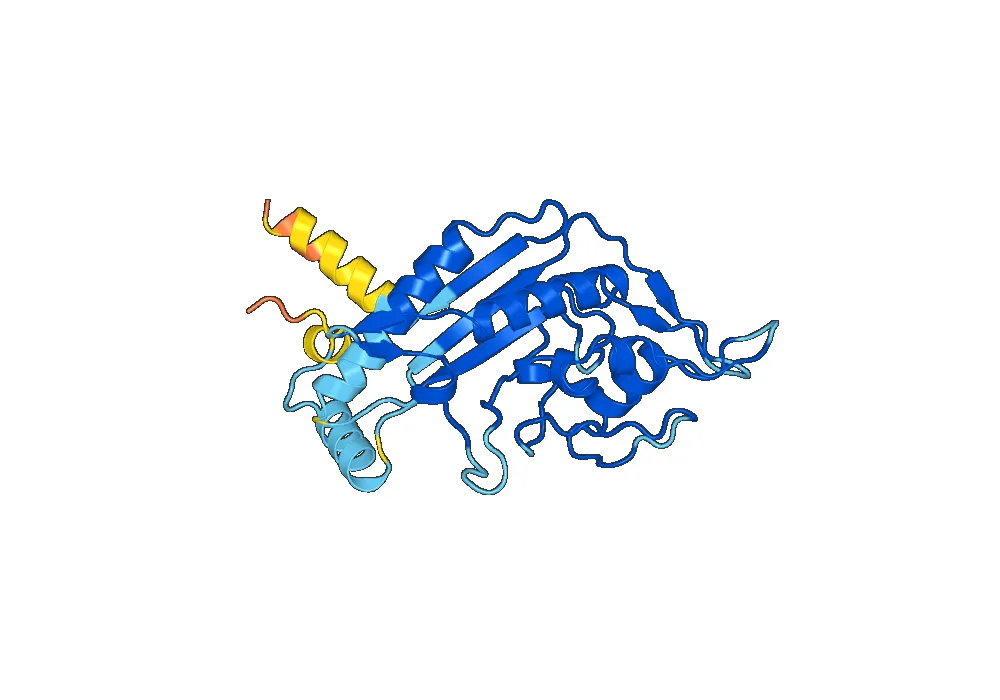
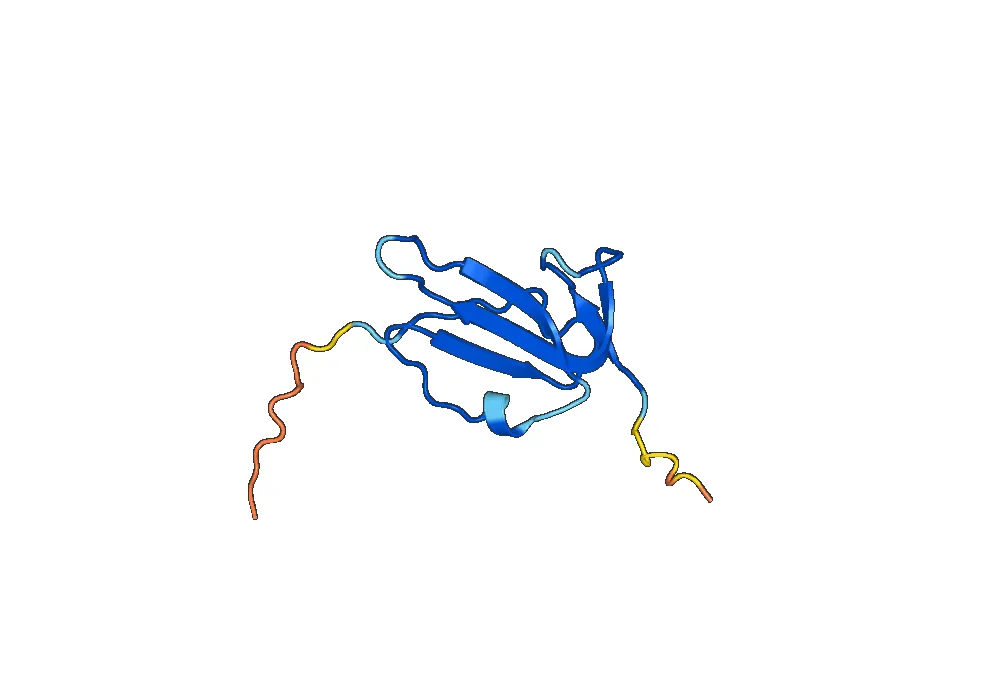
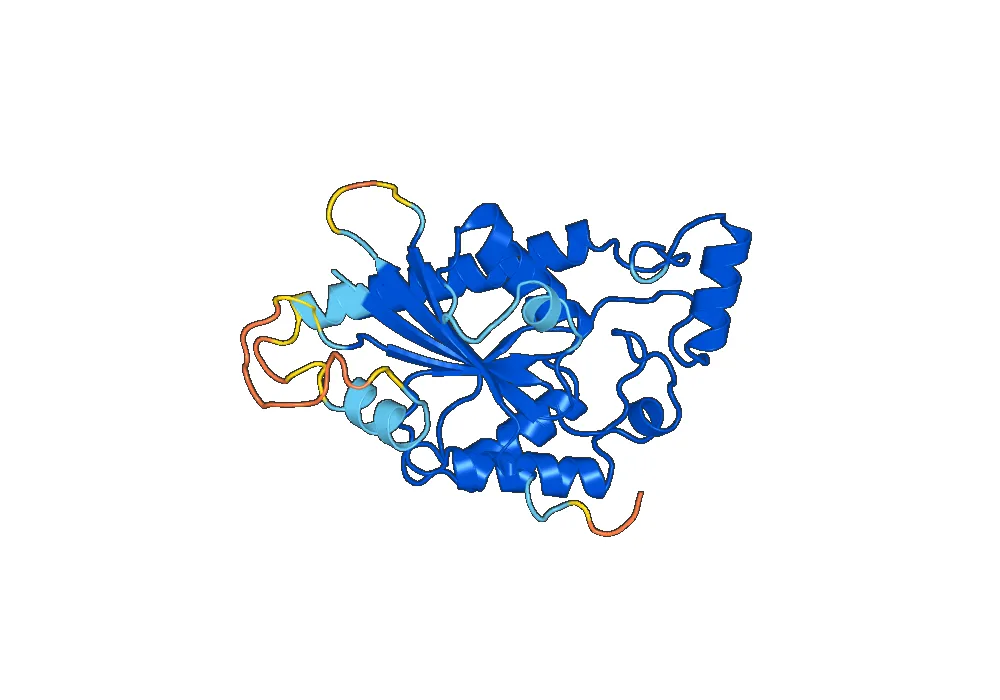
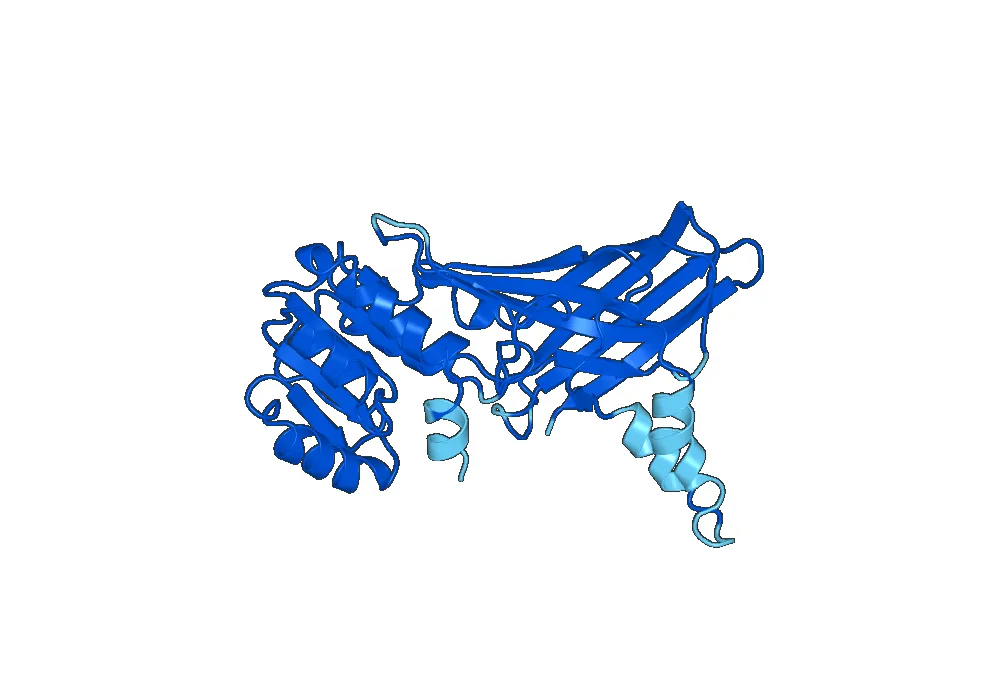
The crystal structure of Recombinant Human NPC1 Protein has been determined, revealing important insights into its function. It is composed of 13 transmembrane helices, with the N- and C-termini located in the cytoplasm. The protein has a large luminal domain, which contains binding sites for cholesterol and other lipids. The structure also contains several glycosylation sites, which are important for the proper folding and function of the protein.
Activity of Recombinant Human NPC1 Protein
The primary function of NPC1 protein is to transport cholesterol and other lipids from the late endosomes and lysosomes to other cellular compartments. This process is crucial for maintaining the balance of cholesterol and other lipids in the cell. Mutations in the NPC1 gene can lead to a rare genetic disorder known as Niemann-Pick disease type C (NPC), which is characterized by the accumulation of cholesterol and other lipids in the late endosomes and lysosomes.
Recombinant Human NPC1 Protein has been extensively studied for its activity in NPC disease. It has been shown to effectively transport cholesterol and other lipids in cells with NPC mutations, restoring the balance of these molecules. Additionally, studies have also shown that the recombinant protein can inhibit the replication of certain viruses, such as Ebola and Marburg, by blocking their entry into cells through cholesterol-dependent pathways.
Applications of Recombinant Human NPC1 Protein
The potential applications of Recombinant Human NPC1 Protein are vast and diverse. One of the most promising areas of research is its use in the treatment of NPC disease. Studies have shown that the recombinant protein can effectively reduce the accumulation of cholesterol and other lipids in cells with NPC mutations, providing a potential therapeutic option for this rare disorder.
In addition to NPC disease, Recombinant Human NPC1 Protein has also shown potential in the treatment of viral infections. By blocking the entry of viruses into cells, the recombinant protein can potentially be used as a preventative measure against viral outbreaks. Furthermore, the protein has also been studied for its role in lipid metabolism and its potential use in the development of new drugs for conditions such as atherosclerosis.
Conclusion
In conclusion, Recombinant Human NPC1 Protein is a crucial protein that plays a vital role in cholesterol and lipid transport within cells. The recombinant version of this protein has been extensively studied and has shown promising results in the treatment of NPC disease and viral infections. Its potential applications in various research areas make it a valuable tool for scientists and researchers. Further studies and developments in this field are essential for harnessing the full potential of Recombinant Human NPC1 Protein.

There are no reviews yet.