Introduction
Recombinant Human EIF2B1 Protein, also known as eukaryotic translation initiation factor 2B subunit alpha (EIF2B1), is a vital protein involved in the regulation of protein synthesis in eukaryotic cells. This protein is encoded by the EIF2B1 gene and is essential for the proper functioning of the translation initiation complex. In this article, we will discuss the structure, activity, and applications of Recombinant Human EIF2B1 Protein.
Structure of Recombinant Human EIF2B1 Protein
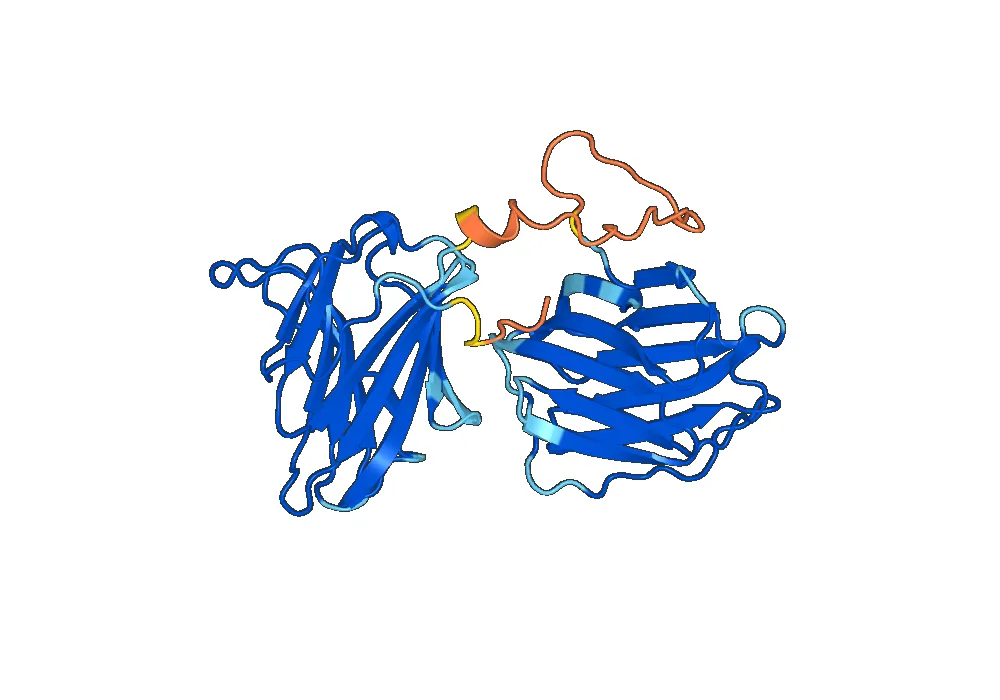
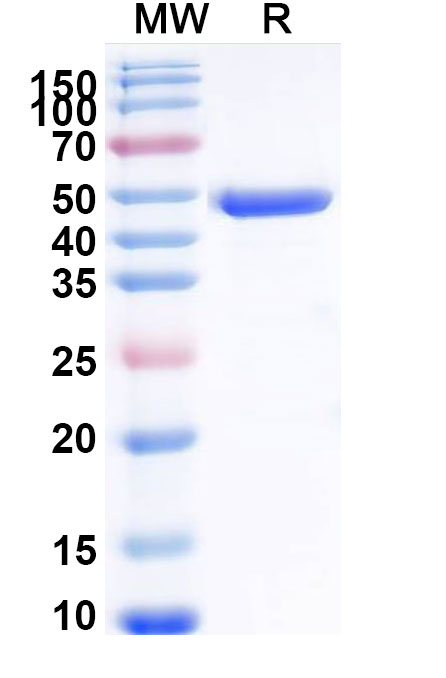
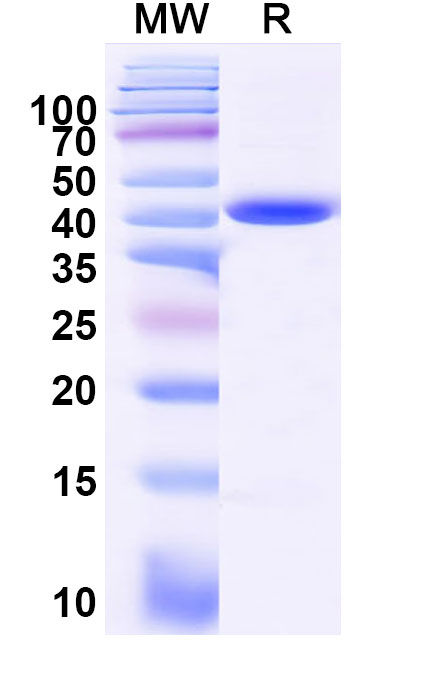
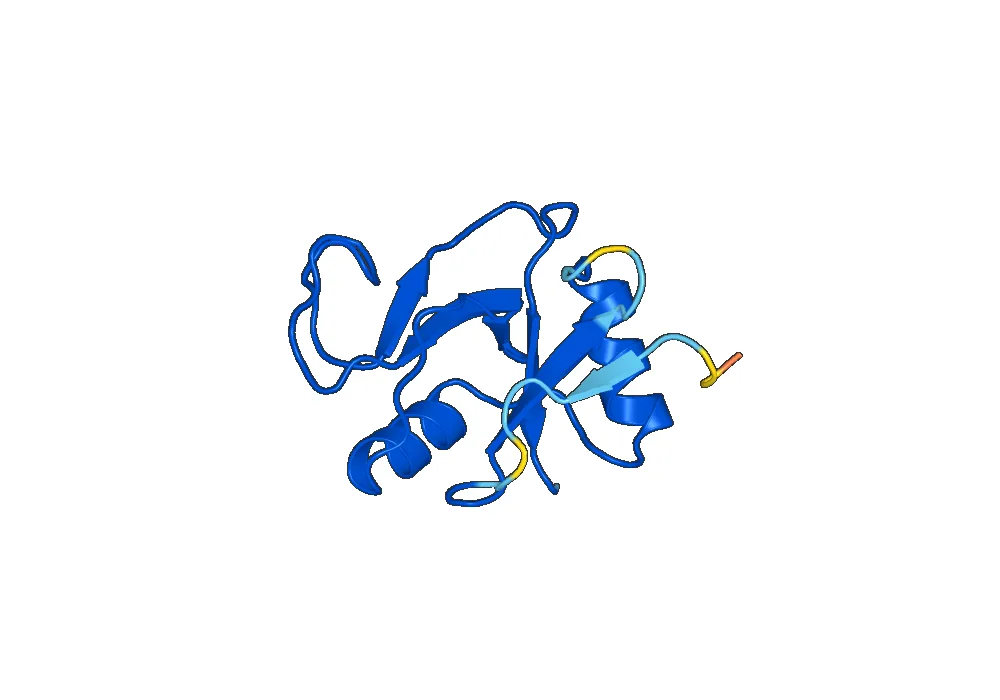
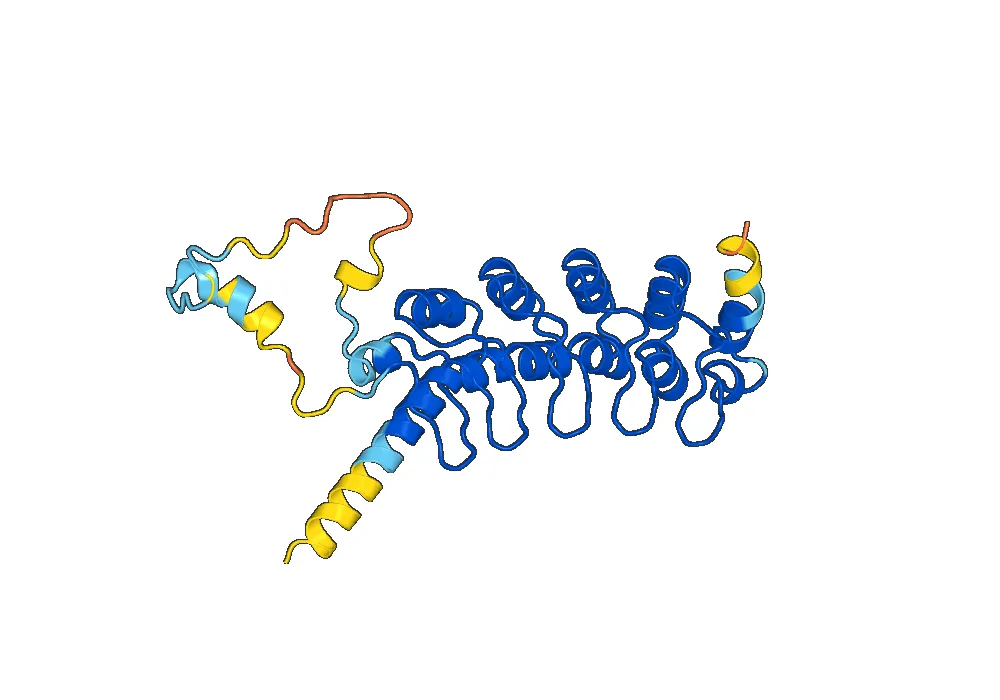
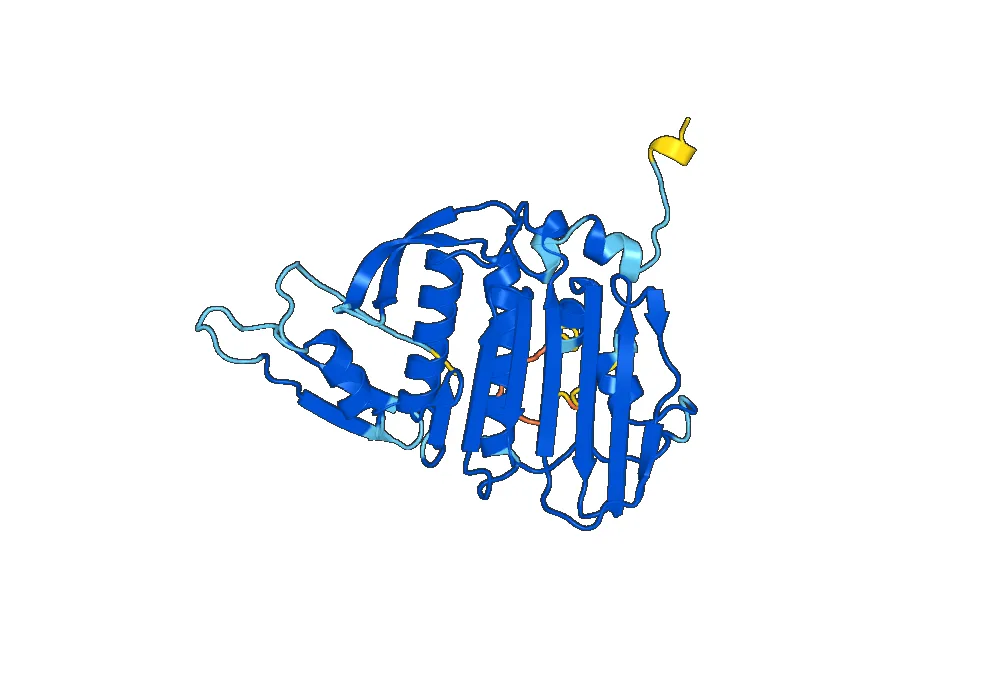
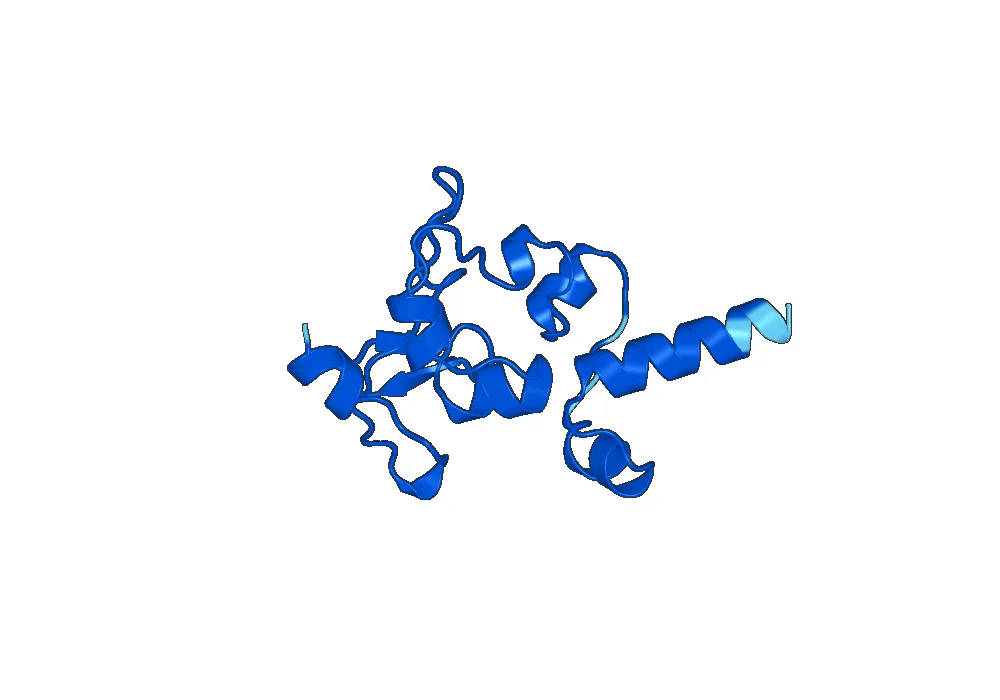
Recombinant Human EIF2B1 Protein is a 65 kDa protein consisting of 590 amino acids. It belongs to the eukaryotic translation initiation factor 2B (eIF2B) family and contains a conserved domain known as the eIF2B alpha subunit domain. This domain is responsible for the catalytic activity of the protein and is present in all eIF2B subunits. The protein also contains two highly conserved regions, known as the eIF2B1 regulatory domain and the eIF2B1 regulatory domain-like region, which are important for regulating the activity of the protein.
Activity of Recombinant Human EIF2B1 Protein
Recombinant Human EIF2B1 Protein plays a crucial role in the initiation of protein synthesis. It is a subunit of the eIF2B complex, which is responsible for the exchange of GDP for GTP on the eukaryotic translation initiation factor 2 (eIF2). This exchange is essential for the formation of the ternary complex, which is necessary for the recruitment of the initiator methionyl-tRNA to the 40S ribosomal subunit. This process is a critical step in the initiation of translation and is regulated by the activity of eIF2B.
In addition to its role in protein synthesis, Recombinant Human EIF2B1 Protein has also been linked to other cellular processes. Studies have shown that this protein is involved in the regulation of cell growth, differentiation, and apoptosis. It has also been implicated in the pathogenesis of certain diseases, including neurodegenerative disorders and cancer.
Applications of Recombinant Human EIF2B1 Protein
Recombinant Human EIF2B1 Protein has various applications in both research and clinical settings. One of its primary uses is in the study of translation initiation and protein synthesis. The recombinant protein can be used to investigate the structure and function of the eIF2B complex, as well as its role in various cellular processes.
Furthermore, Recombinant Human EIF2B1 Protein has potential therapeutic applications. Mutations in the EIF2B1 gene have been linked to a rare genetic disorder known as leukoencephalopathy with vanishing white matter (VWM). This disease is characterized by progressive neurological deterioration and is caused by defects in the eIF2B complex. Recombinant Human EIF2B1 Protein can be used to study the pathogenesis of VWM and develop potential treatments for this condition.
Moreover, Recombinant Human EIF2B1 Protein has been identified as a potential target for cancer therapy. Studies have shown that this protein is overexpressed in certain types of cancer, and its inhibition can lead to decreased cell growth and increased sensitivity to chemotherapy. Recombinant Human EIF2B1 Protein can be used to develop targeted therapies for these types of cancer.
Conclusion
In summary, Recombinant Human EIF2B1 Protein is a crucial protein involved in the regulation of protein synthesis and other cellular processes. Its structure and activity have been extensively studied, and it has various applications in research and medicine. Further research on this protein may lead to a better understanding of its role in health and disease and the development of new treatments for related conditions.

There are no reviews yet.