Recombinant Human CLDN5 Protein: Structure, Activity and Application
Introduction
Recombinant Human CLDN5 Protein is a type of recombinant protein that has been produced using genetic engineering techniques. It is a member of the claudin family of proteins, which are integral membrane proteins involved in the formation of tight junctions in epithelial and endothelial cells. CLDN5 is specifically found in the endothelial cells of the blood-brain barrier, making it an important target for research in neurobiology and drug delivery.
Structure of Recombinant Human CLDN5 Protein
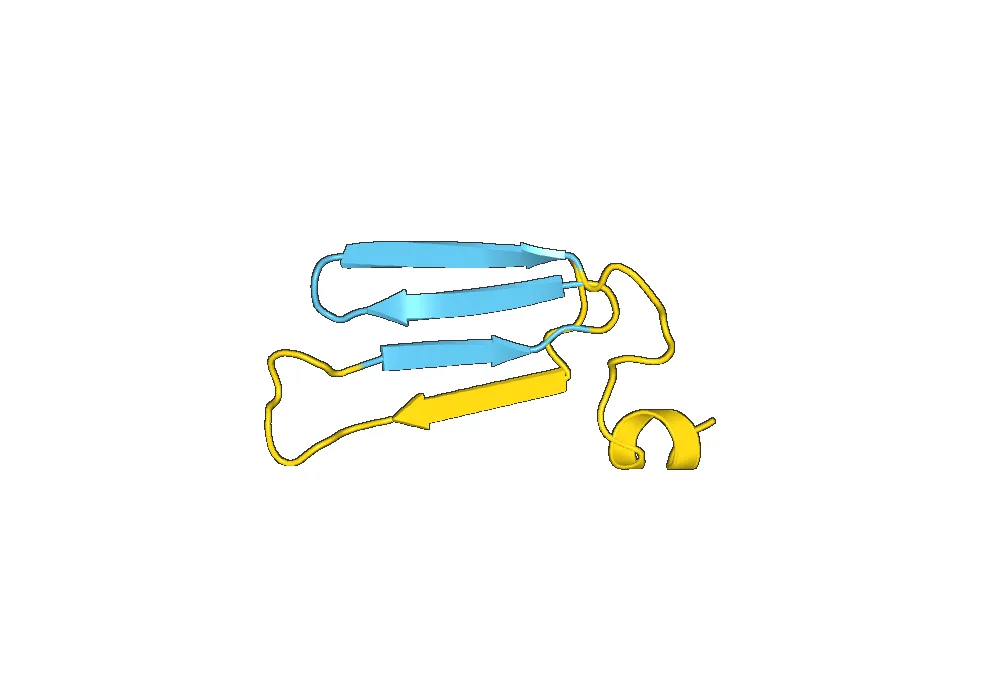
The structure of Recombinant Human CLDN5 Protein is similar to that of other claudin family members. It consists of four transmembrane domains, two extracellular loops, and a cytoplasmic tail. The extracellular loops are responsible for forming tight junctions with adjacent cells, while the cytoplasmic tail interacts with intracellular proteins to regulate the permeability of the tight junctions.
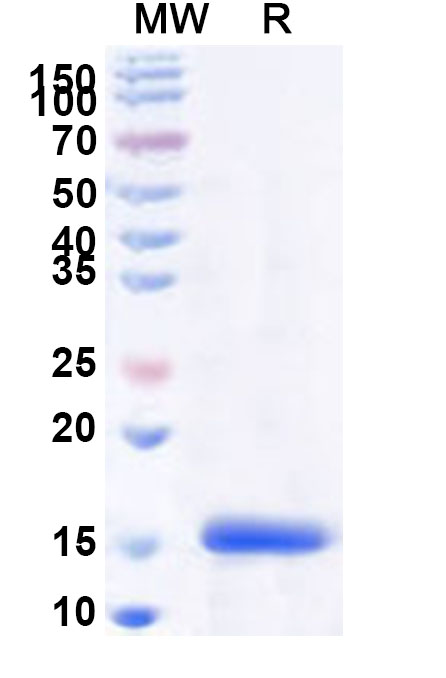
Recombinant Human CLDN5 Protein is produced in a soluble form, making it easier to purify and study compared to its native membrane-bound form. It is typically expressed in mammalian cells, such as HEK293 cells, and purified using affinity chromatography. The resulting protein is highly pure and stable, making it suitable for various applications.
Activity of Recombinant Human CLDN5 Protein
The main function of CLDN5 is to regulate the paracellular transport of molecules across the blood-brain barrier. This is achieved by forming tight junctions with other endothelial cells, creating a physical barrier that restricts the movement of substances between the blood and the brain. Recombinant Human CLDN5 Protein has been shown to form functional tight junctions when expressed in endothelial cells, indicating its ability to regulate paracellular transport.
In addition to its role in the blood-brain barrier, CLDN5 has also been implicated in other physiological processes such as cell proliferation, migration, and differentiation. Studies have shown that alterations in CLDN5 expression can affect the permeability of tight junctions, leading to changes in cell behavior. This highlights the importance of CLDN5 in maintaining the integrity and function of various tissues and organs.
Applications of Recombinant Human CLDN5 Protein
The unique properties of Recombinant Human CLDN5 Protein make it a valuable tool for research in various fields, including neurobiology, drug delivery, and tissue engineering. By studying the structure and activity of CLDN5, researchers can gain a better understanding of the blood-brain barrier and its role in disease and drug delivery to the brain.
One potential application of Recombinant Human CLDN5 Protein is in the development of drugs that can target the blood-brain barrier. As CLDN5 is specifically expressed in the endothelial cells of the blood-brain barrier, it can serve as a target for drug delivery systems that can cross this barrier. By incorporating CLDN5-targeting molecules into drug carriers, researchers can potentially improve the delivery of therapeutics to the brain.
Furthermore, Recombinant Human CLDN5 Protein can also be used in tissue engineering to create artificial blood-brain barrier models for drug screening and disease modeling. By culturing endothelial cells expressing CLDN5 on a porous membrane, researchers can mimic the structure and function of the blood-brain barrier and study its response to different compounds or diseases.
Conclusion
In summary, Recombinant Human CLDN5 Protein is a valuable tool for research in neurobiology, drug delivery, and tissue engineering. Its unique structure and activity make it an important target for understanding the


There are no reviews yet.