Introduction
Recombinant proteins are proteins that are produced through genetic engineering techniques, allowing for the production of large quantities of a specific protein. One such recombinant protein is the human CEPT1 protein, which has important implications in various biological processes. In this article, we will discuss the structure, activity, and applications of recombinant human CEPT1 protein.
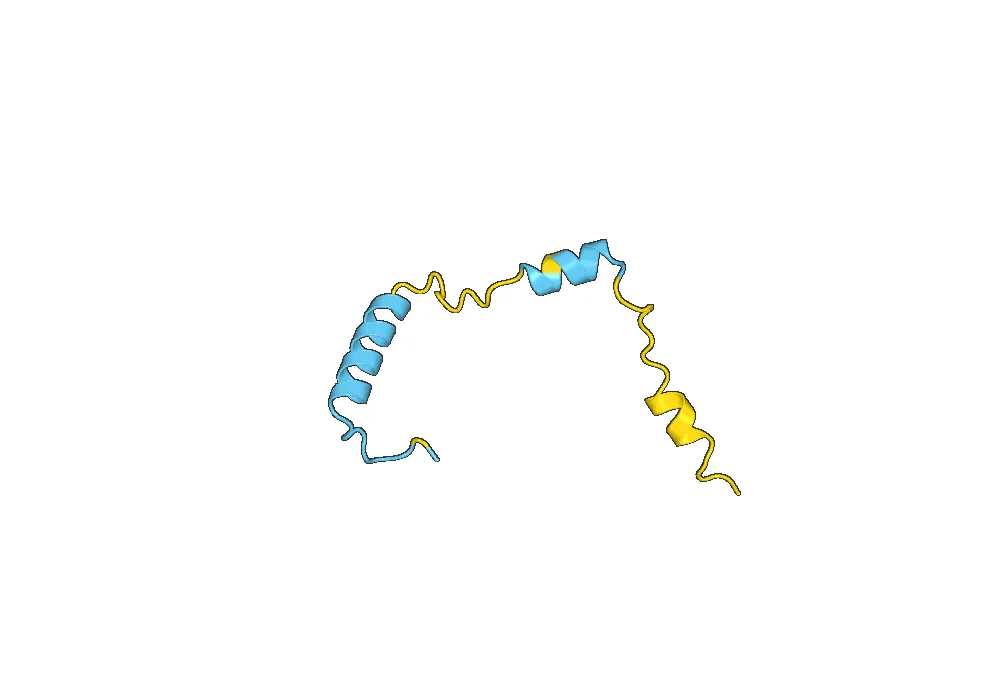
Structure of Recombinant Human CEPT1 Protein
The human CEPT1 protein, also known as choline/ethanolaminephosphotransferase 1, is an enzyme that plays a crucial role in the synthesis of phosphatidylcholine and phosphatidylethanolamine, important components of cell membranes. The recombinant form of this protein is produced by inserting the human CEPT1 gene into a host organism, such as bacteria or yeast, and allowing it to produce the protein in large quantities.
The recombinant human CEPT1 protein has a molecular weight of approximately 45 kDa and consists of 403 amino acids. It is composed of two domains: a catalytic domain and a regulatory domain. The catalytic domain is responsible for the transfer of phosphocholine or phosphoethanolamine from CDP-choline or CDP-ethanolamine to diacylglycerol, while the regulatory domain plays a role in substrate specificity and enzyme activity.
Activity of Recombinant Human CEPT1 Protein
The primary function of the human CEPT1 protein is to catalyze the transfer of phosphocholine or phosphoethanolamine to diacylglycerol, resulting in the synthesis of phosphatidylcholine and phosphatidylethanolamine. This process is essential for the maintenance of cell membrane integrity and fluidity. Additionally, the recombinant human CEPT1 protein has been shown to have a high specificity for its substrates, making it an efficient enzyme for the production of phospholipids.
Furthermore, the activity of recombinant human CEPT1 protein can be modulated by various factors, including pH, temperature, and the presence of regulatory proteins. This allows for the fine-tuning of its activity, making it a versatile tool for various biological applications.
Applications of Recombinant Human CEPT1 Protein
The recombinant human CEPT1 protein has a wide range of applications in the field of biotechnology and medicine. One of its primary applications is in the production of phospholipids, which are used in the formulation of liposomes, a type of drug delivery system. The high specificity and efficiency of the recombinant human CEPT1 protein make it an ideal enzyme for this purpose.
Moreover, the human CEPT1 gene has been linked to various diseases, including cancer and neurological disorders. The production of recombinant human CEPT1 protein has allowed for the study of its role in these diseases and the development of potential therapeutic interventions.
Additionally, recombinant human CEPT1 protein has been used in research studies to investigate the role of phospholipids in various biological processes, such as cell signaling and membrane trafficking. Its ability to modulate phospholipid synthesis has also been utilized in the production of biofuels from microalgae.
Conclusion
In summary, recombinant human CEPT1 protein is a crucial enzyme involved in the synthesis of phospholipids and has numerous applications in biotechnology and medicine. Its structure, activity, and modulability make it a valuable tool for studying biological processes and developing potential treatments for diseases. Further research on this protein could lead to advancements in various
There are no reviews yet.