Introduction
Recombinant Human PHOX2B Protein (rPHOX2B) is a highly specialized protein that plays a crucial role in the development and function of the nervous system. It is a transcription factor that is essential for the differentiation and survival of neurons in the autonomic nervous system. In this article, we will delve into the structure, activity, and application of this important protein.
Structure of rPHOX2B
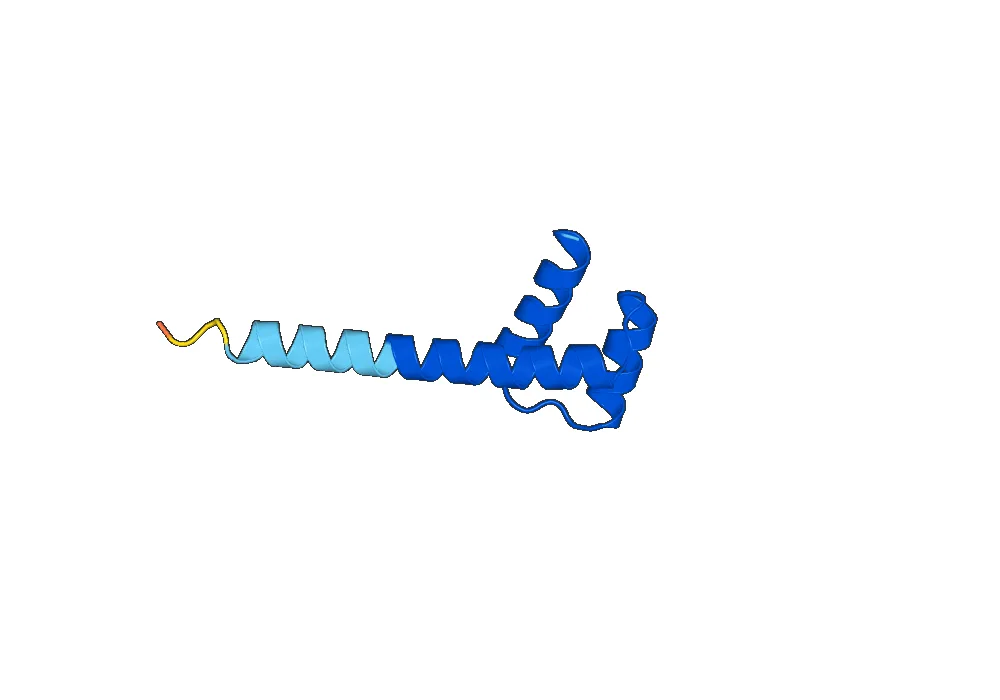
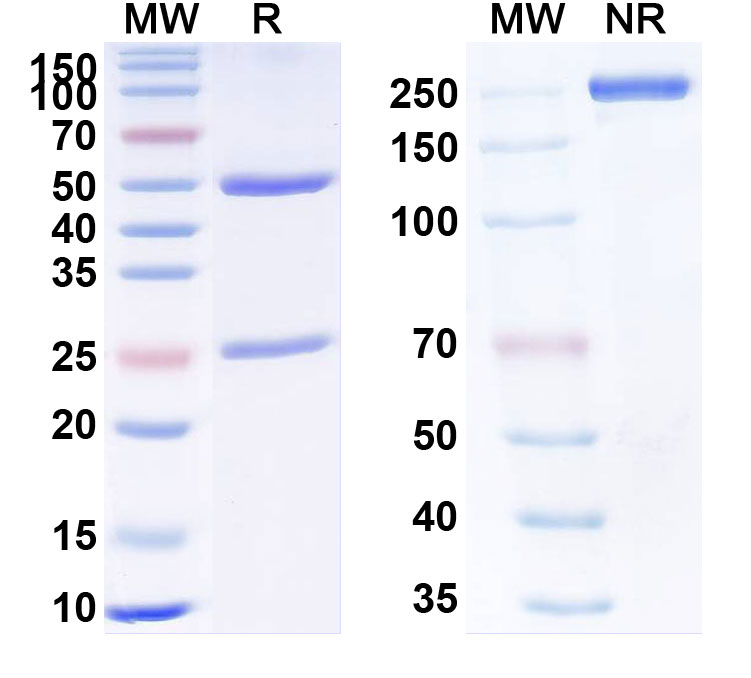
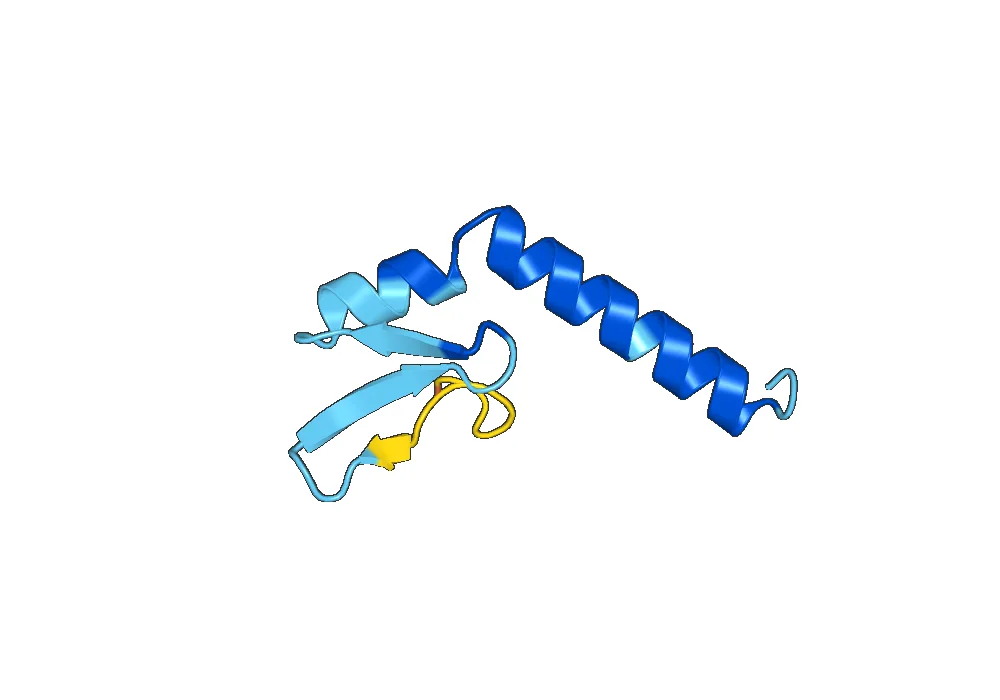
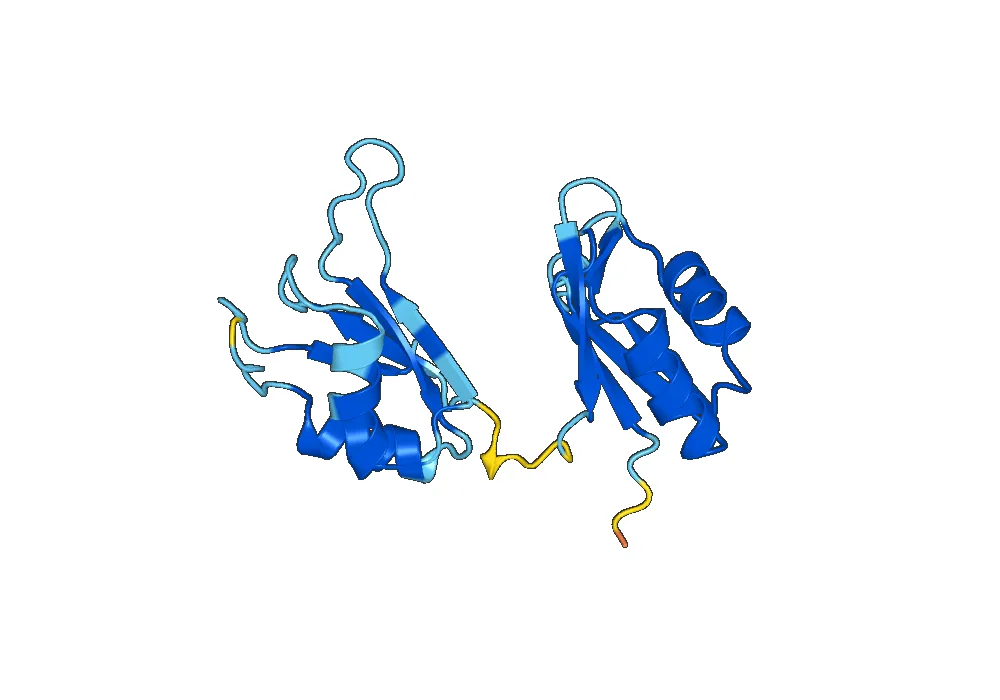
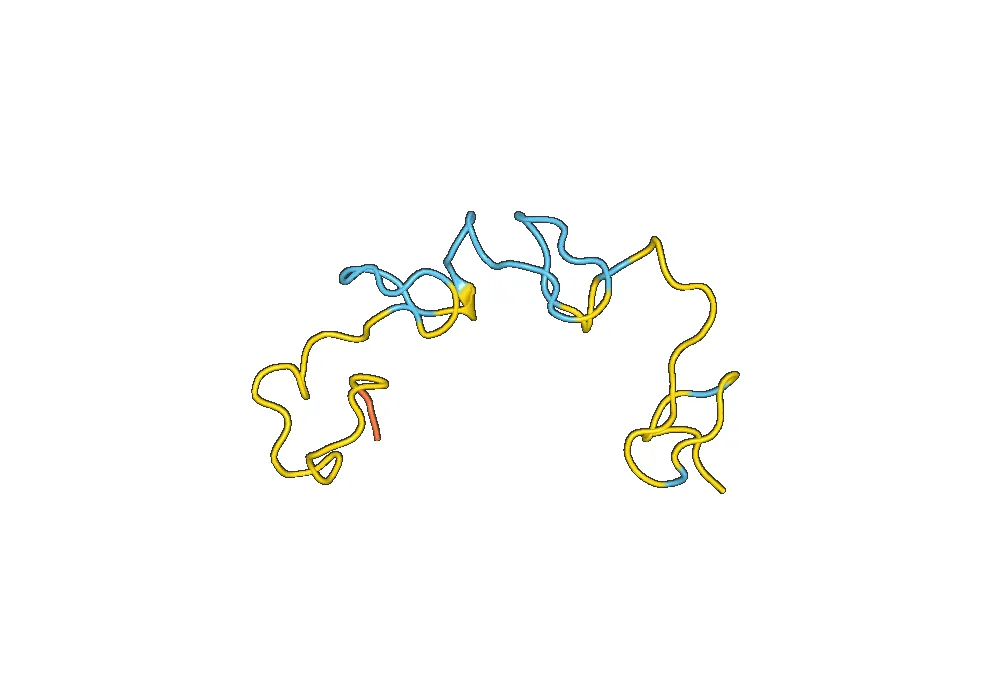
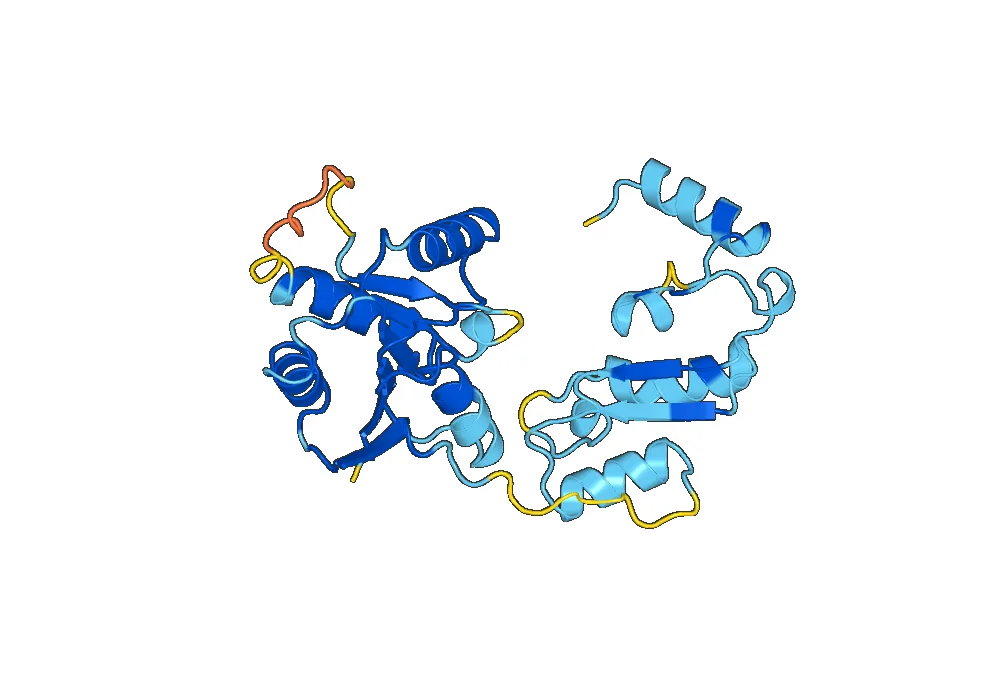
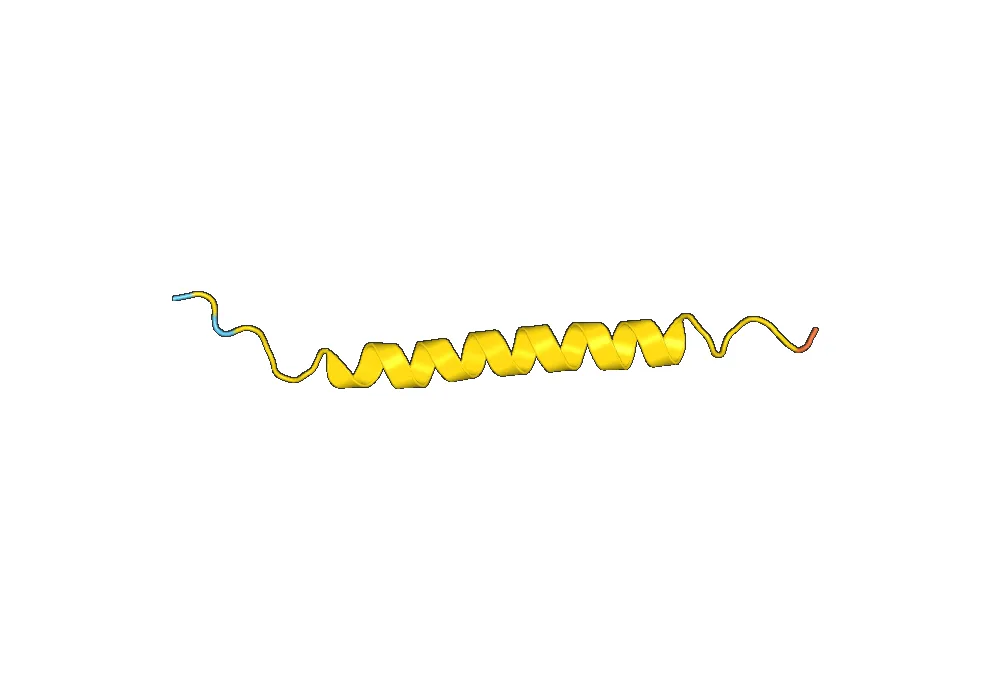
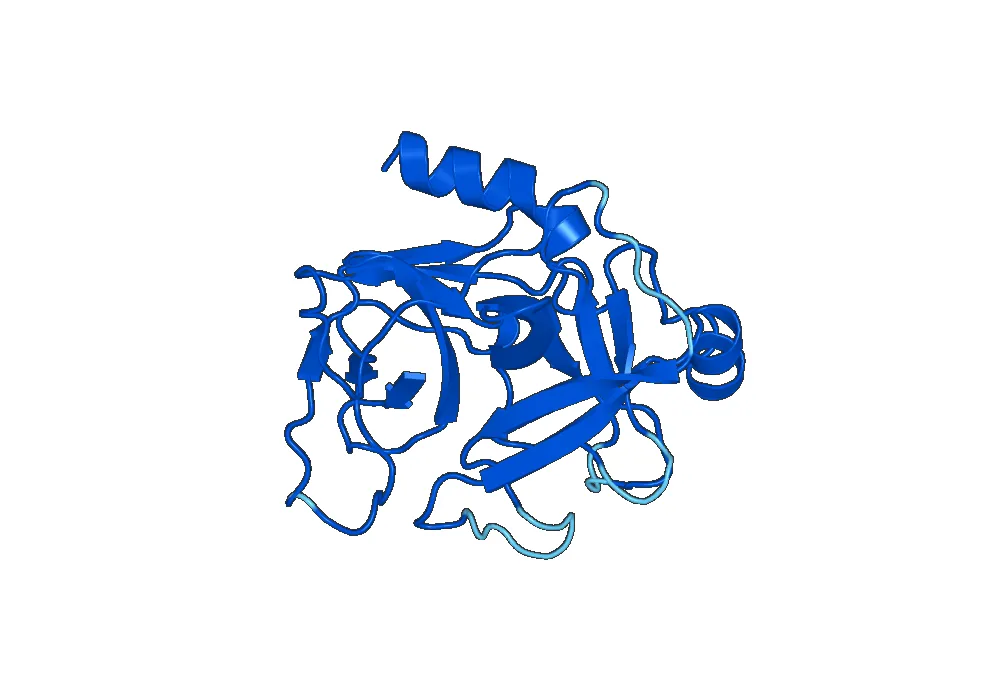
rPHOX2B is a 46 kDa protein that is encoded by the PHOX2B gene located on chromosome 4. It is composed of 314 amino acids and contains a DNA-binding domain, a dimerization domain, and a transactivation domain. The DNA-binding domain allows rPHOX2B to bind to specific DNA sequences, while the dimerization domain facilitates the formation of dimers, which are necessary for its transcriptional activity. The transactivation domain is responsible for activating the expression of target genes.
Activity of rPHOX2B
rPHOX2B is primarily expressed in the central and peripheral nervous systems during embryonic development. It is involved in the development of the autonomic nervous system, including the sympathetic and parasympathetic nervous systems. It regulates the expression of various genes involved in the differentiation and maintenance of neurons, as well as the development of neural crest cells. Additionally, rPHOX2B has been shown to play a role in the regulation of breathing and gastrointestinal function.
Regulation of gene expression
rPHOX2B functions as a transcription factor, binding to specific DNA sequences and regulating the expression of target genes. It has been shown to activate the expression of genes involved in neuronal differentiation, such as dopamine beta-hydroxylase and tyrosine hydroxylase. It also plays a role in the development of the enteric nervous system by regulating the expression of genes involved in the migration and differentiation of enteric neurons.
Role in neuronal survival
In addition to its role in neuronal differentiation, rPHOX2B is also essential for the survival of neurons. Studies have shown that mutations in the PHOX2B gene can lead to a rare neurodevelopmental disorder called congenital central hypoventilation syndrome (CCHS). This disorder is characterized by a lack of autonomic control of breathing, and it has been linked to a decrease in rPHOX2B activity, leading to decreased neuronal survival.
Application of rPHOX2B
The unique structure and activity of rPHOX2B make it a valuable tool in various fields of research, including neuroscience and developmental biology. Its role in the development and function of the nervous system makes it a potential target for therapeutic interventions in neurodevelopmental disorders.
Research tool
rPHOX2B is commonly used as a research tool to study the development and function of the autonomic nervous system. Its ability to regulate gene expression and promote neuronal survival makes it a valuable tool for understanding the underlying mechanisms of neurodevelopmental disorders.
Potential therapeutic target
The dysregulation of rPHOX2B has been linked to various neurodevelopmental disorders, including CCHS and Hirschsprung’s disease. Therefore, targeting rPHOX2B could potentially be a therapeutic strategy for these disorders. Additionally, its role in the regulation of breathing and gastrointestinal function makes it a potential target for the treatment of respiratory and digestive disorders.
Production of recombinant protein
Recombinant Human PHOX2B Protein is produced using recombinant DNA technology, where the PHOX2B gene is inserted into a host cell and expressed to produce the protein. This allows for the large-scale production of rPHOX2B for research and potential therapeutic use.
Conclusion
In summary, rPHOX2B is a crucial protein involved in the development and function of the autonomic nervous system. Its unique structure and activity make it a valuable

There are no reviews yet.