Introduction
Recombinant proteins have become an indispensable tool in biomedical research due to their ability to mimic natural proteins and perform specific functions. One such protein is the Recombinant Human CCNDBP1 Protein, also known as DIPS. In this article, we will explore the structure, activity, and applications of this versatile protein in detail.
Structure of Recombinant Human CCNDBP1 Protein
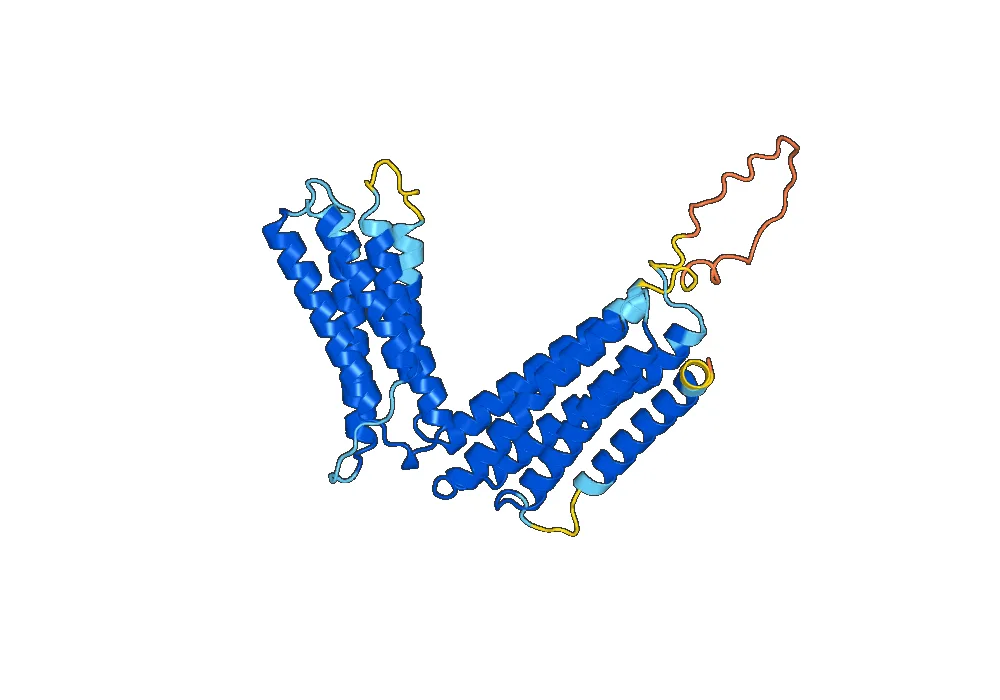
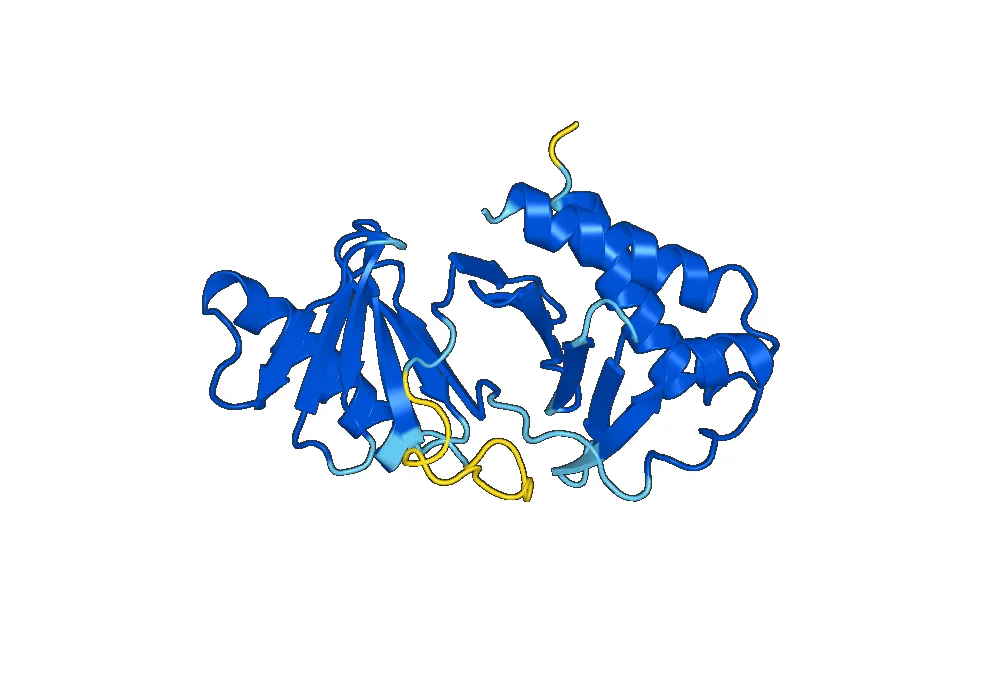
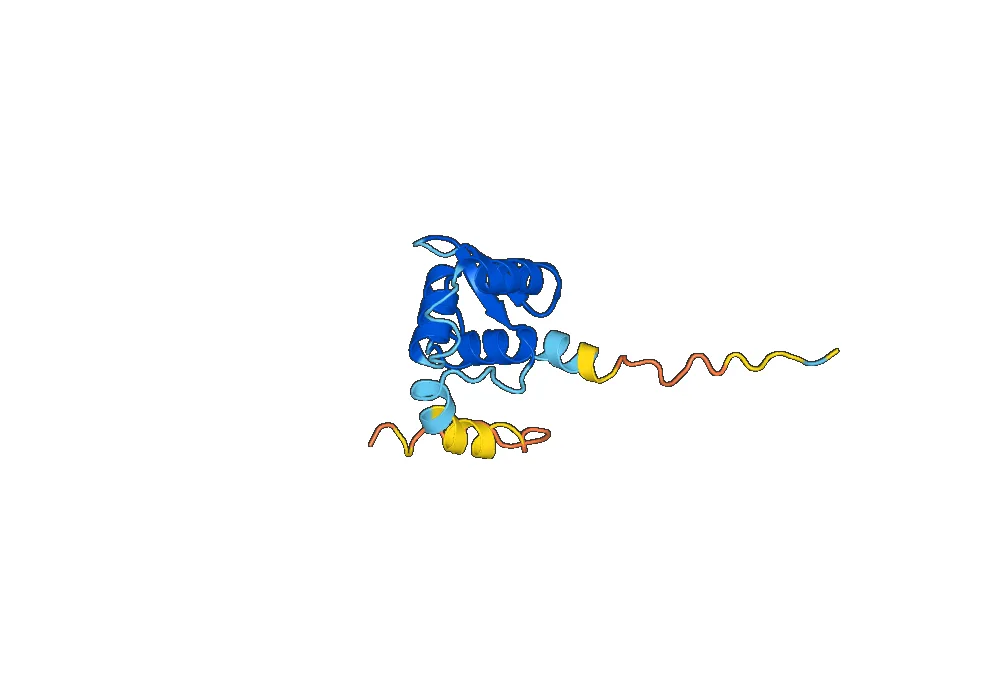
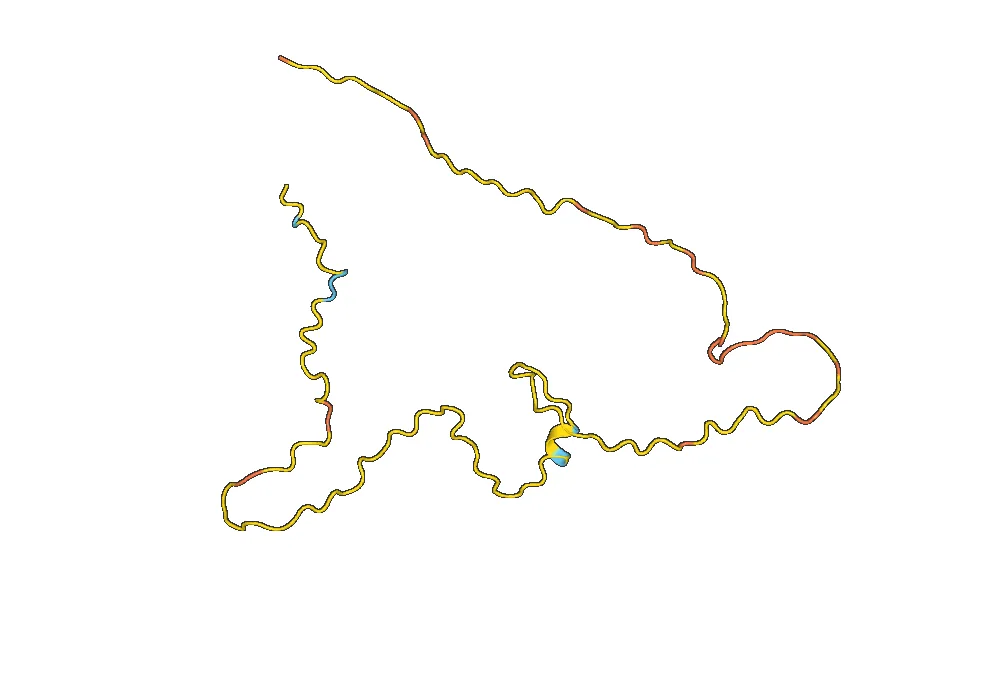
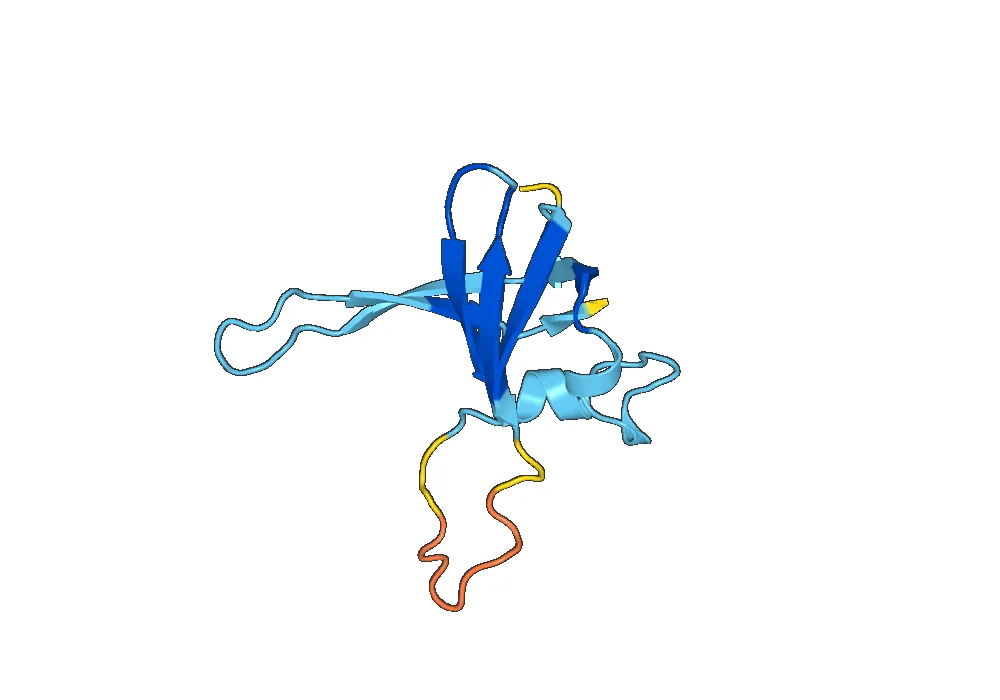
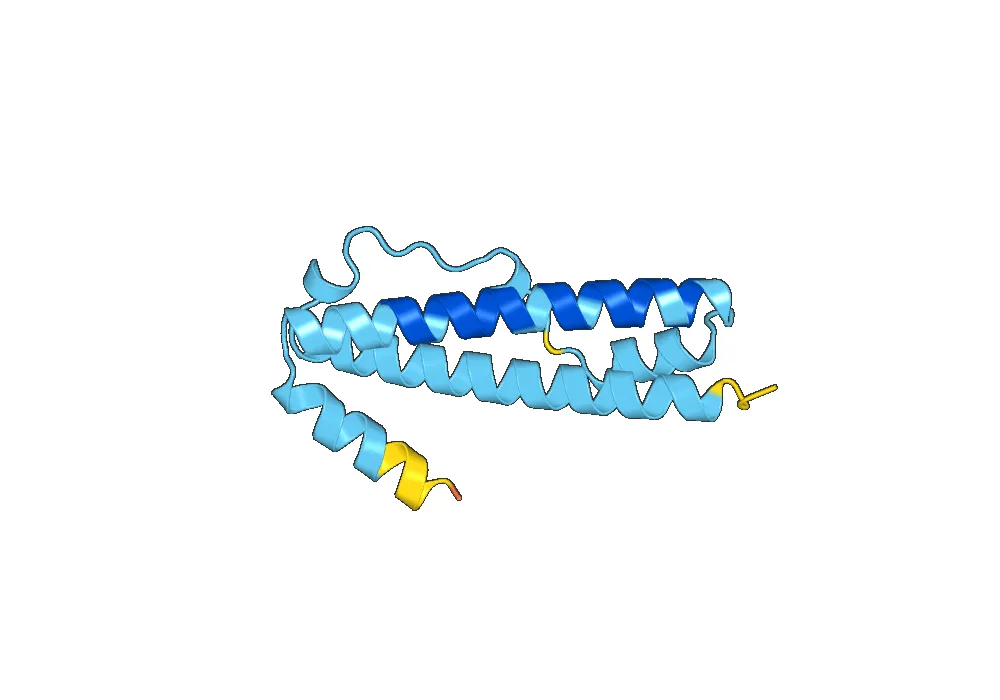
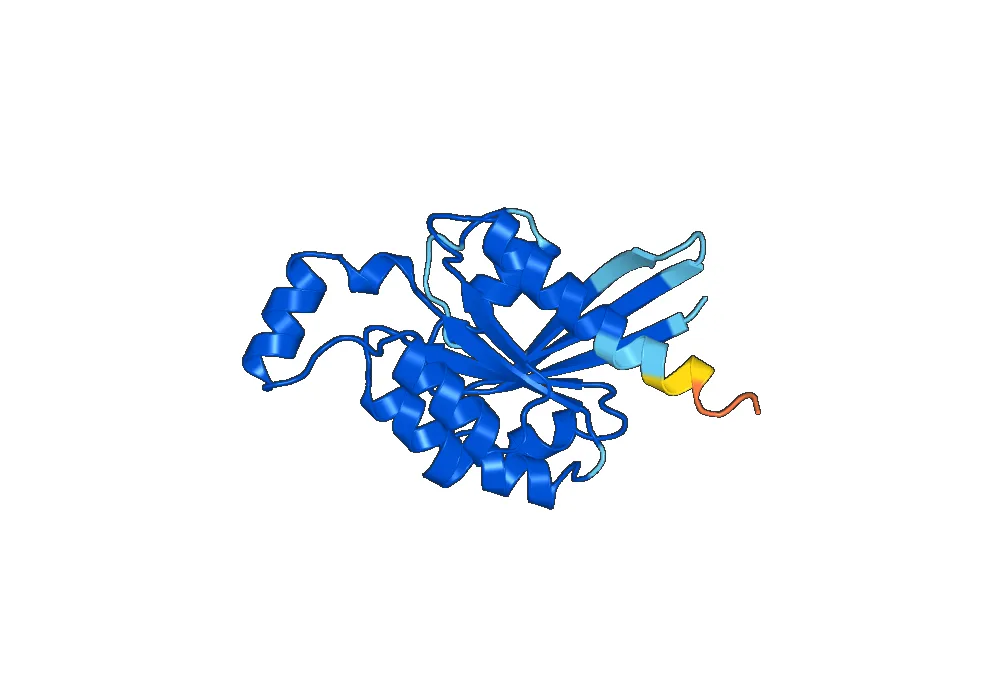
The Recombinant Human CCNDBP1 Protein is a 25 kDa protein consisting of 226 amino acids. It belongs to the CCN (Cyr61, CTGF, Nov) family of proteins and is also known as DIPS (DNA damage-inducible transcript 4-interacting protein). The protein has a conserved cysteine-rich domain and four modules: insulin-like growth factor binding protein (IGFBP), von Willebrand factor type C repeat (VWC), thrombospondin type 1 repeat (TSP1), and a C-terminal domain (CT). These modules play a crucial role in the protein’s function and interactions with other molecules.
Activity of Recombinant Human CCNDBP1 Protein
The Recombinant Human CCNDBP1 Protein is involved in various cellular processes, including cell proliferation, differentiation, and apoptosis. It interacts with multiple proteins and modulates their activity, thus regulating various signaling pathways. One of its essential functions is its role in DNA damage response. The protein is rapidly induced upon DNA damage and interacts with p53, a tumor suppressor protein, to activate its transcriptional activity. This interaction also leads to cell cycle arrest and apoptosis, thereby preventing the propagation of damaged cells.
Moreover, the Recombinant Human CCNDBP1 Protein has been shown to interact with other proteins involved in DNA repair, such as BRCA1 and RAD51. This interaction enhances the efficiency of DNA repair and promotes cell survival. Additionally, the protein has been found to regulate the activity of various transcription factors, including NF-κB and AP-1, which play critical roles in inflammation and immune response.
Applications of Recombinant Human CCNDBP1 Protein
Due to its diverse functions, the Recombinant Human CCNDBP1 Protein has numerous applications in biomedical research. One of its primary uses is in cancer research. The protein’s involvement in DNA damage response and cell cycle regulation makes it a potential target for cancer therapy. Its interaction with p53 and other DNA repair proteins also makes it a valuable biomarker for monitoring cancer progression and treatment response.
The Recombinant Human CCNDBP1 Protein has also been studied in the context of other diseases, such as cardiovascular diseases and neurodegenerative disorders. Its role in regulating inflammation and immune response makes it a potential therapeutic target for these conditions. Furthermore, the protein’s interaction with insulin-like growth factors and its involvement in cell proliferation and differentiation make it a promising candidate for studying metabolic disorders and tissue regeneration.
In addition to its applications in disease research, the Recombinant Human CCNDBP1 Protein has also been used in biotechnology. It has been successfully expressed in various expression systems, including bacteria, yeast, and mammalian cells, to produce large quantities of the protein for research and industrial purposes. Its ability to interact with multiple proteins also makes it a useful tool for studying protein-protein interactions and drug discovery.
Conclusion
The Recombinant Human CCNDBP1 Protein, with its unique structure and diverse functions, has proven to be an invaluable tool in biomedical research. Its involvement in DNA damage response, cell cycle regulation, and interactions with various proteins make it a potential target for cancer therapy and a biomarker for disease monitoring. Its applications extend beyond disease research and have also found use in biotechnology. With ongoing research, the


There are no reviews yet.