Introduction
Recombinant Human ACD Protein, also known as Antigen CD, is a widely used recombinant protein in the field of immunology. This protein is produced through recombinant DNA technology, allowing for precise control over its structure and function. In this article, we will delve into the structure, activity, and applications of Recombinant Human ACD Protein.
Structure of Recombinant Human ACD Protein
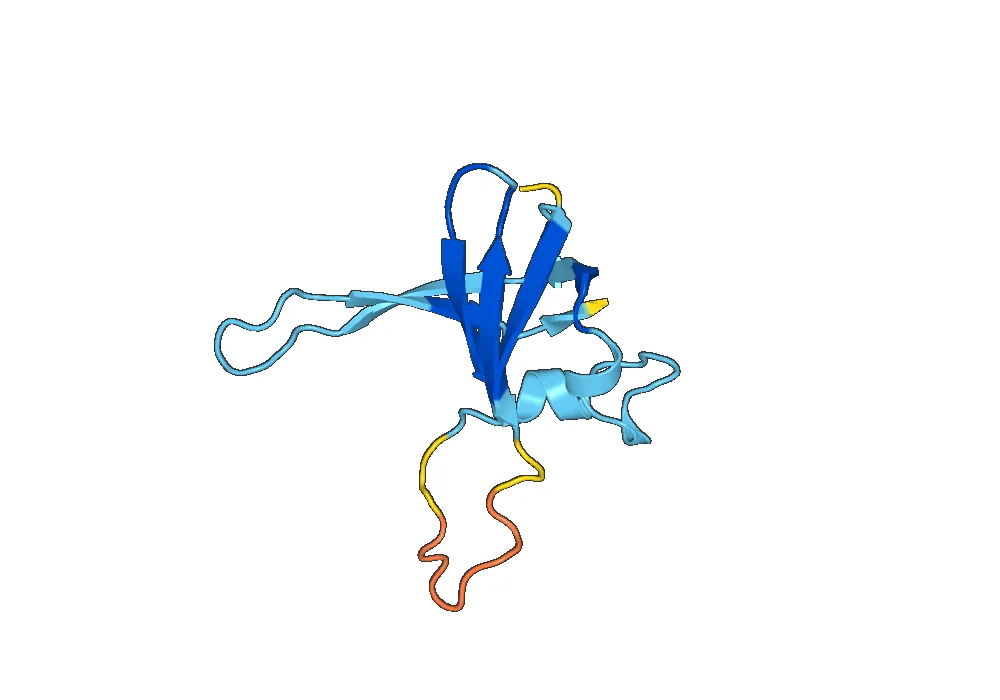
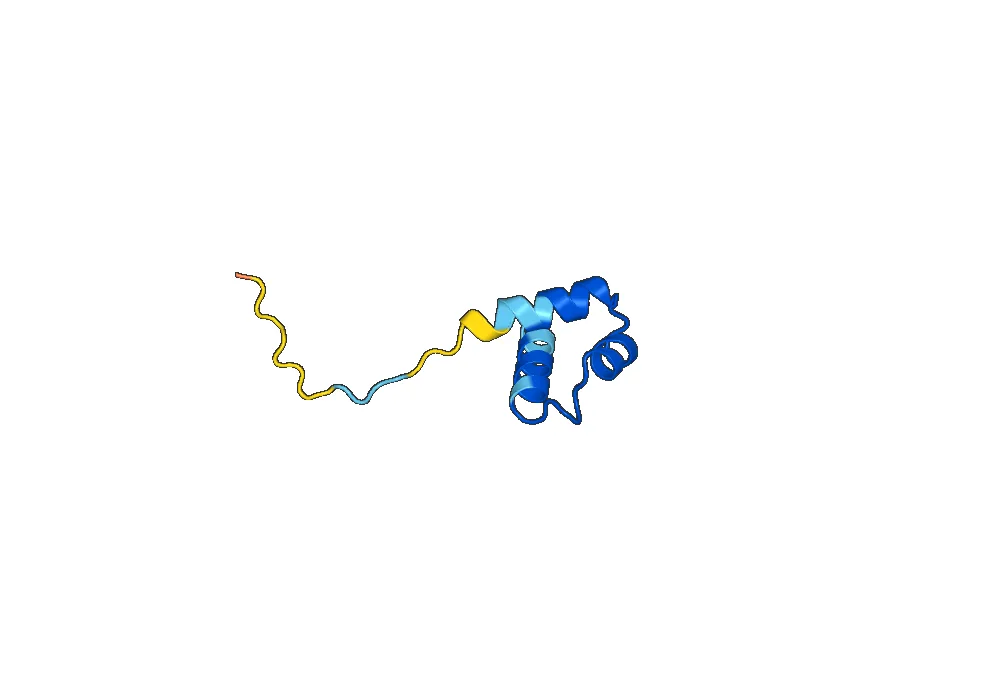
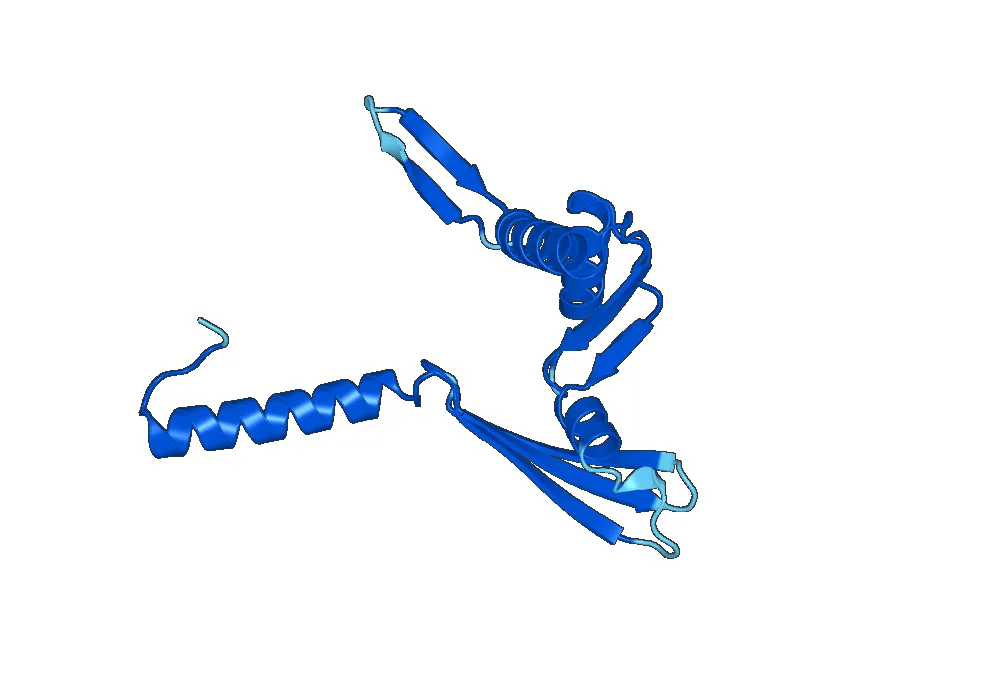
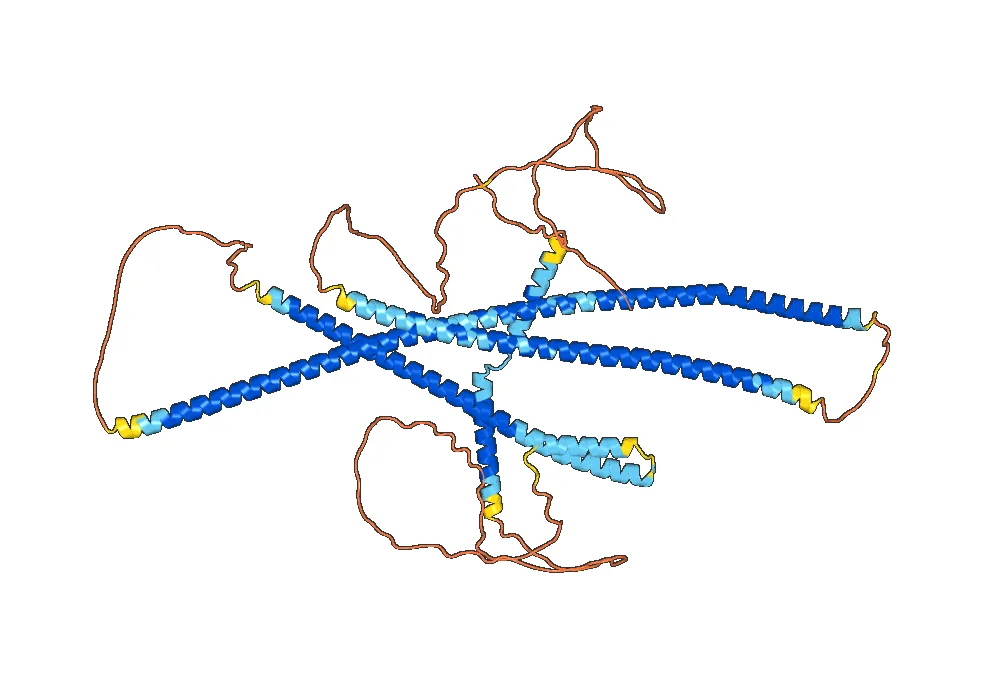
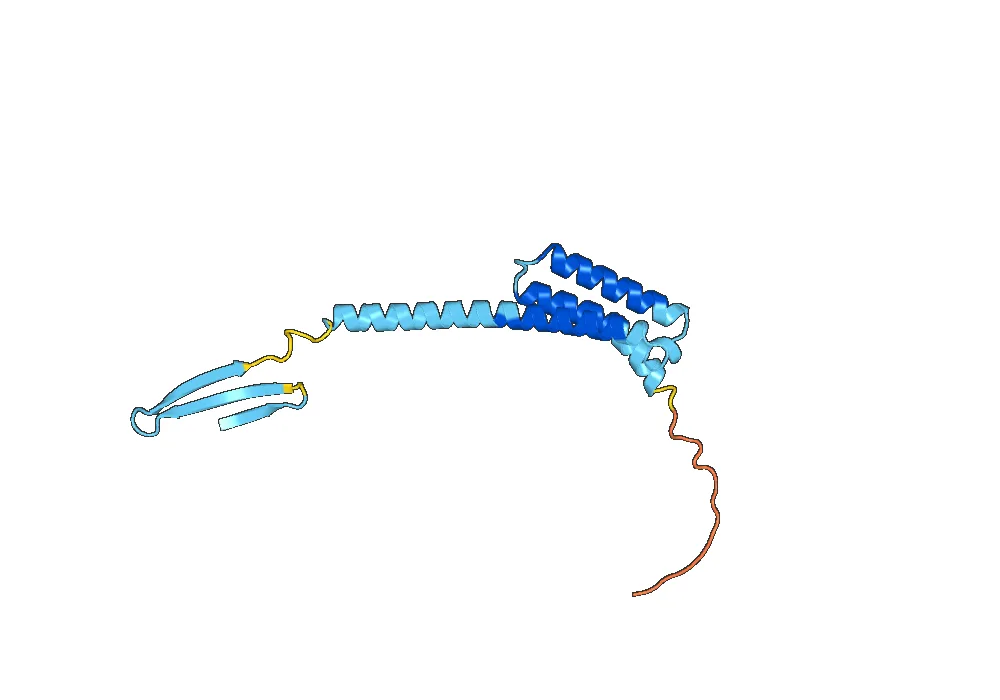
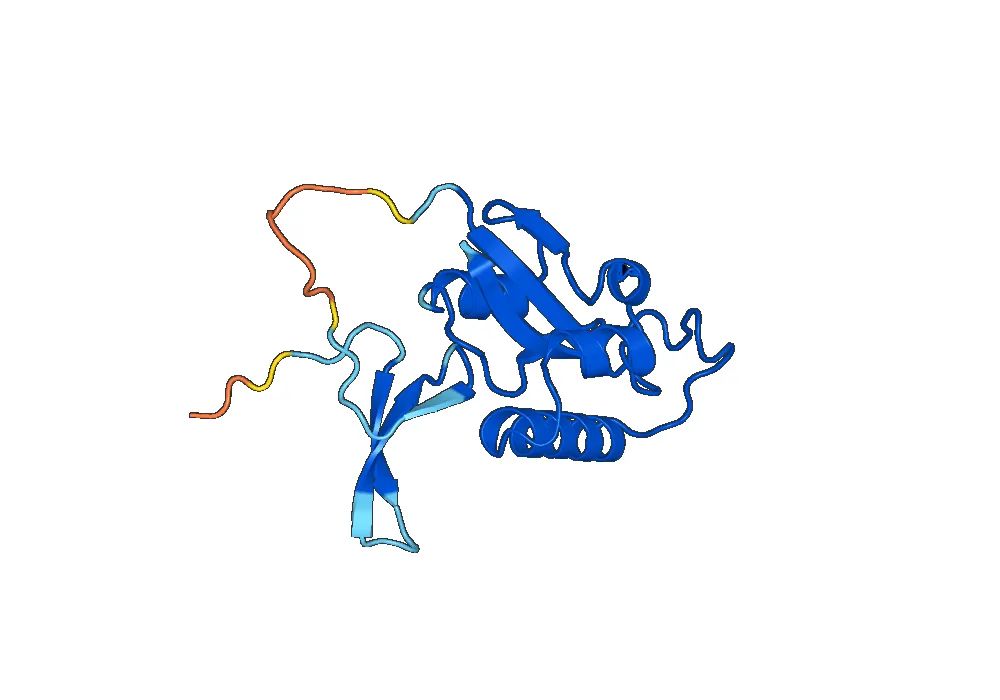
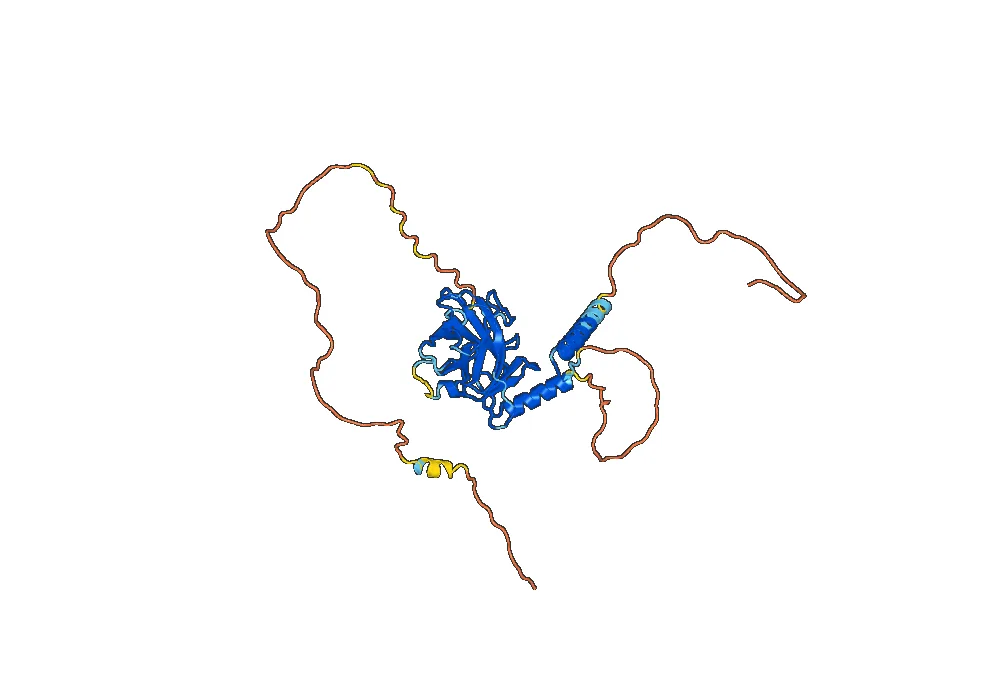
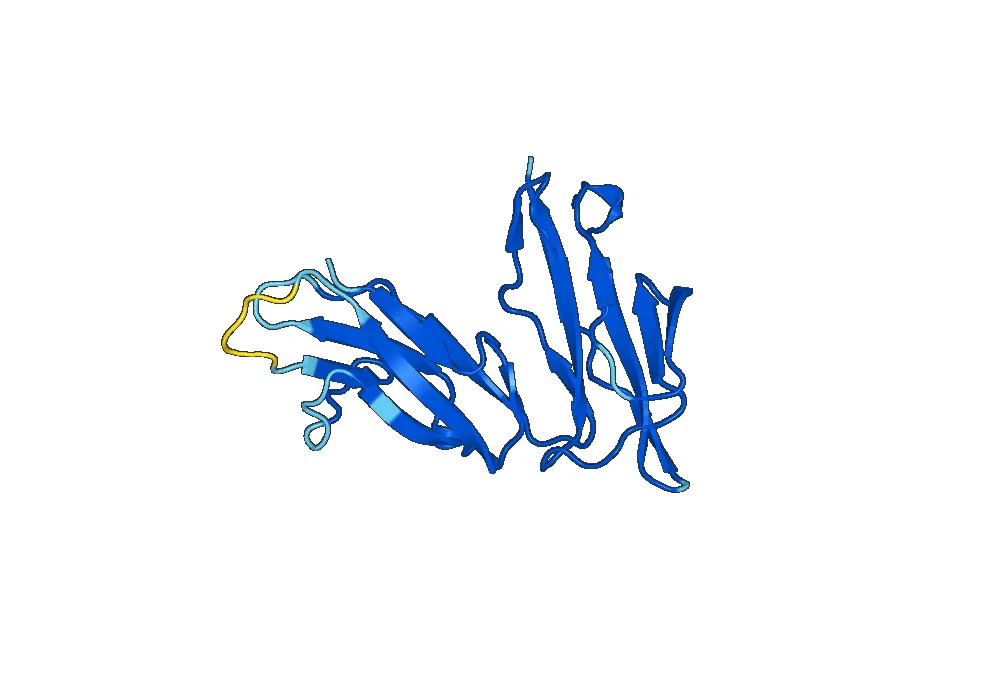
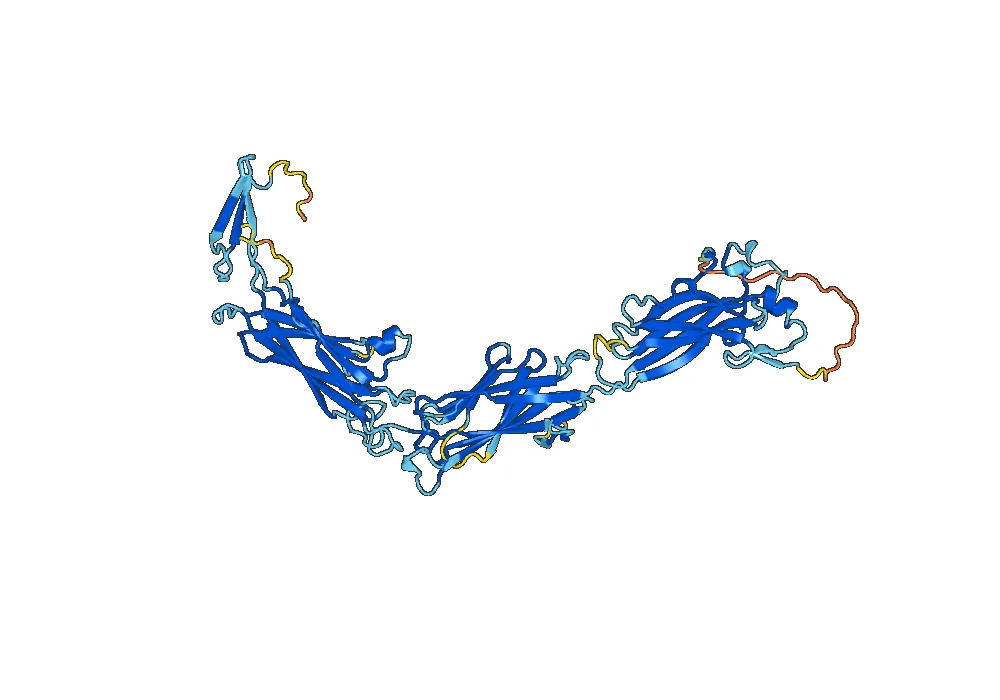
Recombinant Human ACD Protein is a glycoprotein composed of 214 amino acids. It has a molecular weight of approximately 24 kDa and is composed of three domains: an extracellular domain, a transmembrane domain, and an intracellular domain. The extracellular domain contains the antigenic sites, which are responsible for the protein’s immunogenicity. The transmembrane domain anchors the protein to the cell membrane, while the intracellular domain is involved in signal transduction.
Activity of Recombinant Human ACD Protein
The primary function of Recombinant Human ACD Protein is to act as an antigen. It is expressed on the surface of antigen-presenting cells, such as dendritic cells, macrophages, and B cells. These cells play a crucial role in the adaptive immune response by presenting antigens to T cells. Recombinant Human ACD Protein binds to the T cell receptor and initiates a signaling cascade, leading to the activation and proliferation of T cells. This process is essential for the development of an effective immune response against pathogens and foreign substances.
In addition to its role as an antigen, Recombinant Human ACD Protein also has other activities. It has been shown to have anti-inflammatory properties by inhibiting the production of pro-inflammatory cytokines and promoting the production of anti-inflammatory cytokines. This makes it a potential therapeutic target for inflammatory diseases.
Applications of Recombinant Human ACD Protein
Recombinant Human ACD Protein has a wide range of applications in both research and clinical settings. Its ability to activate T cells makes it a valuable tool in studying the immune system and its response to different antigens. It is also used in vaccine development, as it can be used to induce an immune response against specific antigens.
In the clinical setting, Recombinant Human ACD Protein has shown promise as a potential treatment for certain types of cancer. Its ability to activate T cells can be harnessed to target and kill cancer cells. It has also been studied for its potential use in autoimmune diseases, as it can regulate the immune response and prevent excessive inflammation.
Furthermore, Recombinant Human ACD Protein has been used in diagnostic tests to detect the presence of specific antibodies in patient samples. This is particularly useful in the diagnosis of infectious diseases, as well as in monitoring the immune response to vaccines.
Conclusion
In summary, Recombinant Human ACD Protein is a versatile and valuable protein in the field of immunology. Its precise structure and ability to activate T cells make it a crucial component in the immune response against pathogens and foreign substances. Its potential applications in research and clinical settings make it a promising target for further study and development.
Keywords: Recombinant Human ACD Protein, antigen, recombinant protein, immunology, immune response, T cells, vaccine, cancer, autoimmune diseases, diagnostic tests.
There are no reviews yet.