Introduction
Recombinant Human ANO1 protein, also known as Anoctamin-1, is a calcium-activated chloride channel that is encoded by the ANO1 gene. This protein is expressed in various tissues, including the gastrointestinal tract, respiratory tract, and reproductive organs. It plays a crucial role in regulating chloride transport across cell membranes, which is essential for maintaining proper physiological functions. In this article, we will discuss the structure, activity, and applications of Recombinant Human ANO1 Protein.
Structure of Recombinant Human ANO1 Protein
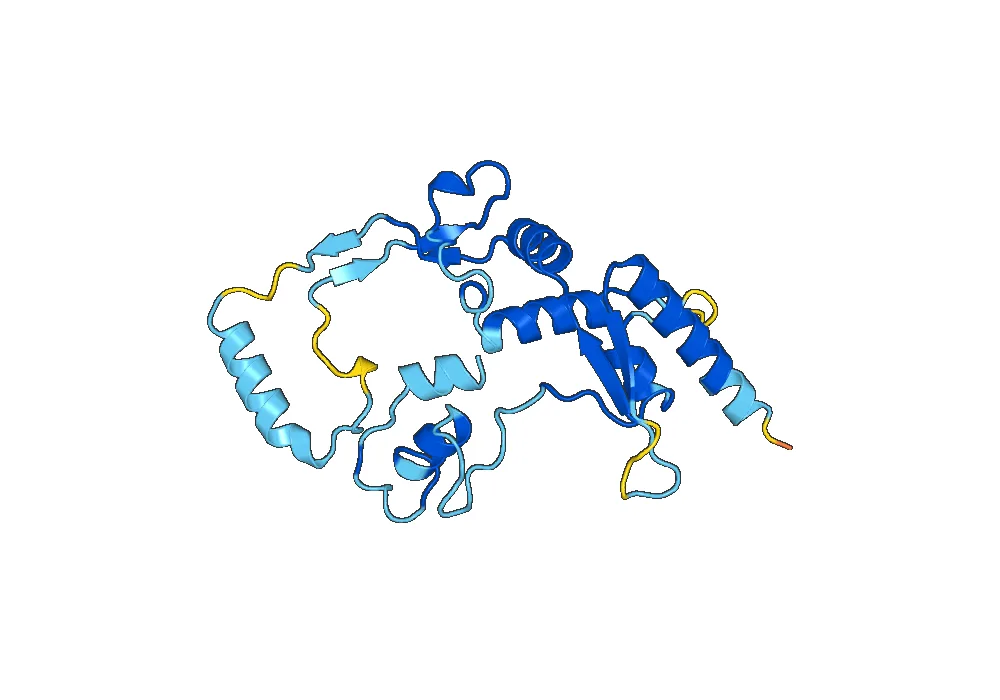
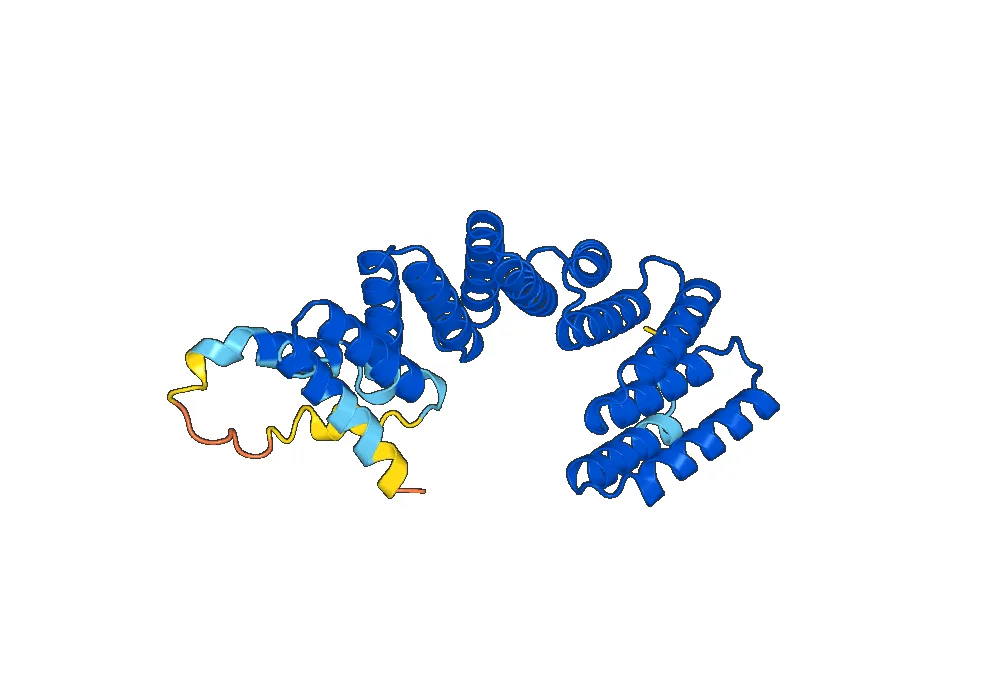
The ANO1 gene encodes a protein of 940 amino acids, which undergoes post-translational modifications to form the functional ANO1 protein. The protein consists of eight transmembrane domains, with both the N- and C-termini located in the cytoplasm. The transmembrane domains are connected by intracellular and extracellular loops, which are important for channel gating and regulation. The protein also contains a large cytoplasmic domain, which is responsible for its calcium sensitivity.
Activity of Recombinant Human ANO1 Protein
Recombinant Human ANO1 protein is a calcium-activated chloride channel, which means it opens in response to an increase in intracellular calcium levels. This channel allows the flow of chloride ions out of the cell, which helps to maintain the electrical balance across the cell membrane. The activity of ANO1 protein is regulated by various factors, including pH, membrane potential, and phosphorylation. Dysregulation of ANO1 activity has been linked to various diseases, such as cystic fibrosis, hypertension, and cancer.
Applications of Recombinant Human ANO1 Protein
Recombinant Human ANO1 protein has several applications in both research and clinical settings. Here are some of the key applications of this protein:
1. Drug Development
As ANO1 protein plays a crucial role in various diseases, it has been identified as a potential therapeutic target. Recombinant Human ANO1 protein can be used in drug screening assays to identify compounds that can modulate its activity. This can lead to the development of new drugs for diseases such as cystic fibrosis, asthma, and hypertension.
2. Functional Studies
Recombinant Human ANO1 protein can also be used in functional studies to understand its role in different physiological processes. This can be achieved by overexpressing or silencing the ANO1 gene in cells and observing the effects on chloride transport and other cellular functions. These studies can provide valuable insights into the role of ANO1 in various diseases and potential therapeutic interventions.
3. Antibody Production
Recombinant Human ANO1 protein can be used as an antigen to produce specific antibodies for research and diagnostic purposes. These antibodies can be used to detect ANO1 expression in tissues and cells, as well as to study its localization and function.
4. Gene Therapy
Defects in the ANO1 gene have been linked to various diseases, making it a potential target for gene therapy. Recombinant Human ANO1 protein can be used to replace the defective protein in cells, restoring its function and potentially treating the disease.
5. Biomarker Discovery
Several studies have shown that ANO1 expression is altered in various cancers, making it a potential biomarker for cancer diagnosis and prognosis. Recombinant Human ANO1 protein can be used to develop diagnostic tests for these cancers, as well as to identify potential therapeutic targets.
Conclusion
In conclusion, Recombinant Human ANO1 protein is a crucial calcium-activated chloride channel with various physiological functions. Its structure and activity have been extensively studied, and it has several applications in drug development, functional studies, antibody production, gene therapy, and biomarker discovery. Further research on this protein can lead to a better understanding of its role in disease and the development of novel


There are no reviews yet.