Introduction
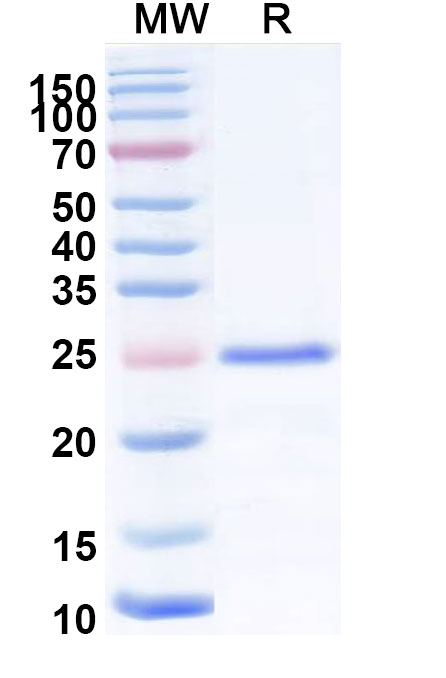
Recombinant human PRRT1 protein is a type of recombinant protein that has been genetically engineered in order to mimic the natural human PRRT1 protein. This protein plays a crucial role in various biological processes, including cell growth and differentiation, and is also involved in the development of certain diseases. In this article, we will discuss the structure, activity, and applications of recombinant human PRRT1 protein.
Structure of Recombinant Human PRRT1 Protein
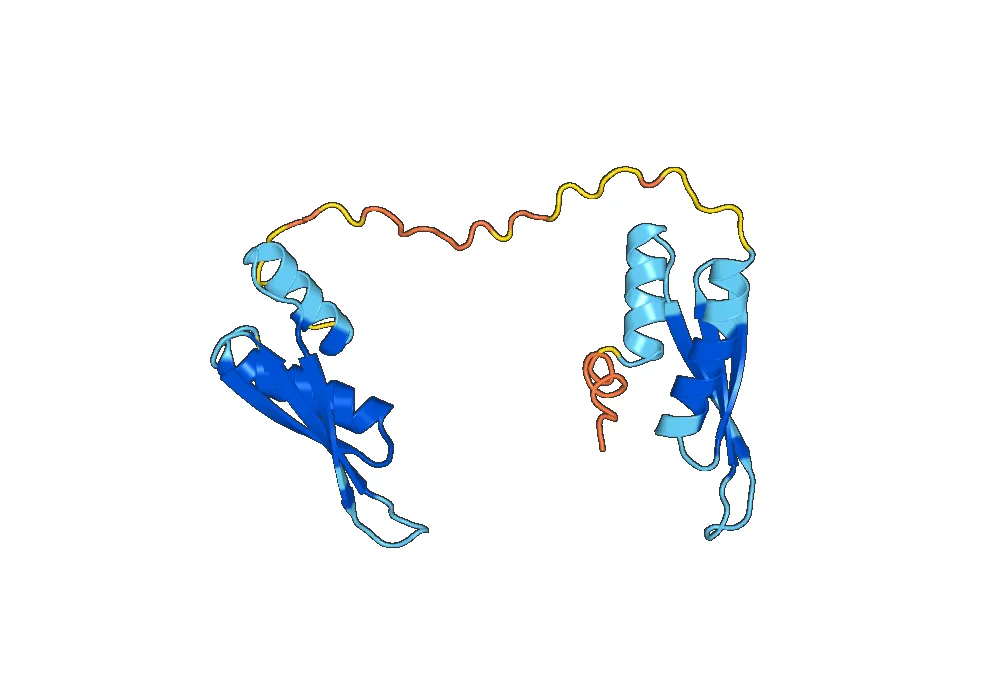
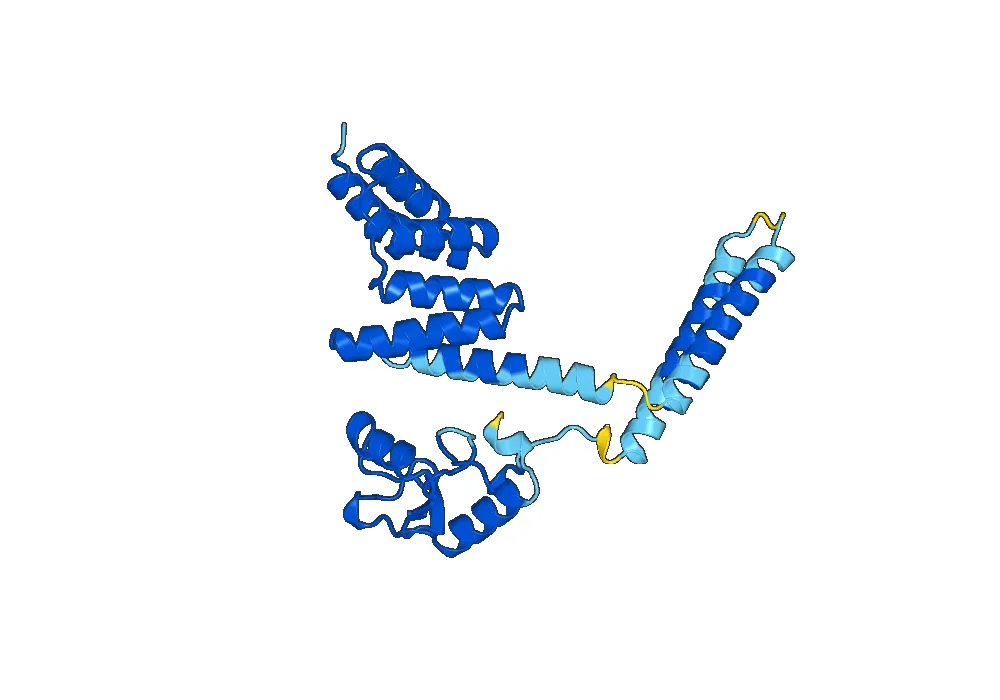
Recombinant human PRRT1 protein is a 283 amino acid long protein that belongs to the proline-rich transmembrane protein family. It is composed of a signal peptide, a proline-rich extracellular domain, a transmembrane domain, and a cytoplasmic domain. The extracellular domain contains a high number of proline residues, which are important for protein-protein interactions. The transmembrane domain anchors the protein to the cell membrane, while the cytoplasmic domain is responsible for intracellular signaling.
Activity of Recombinant Human PRRT1 Protein
Recombinant human PRRT1 protein has been shown to have multiple activities in various biological processes. It is primarily involved in cell growth and differentiation, as it has been found to promote the proliferation of progenitor cells and inhibit the differentiation of adipocytes. This protein is also involved in cell adhesion and migration, as it interacts with other proteins on the cell surface to facilitate cell movement.
In addition, recombinant human PRRT1 protein has been found to play a role in the development of certain diseases. Studies have shown that this protein is overexpressed in certain types of cancer, such as breast cancer and melanoma, and may contribute to tumor growth and metastasis. It has also been implicated in the pathogenesis of autoimmune diseases, as it has been found to be overexpressed in the synovium of patients with rheumatoid arthritis.
Application of Recombinant Human PRRT1 Protein
Recombinant human PRRT1 protein has a wide range of potential applications in both research and therapeutic settings. One of the main applications of this protein is in the study of cell growth and differentiation. Its ability to promote cell proliferation and inhibit differentiation makes it a valuable tool for studying these processes in vitro.
In addition, recombinant human PRRT1 protein has potential therapeutic applications. As it is involved in the development of certain diseases, targeting this protein could potentially lead to the development of new treatments for cancer and autoimmune diseases. In fact, there are ongoing clinical trials investigating the use of recombinant human PRRT1 protein as a potential therapeutic target for breast cancer and rheumatoid arthritis.
Furthermore, recombinant human PRRT1 protein has potential diagnostic applications. As it is overexpressed in certain types of cancer, measuring the levels of this protein in patient samples could serve as a biomarker for early detection and monitoring of disease progression. This could lead to earlier diagnosis and improved treatment outcomes for patients.
Conclusion
Recombinant human PRRT1 protein is a genetically engineered protein that has multiple important roles in various biological processes. Its structure, activity, and potential applications make it a valuable tool for both research and therapeutic purposes. Further studies on this protein could potentially lead to the development of new treatments and diagnostic tools for diseases such as cancer and autoimmune disorders.


There are no reviews yet.