Structure of Recombinant Human ADSS2 Protein
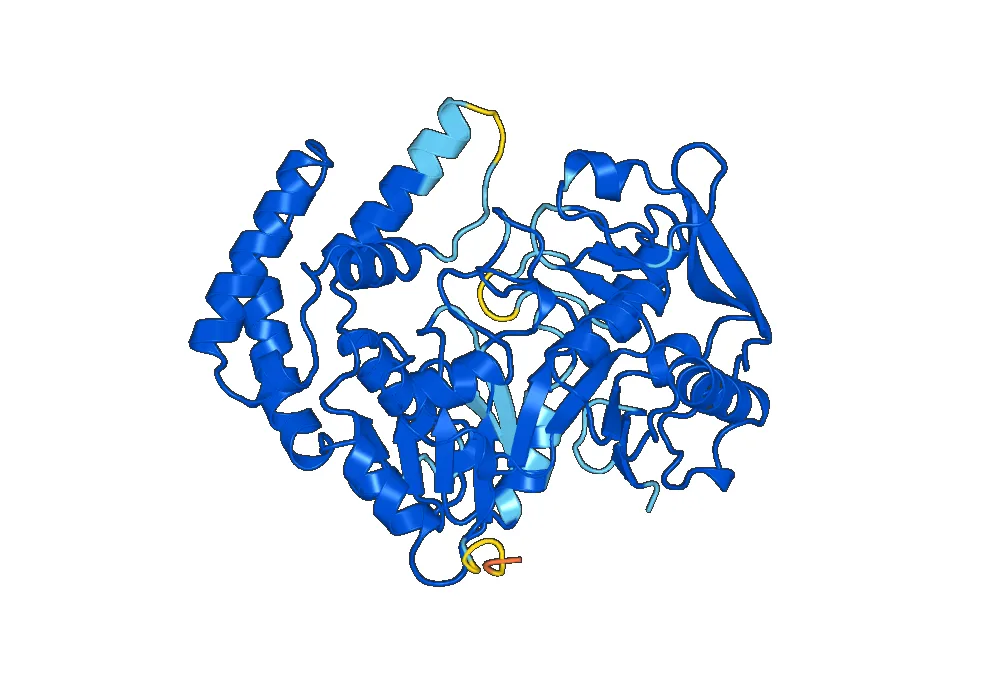
Recombinant Human ADSS2 Protein is a type of protein that is produced through genetic engineering techniques, specifically through the process of recombinant DNA technology. This protein is a variant of the naturally occurring human ADSS2 protein and is produced in a laboratory setting. The structure of this recombinant protein is identical to that of the natural protein, making it a highly effective and safe alternative for various applications.
The ADSS2 protein is a dimer, meaning it consists of two identical subunits that are held together by non-covalent bonds. Each subunit is made up of 708 amino acids and has a molecular weight of approximately 79 kDa. The overall structure of the protein is globular, with a central core surrounded by various loops and helices. The protein also contains several functional domains, including an ATP-binding domain and a catalytic domain, which play important roles in its activity.
Activity of Recombinant Human ADSS2 Protein
The primary function of ADSS2 protein is to catalyze the conversion of adenosine monophosphate (AMP) and aspartate into adenylosuccinate, an important intermediate in the biosynthesis of purine nucleotides. This process is essential for the production of DNA and RNA, as well as for energy metabolism in cells. The activity of ADSS2 protein is regulated by various factors, including the availability of substrates and the presence of other enzymes in the pathway.
The recombinant form of ADSS2 protein has been shown to have similar activity to the natural protein, making it a valuable tool for studying the function and regulation of this enzyme. It has also been used in various biochemical and biotechnological applications, such as in the production of nucleotides for research purposes and in the development of new drugs for the treatment of diseases related to purine metabolism.
Application of Recombinant Human ADSS2 Protein
Recombinant Human ADSS2 Protein has a wide range of applications in both research and industrial settings. One of its main uses is in the production of nucleotides, which are essential building blocks for DNA and RNA synthesis. The recombinant protein is used to catalyze the conversion of AMP and aspartate into adenylosuccinate, which can then be further processed into various nucleotides.
Another important application of recombinant ADSS2 protein is in the development of new drugs for the treatment of diseases related to purine metabolism. This enzyme plays a crucial role in the regulation of purine biosynthesis, and its malfunction has been linked to various disorders, including gout, Lesch-Nyhan syndrome, and certain types of cancer. By studying the structure and activity of recombinant ADSS2 protein, researchers can gain a better understanding of these diseases and potentially develop new treatments.
Additionally, recombinant ADSS2 protein has been used in various biotechnological processes, such as in the production of genetically modified organisms and in the development of new diagnostic tools. Its stable structure and high activity make it a valuable tool for these applications.
Conclusion
In conclusion, Recombinant Human ADSS2 Protein is a highly valuable protein that is produced through recombinant DNA technology. It has a similar structure and activity to the natural protein and has a wide range of applications in research and industry. Its role in purine metabolism and its potential for drug development make it an important target for further studies. With ongoing advancements in genetic engineering techniques, the use of recombinant proteins like ADSS2 is expected to continue to grow and contribute to various scientific breakthroughs.

There are no reviews yet.