Introduction
Recombinant proteins, also known as genetically engineered proteins, are proteins that are produced through the use of recombinant DNA technology. These proteins have a wide range of applications in various fields such as medicine, biotechnology, and research. One such protein is Recombinant Human ADIPOR2, which has gained significant attention in recent years due to its unique structure and potential therapeutic applications.
Structure of Recombinant Human ADIPOR2
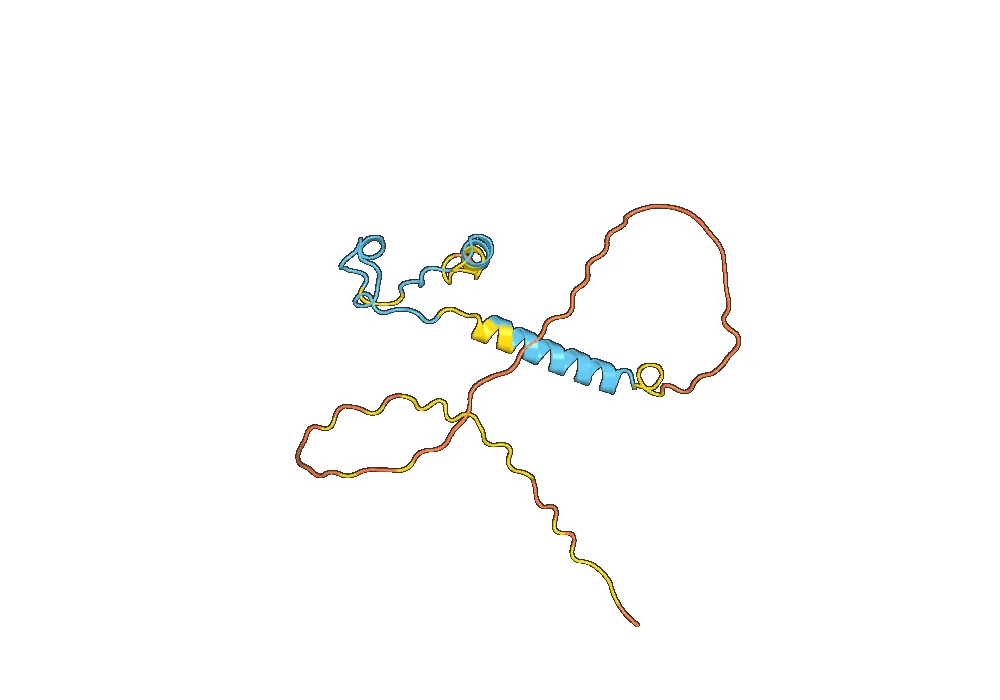
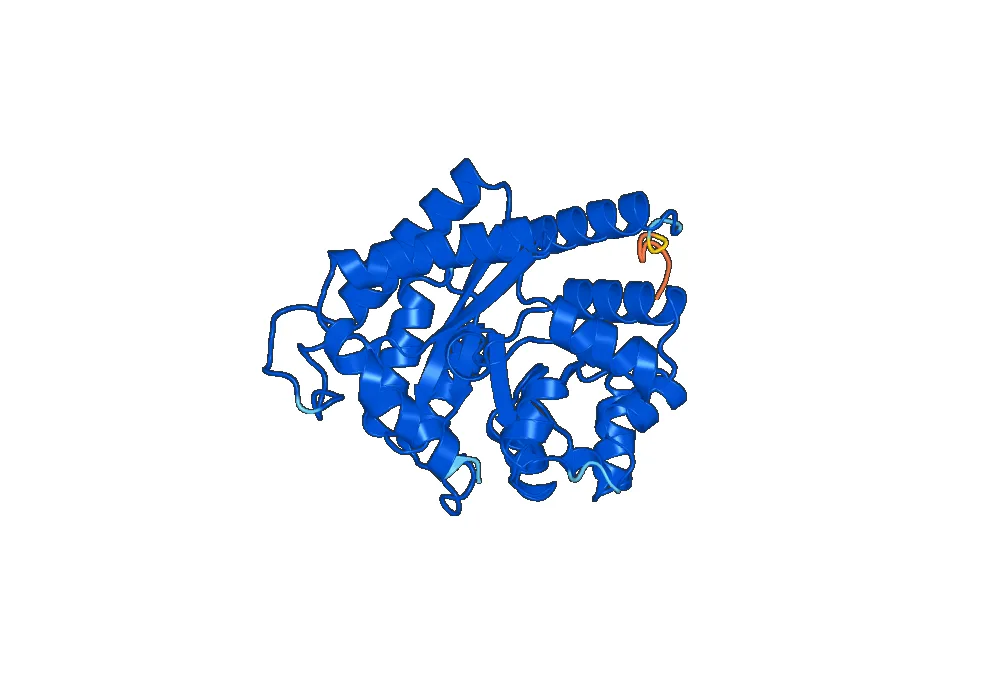
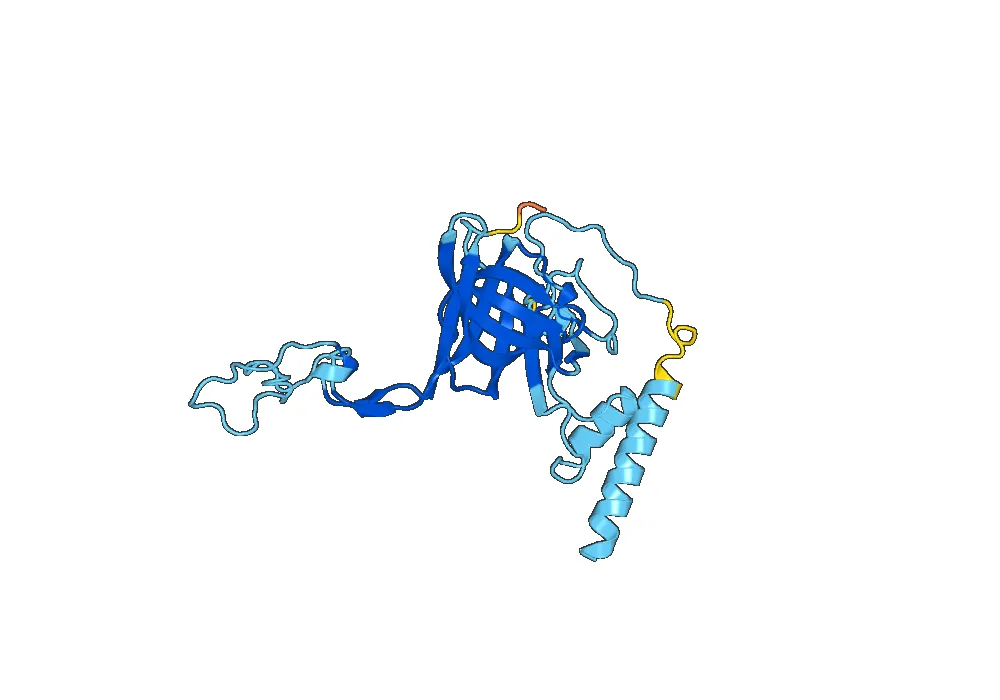
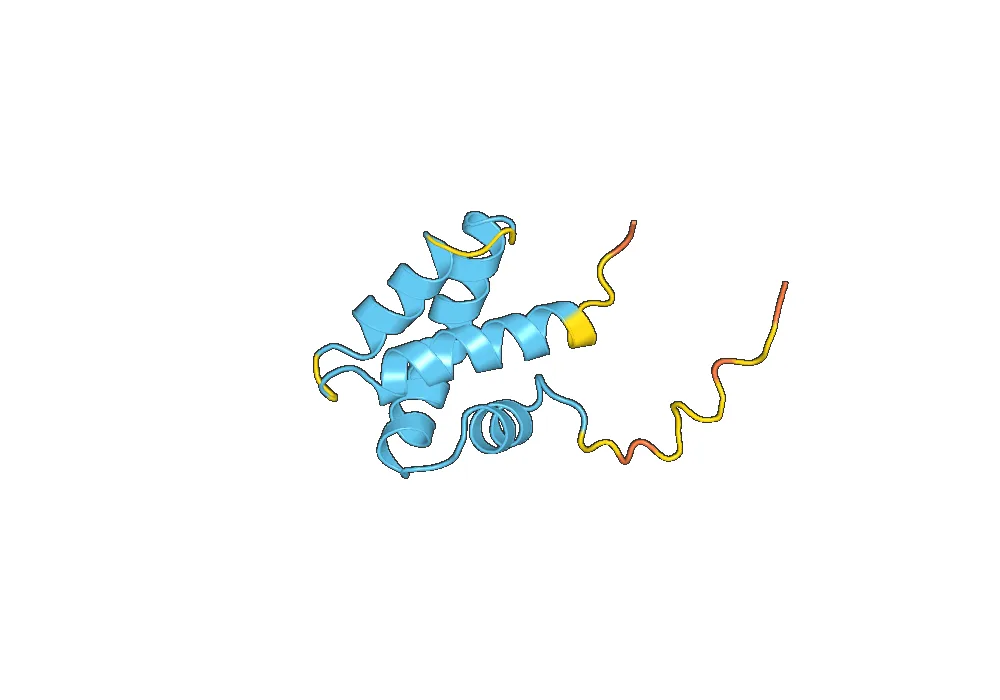
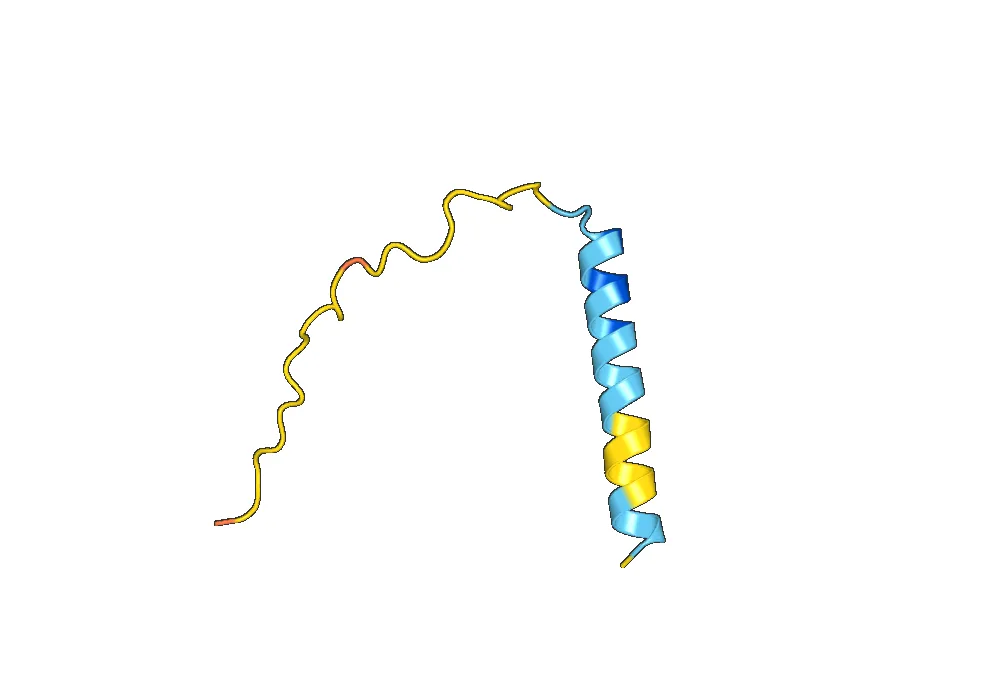
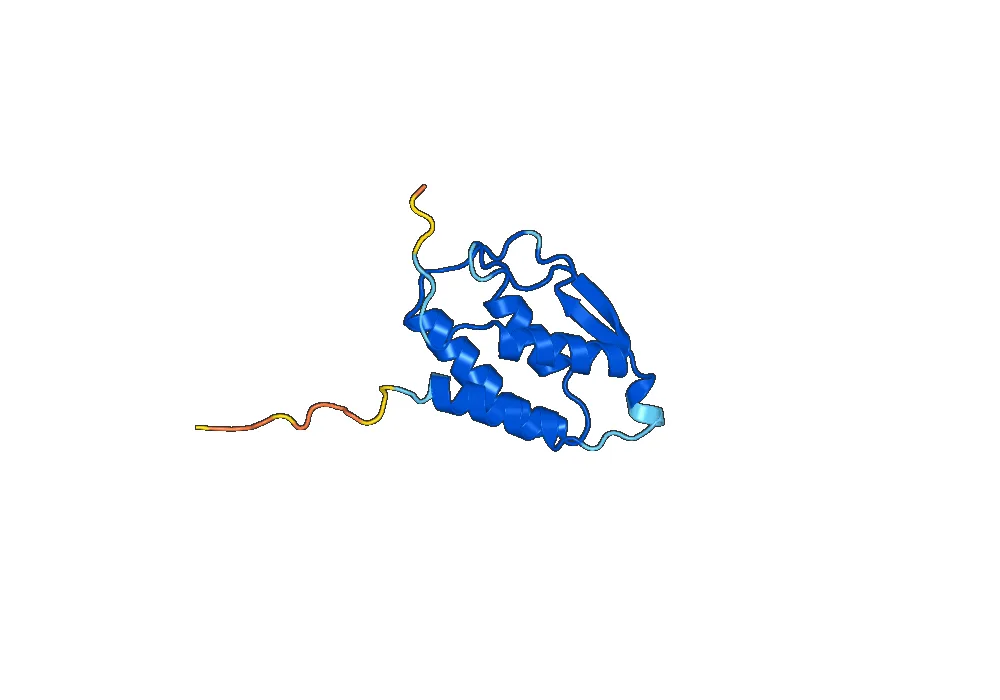
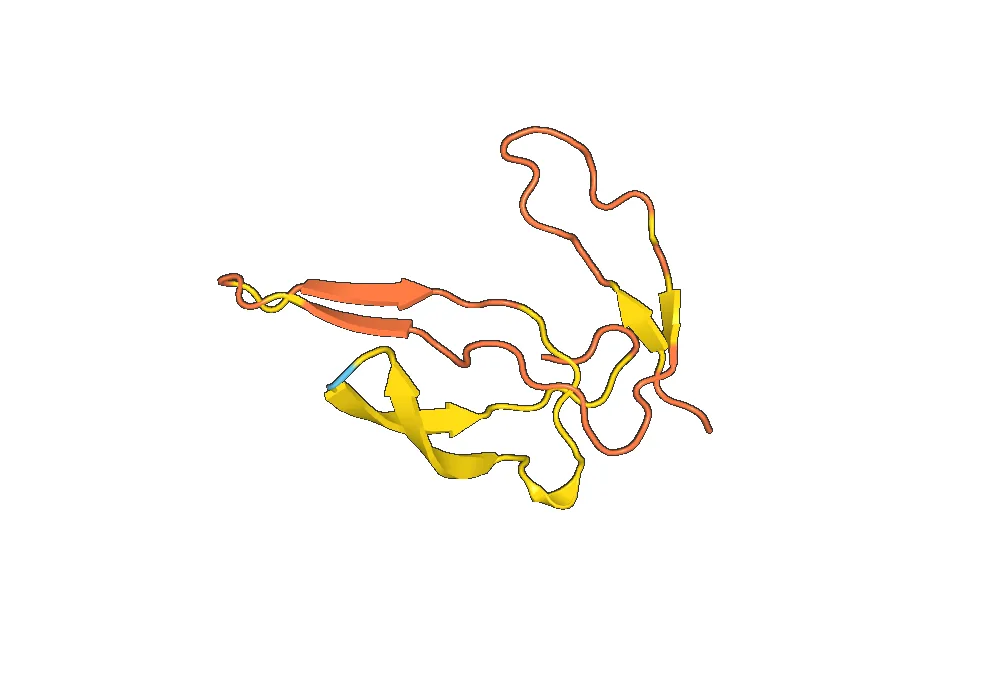
Recombinant Human ADIPOR2 is a transmembrane protein that belongs to the adiponectin receptor family. It is encoded by the ADIPOR2 gene located on chromosome 12 in humans. The protein consists of 375 amino acids and has a molecular weight of approximately 42 kDa. It is composed of an extracellular N-terminal domain, seven transmembrane domains, and an intracellular C-terminal domain.
The extracellular domain of Recombinant Human ADIPOR2 contains a cysteine-rich region and a fibronectin type III domain. These domains are involved in ligand binding and receptor activation. The transmembrane domains are responsible for anchoring the protein to the cell membrane, while the intracellular domain plays a crucial role in signal transduction.
Activity of Recombinant Human ADIPOR2
Recombinant Human ADIPOR2 is a receptor for adiponectin, a hormone secreted by adipose tissue that regulates glucose and lipid metabolism. Upon binding to adiponectin, the receptor undergoes conformational changes, leading to the activation of downstream signaling pathways. These pathways include the AMP-activated protein kinase (AMPK) pathway, which plays a crucial role in energy homeostasis, and the peroxisome proliferator-activated receptor (PPAR) pathway, which is involved in lipid metabolism.
Furthermore, Recombinant Human ADIPOR2 has been shown to interact with other proteins, such as APPL1 and APPL2, which are involved in insulin signaling and glucose uptake. This interaction suggests a potential role of Recombinant Human ADIPOR2 in regulating glucose metabolism and insulin sensitivity.
Application of Recombinant Human ADIPOR2
The unique structure and activity of Recombinant Human ADIPOR2 make it a promising target for therapeutic interventions. One potential application is in the treatment of metabolic disorders, such as type 2 diabetes and obesity. Studies have shown that adiponectin signaling through ADIPOR2 can improve insulin sensitivity and glucose uptake, making it a potential target for developing new anti-diabetic drugs.
Another potential application is in cancer therapy. Adiponectin has been shown to have anti-tumor effects, and Recombinant Human ADIPOR2 could play a role in mediating these effects. Additionally, the interaction of ADIPOR2 with APPL1 and APPL2 suggests a potential role in regulating cell proliferation and survival, making it a potential target for cancer treatment.
Furthermore, Recombinant Human ADIPOR2 has been shown to have anti-inflammatory effects, making it a potential target for the treatment of inflammatory diseases such as rheumatoid arthritis and inflammatory bowel disease.
Conclusion
In conclusion, Recombinant Human ADIPOR2 is a transmembrane protein with a unique structure and activity. Its role as a receptor for adiponectin and its potential involvement in various signaling pathways make it a promising target for therapeutic interventions. Further research on this protein could lead to the development of new treatments for metabolic disorders, cancer, and inflammatory diseases.


There are no reviews yet.