Introduction
Raludotatug Biosimilar is a novel therapeutic antibody that targets K-cadherin, a protein involved in cell adhesion and signaling. This biosimilar is a research grade version of an anti-K-cadherin monoclonal antibody (mAb) that has been modified for optimal activity and efficacy. In this article, we will explore the structure, activity, and potential applications of Raludotatug Biosimilar in scientific research.
Structure of Raludotatug Biosimilar
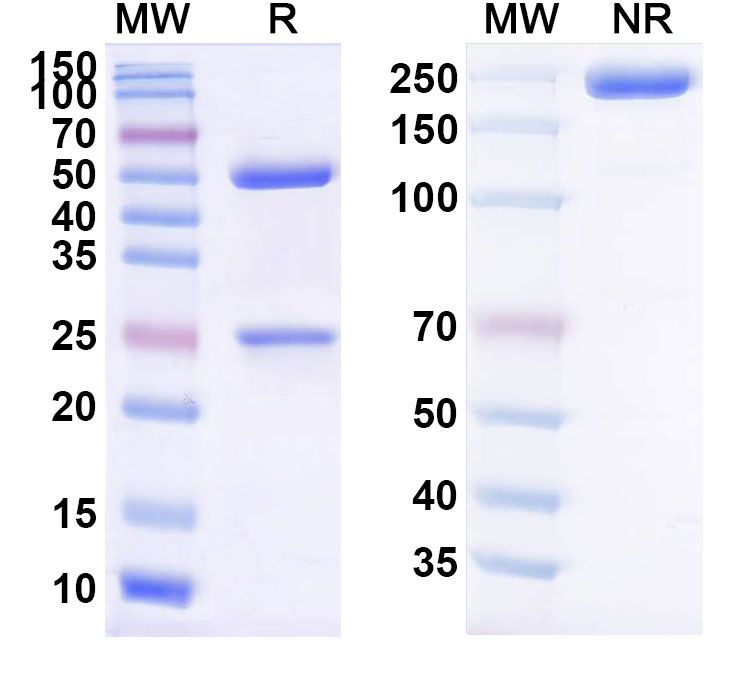
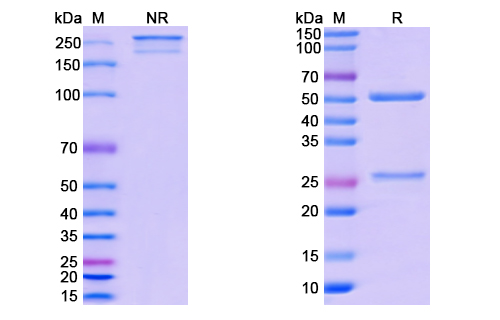
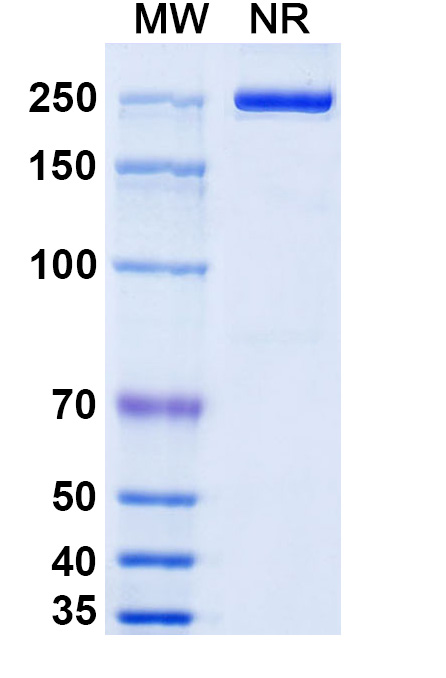
Raludotatug Biosimilar is a recombinant monoclonal antibody, meaning it is produced in a laboratory using genetic engineering techniques. The antibody is composed of two identical heavy chains and two identical light chains, each consisting of a variable region and a constant region. The variable regions of the antibody are responsible for binding to the target protein, K-cadherin, while the constant regions play a role in immune system activation and antibody stability.
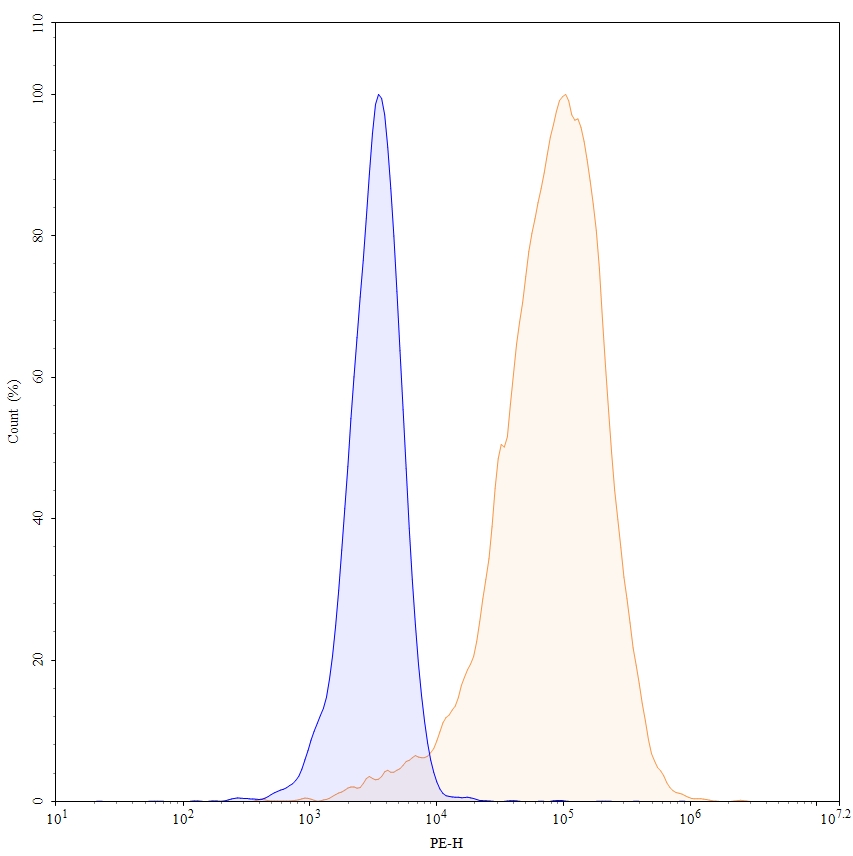
The structure of Raludotatug Biosimilar is highly specific and precise, allowing it to bind to K-cadherin with high affinity and specificity. This is essential for its therapeutic activity and makes it a valuable tool for studying the role of K-cadherin in various biological processes.
Activity of Raludotatug Biosimilar
The primary activity of Raludotatug Biosimilar is its ability to bind to K-cadherin and inhibit its function. K-cadherin is a transmembrane protein that plays a critical role in cell-cell adhesion and signaling. By binding to K-cadherin, Raludotatug Biosimilar prevents its interaction with other proteins and disrupts its function, leading to various downstream effects.
One of the key activities of Raludotatug Biosimilar is its ability to inhibit tumor growth and metastasis. K-cadherin has been implicated in promoting cancer cell migration and invasion, and targeting it with Raludotatug Biosimilar can prevent these processes. This makes Raludotatug Biosimilar a promising candidate for cancer therapy.
Additionally, Raludotatug Biosimilar has been shown to modulate immune responses by targeting K-cadherin on immune cells. This can lead to the activation or suppression of specific immune pathways, making Raludotatug Biosimilar a potential tool for immunotherapy.
Applications of Raludotatug Biosimilar
As a research grade antibody, Raludotatug Biosimilar has a wide range of potential applications in scientific research. Some of the most promising areas of study include cancer biology, immunology, and developmental biology.
In cancer research, Raludotatug Biosimilar can be used to study the role of K-cadherin in tumor growth and metastasis. Its ability to inhibit K-cadherin function makes it a valuable tool for understanding the mechanisms of cancer progression and identifying potential therapeutic targets.
In immunology, Raludotatug Biosimilar can be used to investigate the role of K-cadherin in immune cell function and regulation. By targeting K-cadherin with Raludotatug Biosimilar, researchers can manipulate immune responses and study their effects on various diseases and conditions.
Finally, in developmental biology, Raludotatug Biosimilar can be used to study the role of K-cadherin in embryonic development and tissue formation. Its ability to disrupt K-cadherin function can provide insights into the mechanisms of cell adhesion and signaling during development.
Conclusion
Raludotatug Biosimilar is a novel research grade antibody with high specificity and affinity for the protein K-cadherin. Its structure and activity make it a valuable tool for studying the role of K-cadherin in various biological processes,

There are no reviews yet.