The Structure of Camoteskimab Biosimilar
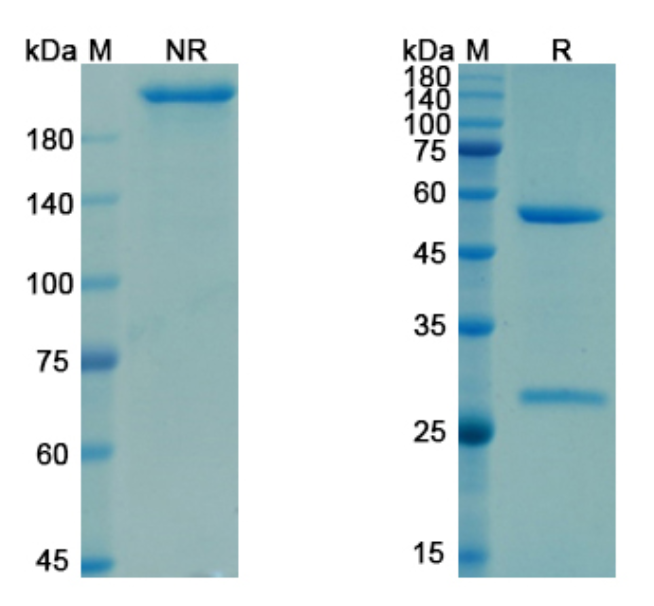
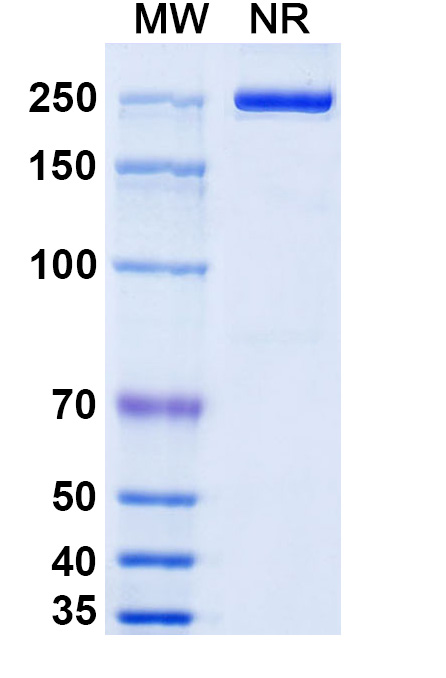
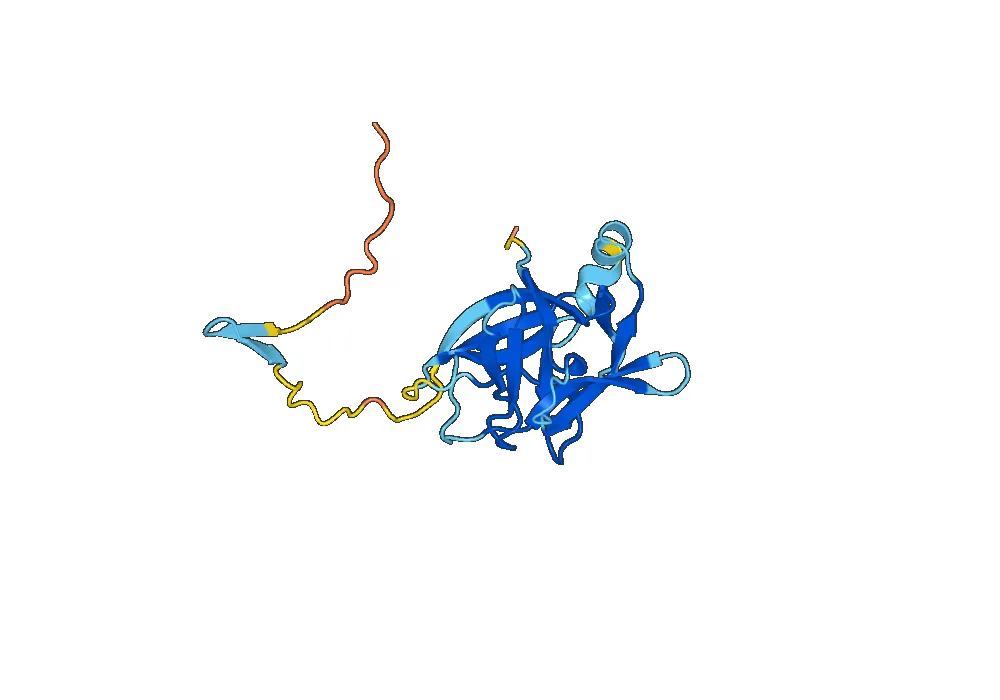
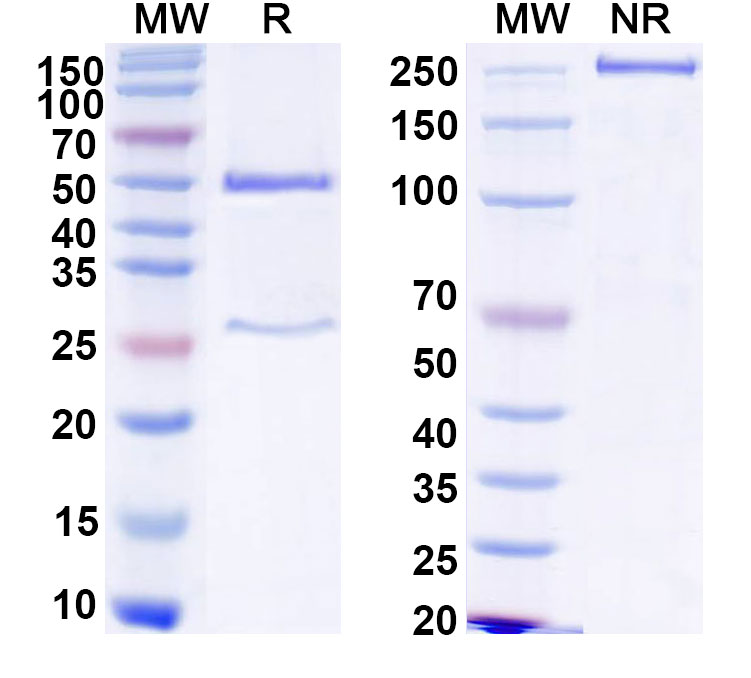
Camoteskimab Biosimilar, also known as Anti-IL18 mAb, is a monoclonal antibody that has been designed to mimic the structure and function of the naturally occurring antibody against interleukin-18 (IL-18). This biosimilar is composed of two identical heavy chains and two identical light chains, each containing a variable region and a constant region.
The variable region of Camoteskimab Biosimilar is responsible for its specificity and binding to IL-18. It is made up of six complementarity-determining regions (CDRs) that interact with the target molecule. The constant region, on the other hand, is responsible for the effector functions of the antibody, such as complement activation and antibody-dependent cellular cytotoxicity.
The Activity of Camoteskimab Biosimilar
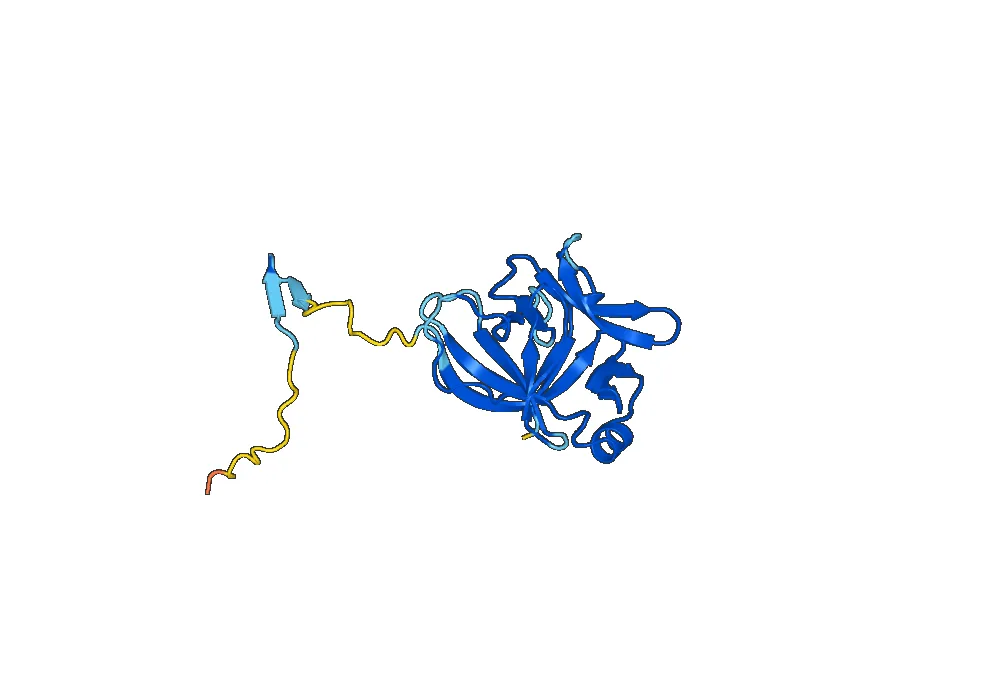
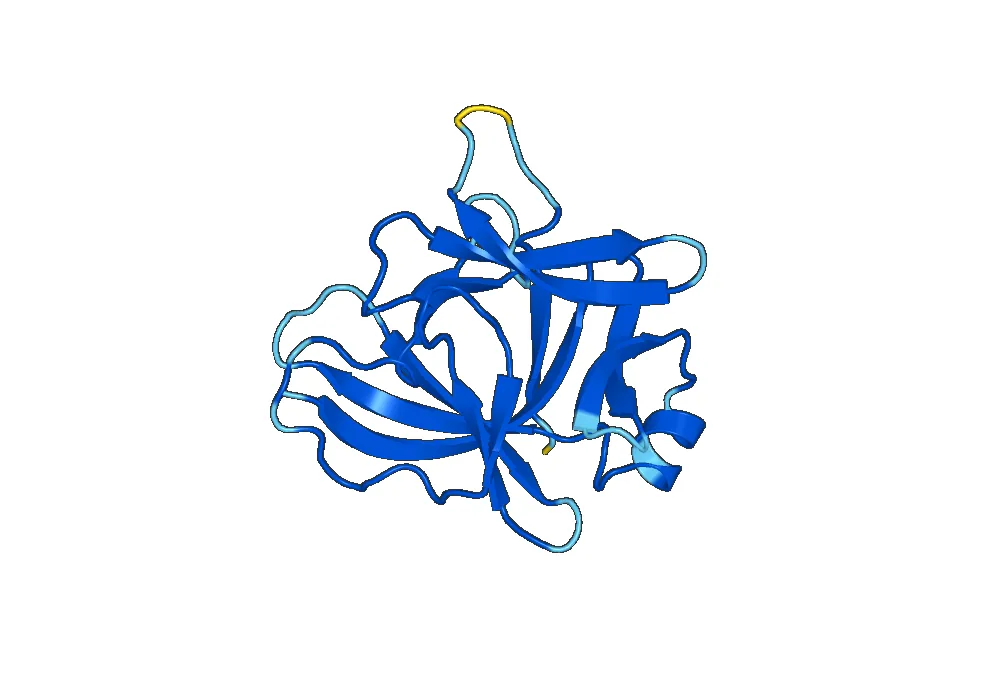
IL-18 is a pro-inflammatory cytokine that plays a crucial role in the immune response. It is produced by various cells, including macrophages, dendritic cells, and epithelial cells, and is involved in the activation of both innate and adaptive immune responses. However, overproduction of IL-18 has been linked to various inflammatory diseases, making it a potential therapeutic target.
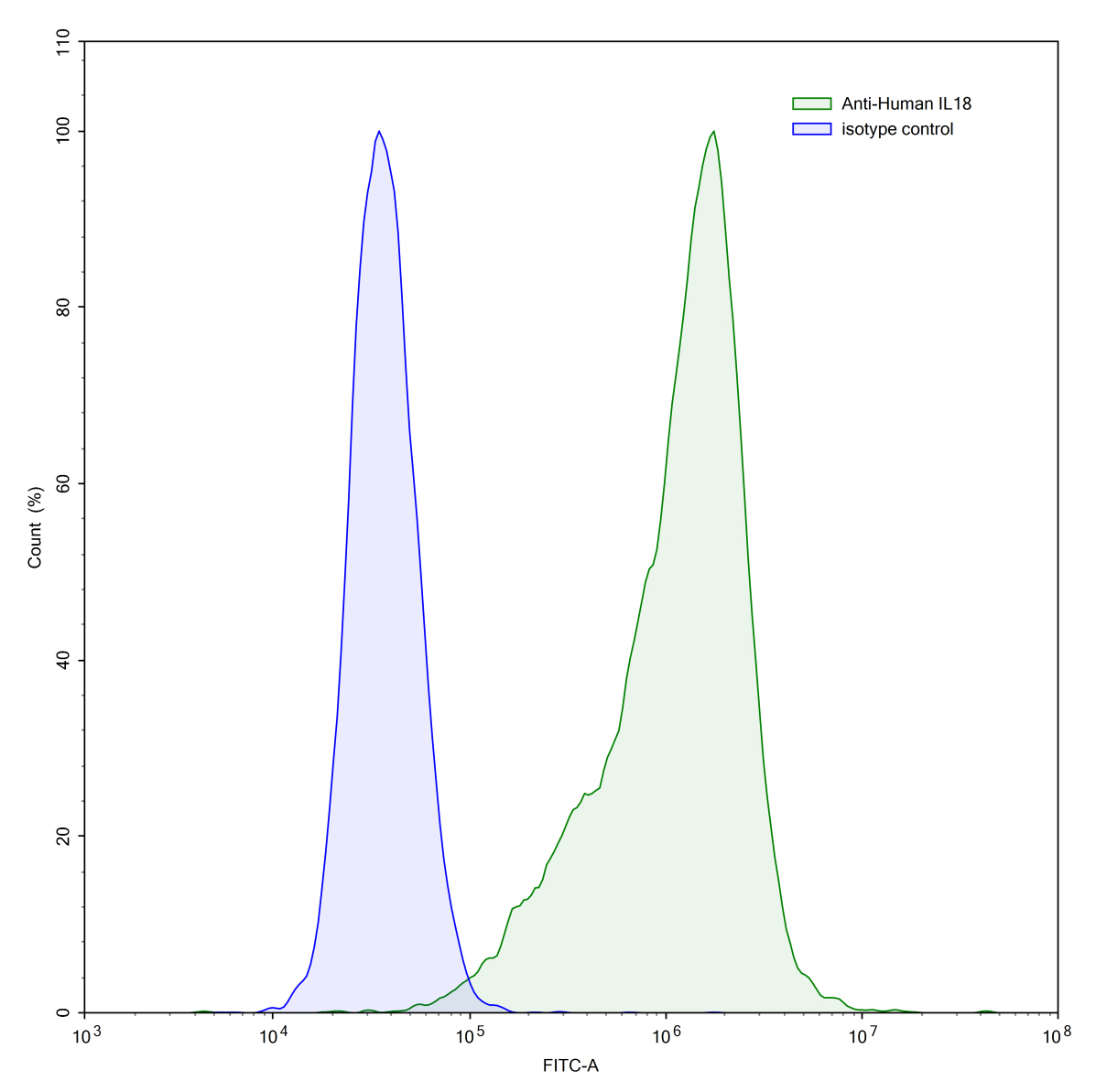
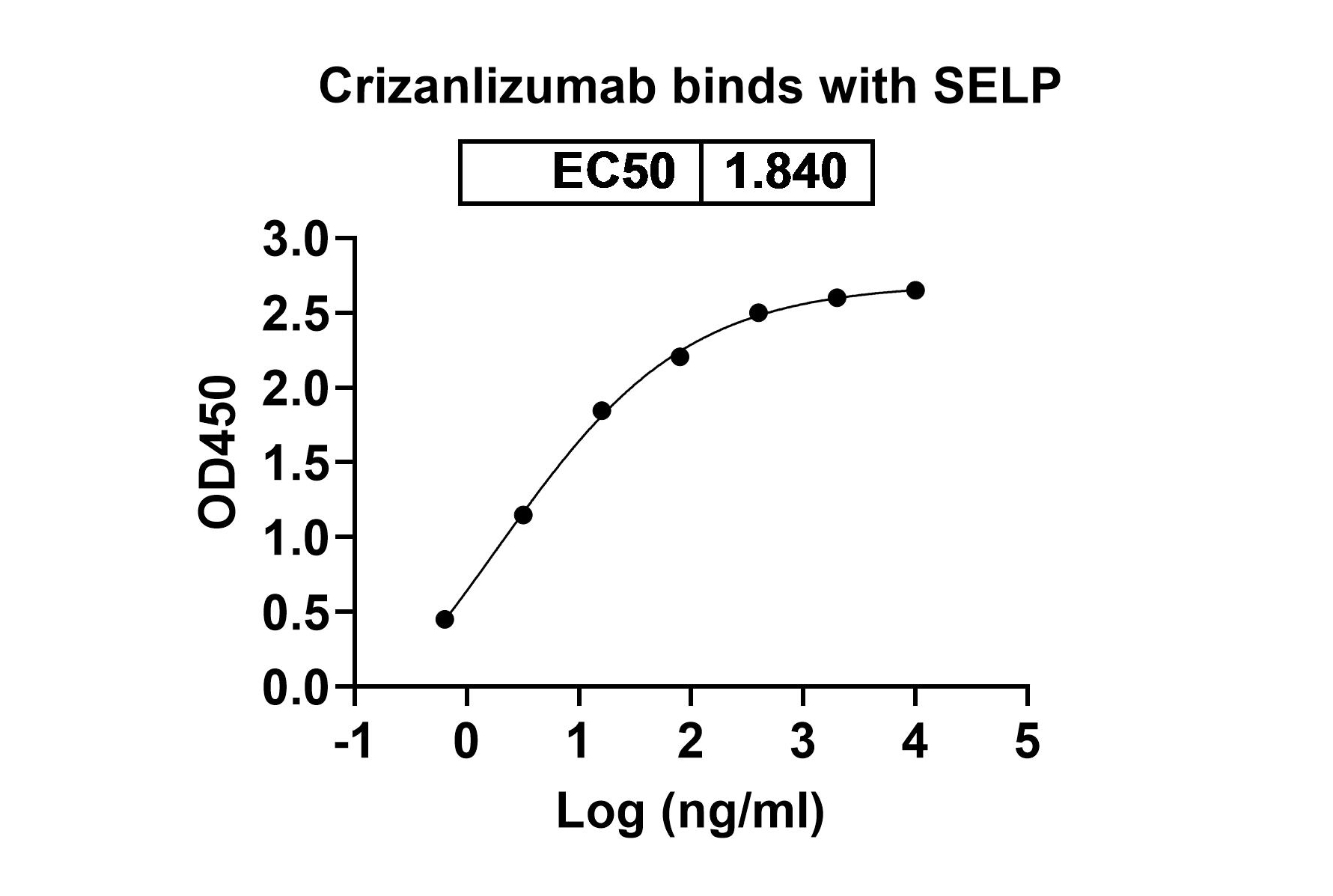
Camoteskimab Biosimilar works by binding to IL-18 and blocking its interaction with its receptor, thereby inhibiting its pro-inflammatory activity. This prevents the downstream signaling pathways that lead to inflammation and tissue damage. Additionally, Camoteskimab Biosimilar can also induce apoptosis (cell death) of IL-18-producing cells, further reducing the levels of this cytokine in the body.
The Application of Camoteskimab Biosimilar
Camoteskimab Biosimilar is currently being developed as a research-grade antibody for the treatment of various inflammatory diseases. It has shown promising results in preclinical studies for conditions such as rheumatoid arthritis, psoriasis, and inflammatory bowel disease.
In rheumatoid arthritis, Camoteskimab Biosimilar has been shown to reduce the levels of IL-18 in the joints and alleviate symptoms such as joint pain and swelling. It has also been shown to improve skin lesions and reduce inflammation in psoriasis patients. In inflammatory bowel disease, Camoteskimab Biosimilar has been found to decrease the production of pro-inflammatory cytokines and improve intestinal inflammation.
Furthermore, Camoteskimab Biosimilar has also shown potential in treating other inflammatory conditions such as systemic lupus erythematosus, multiple sclerosis, and asthma. Its ability to specifically target IL-18 without affecting other cytokines makes it a promising candidate for the treatment of these diseases.
In addition to its therapeutic potential, Camoteskimab Biosimilar can also be used as a research tool to study the role of IL-18 in various diseases and to develop new treatments targeting this cytokine.
Conclusion
In summary, Camoteskimab Biosimilar is a monoclonal antibody designed to target IL-18, a pro-inflammatory cytokine involved in various inflammatory diseases. Its structure, activity, and potential applications make it a promising candidate for the treatment of conditions such as rheumatoid arthritis, psoriasis, and inflammatory bowel disease. Further research and clinical trials are needed to fully understand the potential of this biosimilar in treating inflammatory diseases and improving patient outcomes.

There are no reviews yet.