Introduction:
Bintrafusp biosimilar, also known as Anti-CD274 monoclonal antibody, is a novel therapeutic agent that has gained significant attention in the field of cancer treatment. It is a promising immunotherapy drug that targets the programmed death-ligand 1 (PD-L1) protein, which is overexpressed in various types of cancer. In this article, we will provide a comprehensive scientific description of Bintrafusp biosimilar, including its structure, activity, and potential applications.
Structure of Bintrafusp Biosimilar:
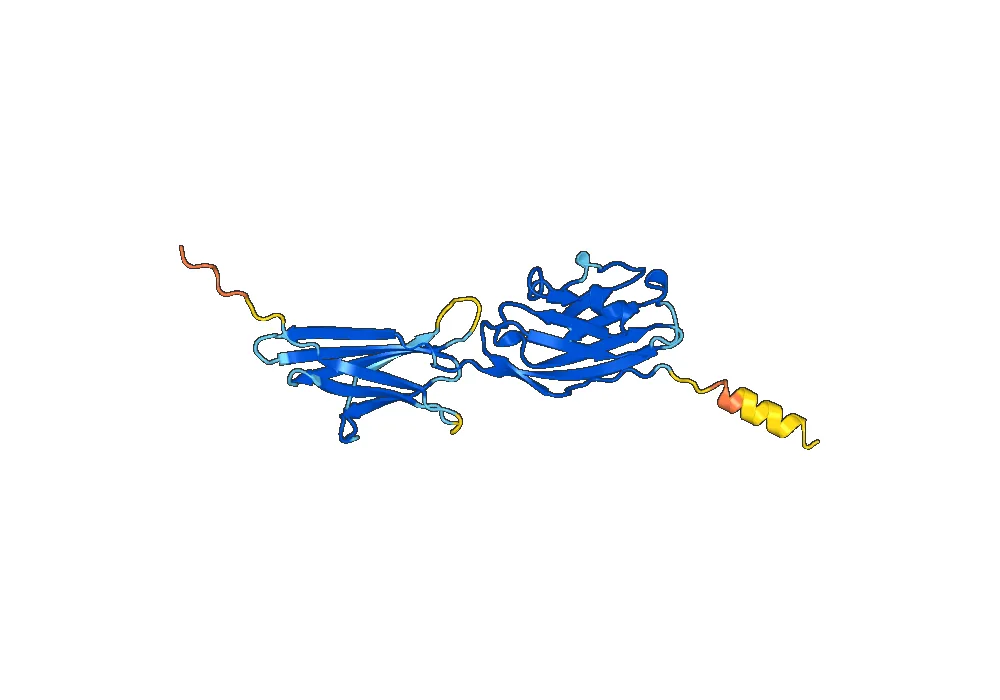
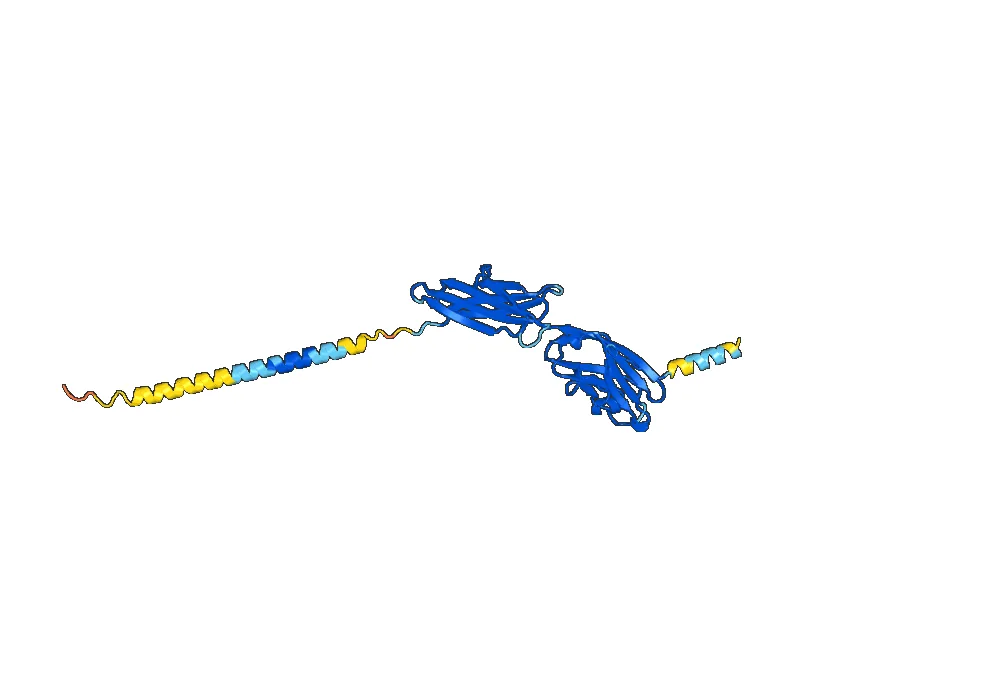
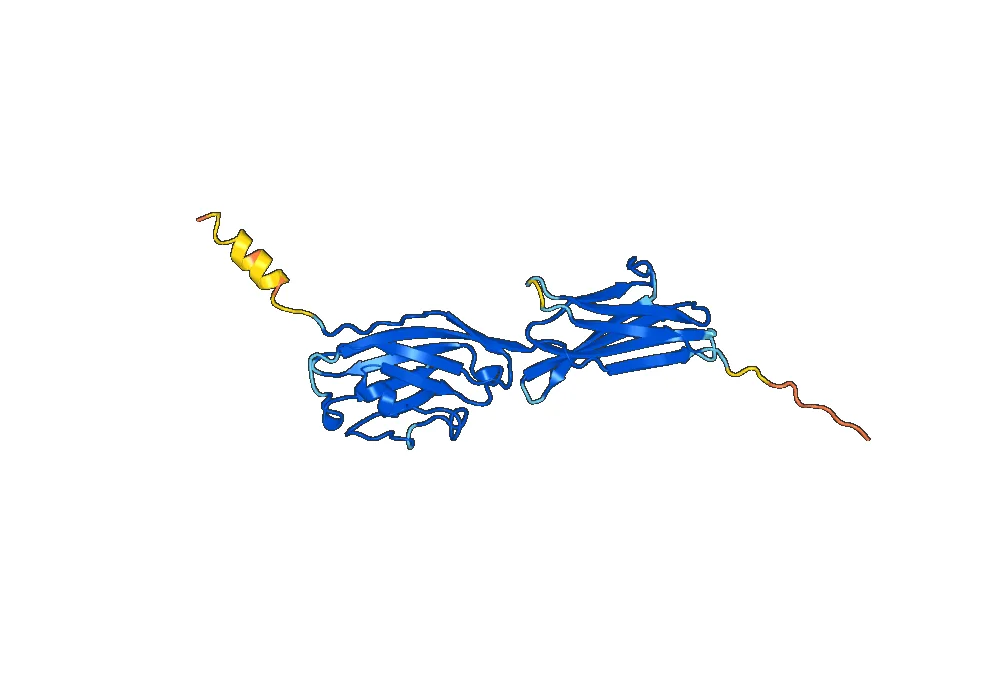
Bintrafusp biosimilar is a fusion protein that consists of two distinct components: an anti-PD-L1 monoclonal antibody and a TGF-β receptor II (TGF-βRII) molecule. The anti-PD-L1 antibody is a fully human IgG1 antibody that binds to PD-L1 on the surface of cancer cells, while the TGF-βRII molecule acts as a decoy receptor that blocks the activity of TGF-β, a cytokine that promotes tumor growth and immune suppression. The two components are linked together by a flexible linker, which allows for optimal binding to PD-L1 and TGF-βRII.
Activity of Bintrafusp Biosimilar:
The main mechanism of action of Bintrafusp biosimilar is the blockade of the PD-1/PD-L1 pathway, which is a key immune checkpoint that regulates the activity of T cells. By binding to PD-L1, Bintrafusp biosimilar prevents the interaction between PD-L1 and its receptor PD-1 on T cells, thereby restoring the anti-tumor immune response. Additionally, the TGF-βRII component of Bintrafusp biosimilar blocks the immunosuppressive effects of TGF-β, which is often overexpressed in the tumor microenvironment. This dual mechanism of action makes Bintrafusp biosimilar a potent anti- cancer agent.
Potential Applications of Bintrafusp Biosimilar:
Bintrafusp biosimilar has shown promising results in preclinical studies and is currently being evaluated in clinical trials for the treatment of various types of cancer, including non-small cell lung cancer, melanoma, and head and neck cancer. It has also shown potential for use in combination with other anti- cancer therapies, such as chemotherapy and targeted therapy. In addition, Bintrafusp biosimilar has been investigated for its potential to prevent cancer recurrence and metastasis, as well as its ability to induce long-lasting anti-tumor immunity.
Advantages of Bintrafusp Biosimilar:
Compared to other PD-L1 inhibitors, Bintrafusp biosimilar has several advantages. Firstly, its dual mechanism of action makes it more effective in blocking the PD-1/PD-L1 pathway and reducing TGF-β-mediated immunosuppression. Secondly, the TGF-βRII component of Bintrafusp biosimilar has been shown to enhance the anti-tumor activity of T cells, leading to a more robust immune response. Lastly, as a biosimilar, Bintrafusp biosimilar is expected to have a lower cost compared to the original drug, making it more accessible to patients in need.
Conclusion:
In conclusion, Bintrafusp biosimilar is a novel therapeutic agent that has shown promising results in preclinical studies and is currently being evaluated in clinical trials for the treatment of various types of cancer. Its unique structure and dual mechanism of action make it a potent anti- cancer agent with the potential for use in combination with other therapies. As more data becomes available, Bintrafusp biosimilar has the potential to become a valuable addition to the arsenal of anti- cancer treatments.
There are no reviews yet.