Introduction
Petosemtamab Biosimilar, also known as Anti-EGFR, ERBB1, LGR5 mAb, is a monoclonal antibody that has been developed as a biosimilar to the original Petosemtamab antibody. It is a highly specific and potent therapeutic agent that has shown promising results in the treatment of various cancers. In this article, we will discuss the structure, activity, and applications of Petosemtamab Biosimilar in detail.
Structure of Petosemtamab Biosimilar
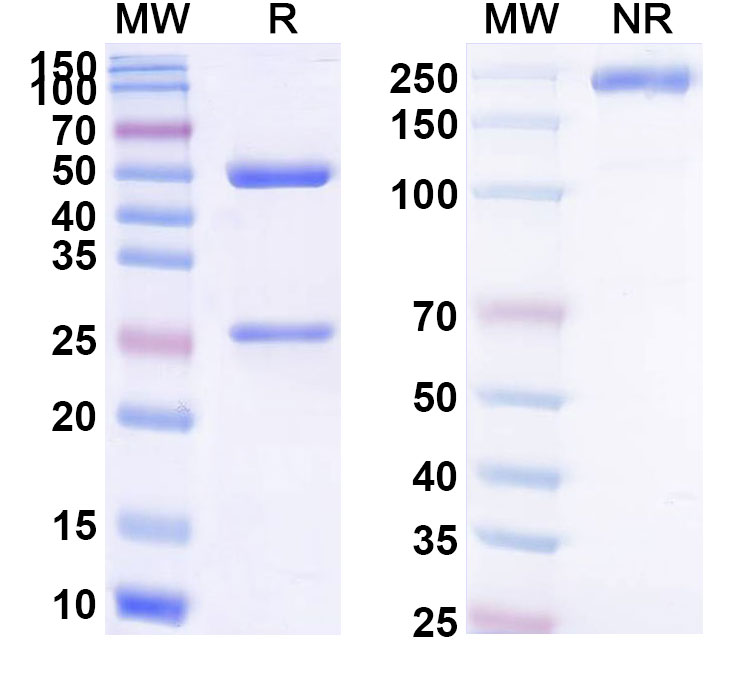
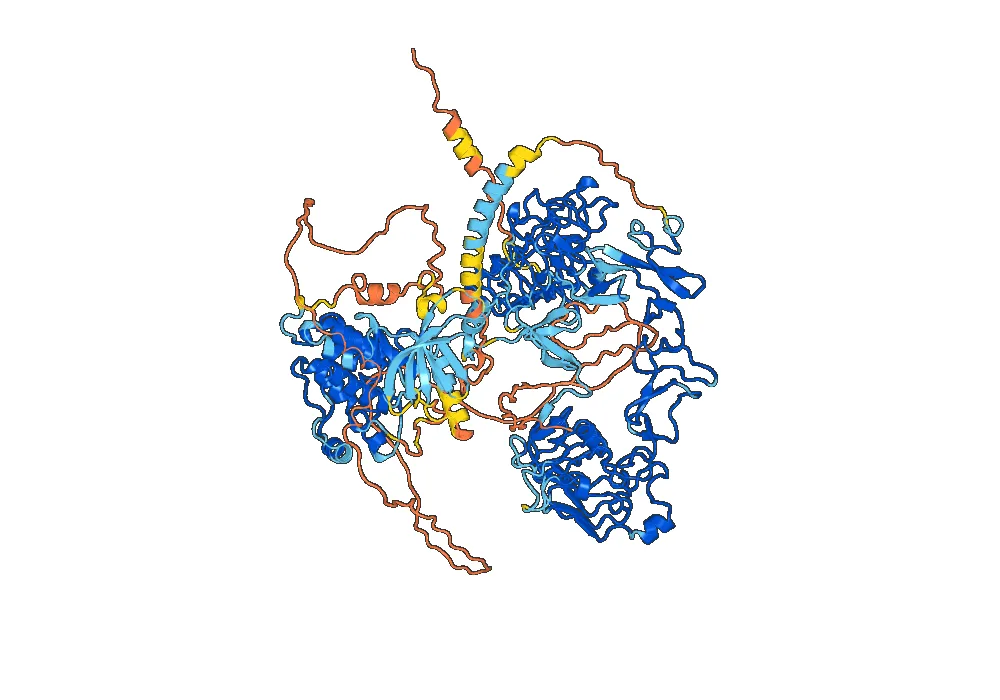
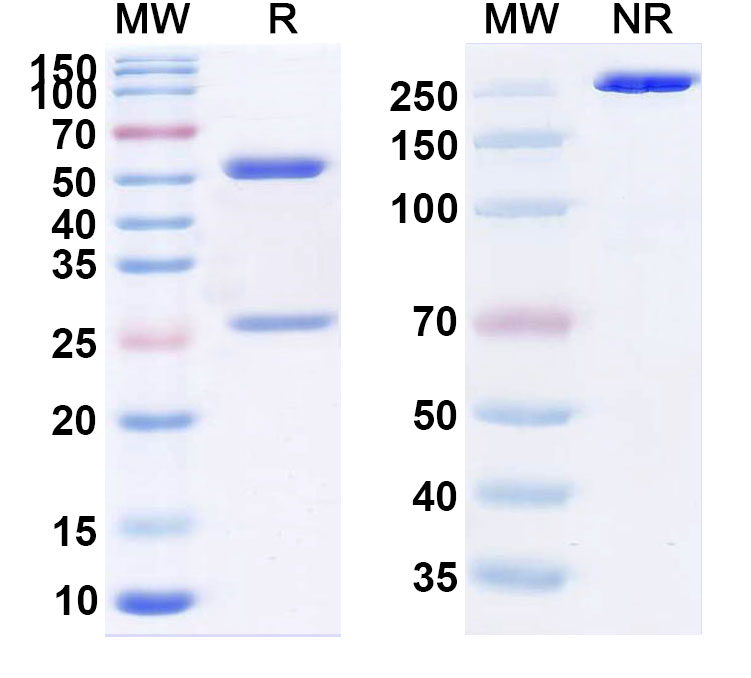
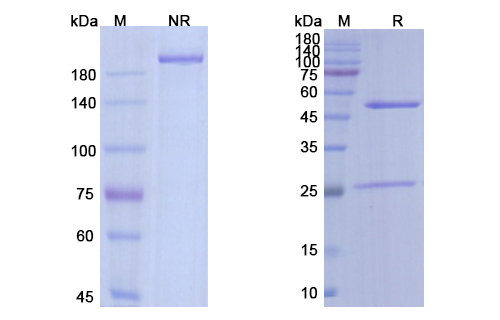
Petosemtamab Biosimilar is a monoclonal antibody that is composed of two heavy chains and two light chains. Each chain consists of a constant region and a variable region. The constant region is responsible for the effector function of the antibody, while the variable region is responsible for binding to the target antigen. Petosemtamab Biosimilar specifically targets the epidermal growth factor receptor (EGFR), ERBB1, and LGR5, which are known to be overexpressed in various cancers.
The structure of Petosemtamab Biosimilar is similar to that of the original Petosemtamab antibody, making it a highly specific and potent therapeutic agent. The constant region of Petosemtamab Biosimilar is derived from a human IgG1 antibody, which makes it less immunogenic and increases its half-life in the body. The variable region of Petosemtamab Biosimilar is engineered to have a higher affinity for the target antigens, making it more effective in targeting cancer cells.
Activity of Petosemtamab Biosimilar
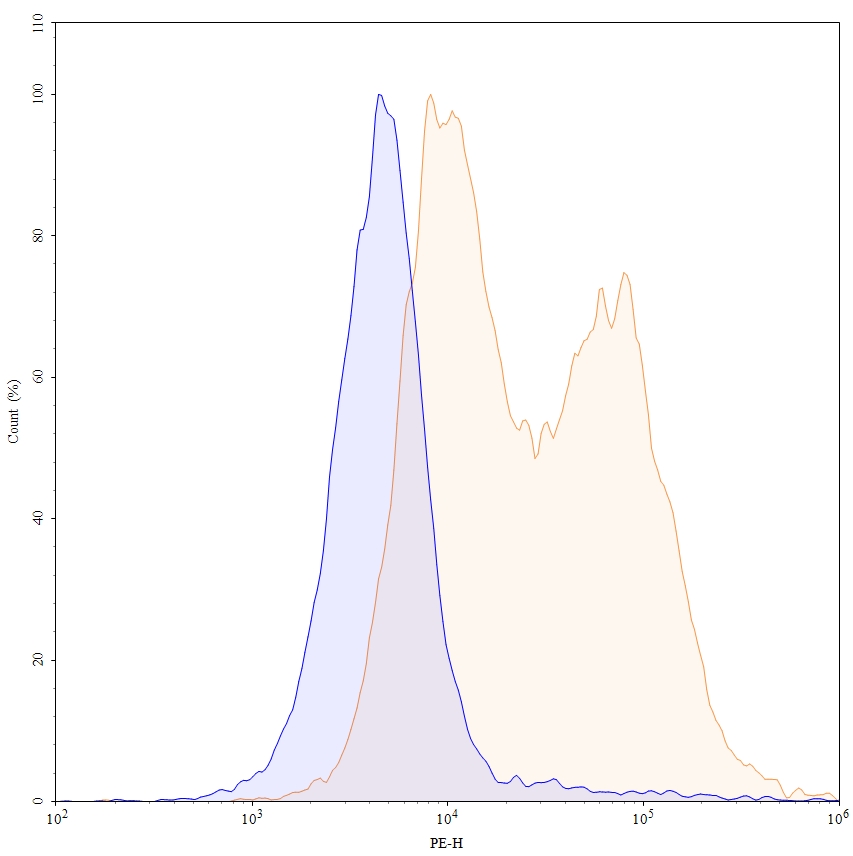
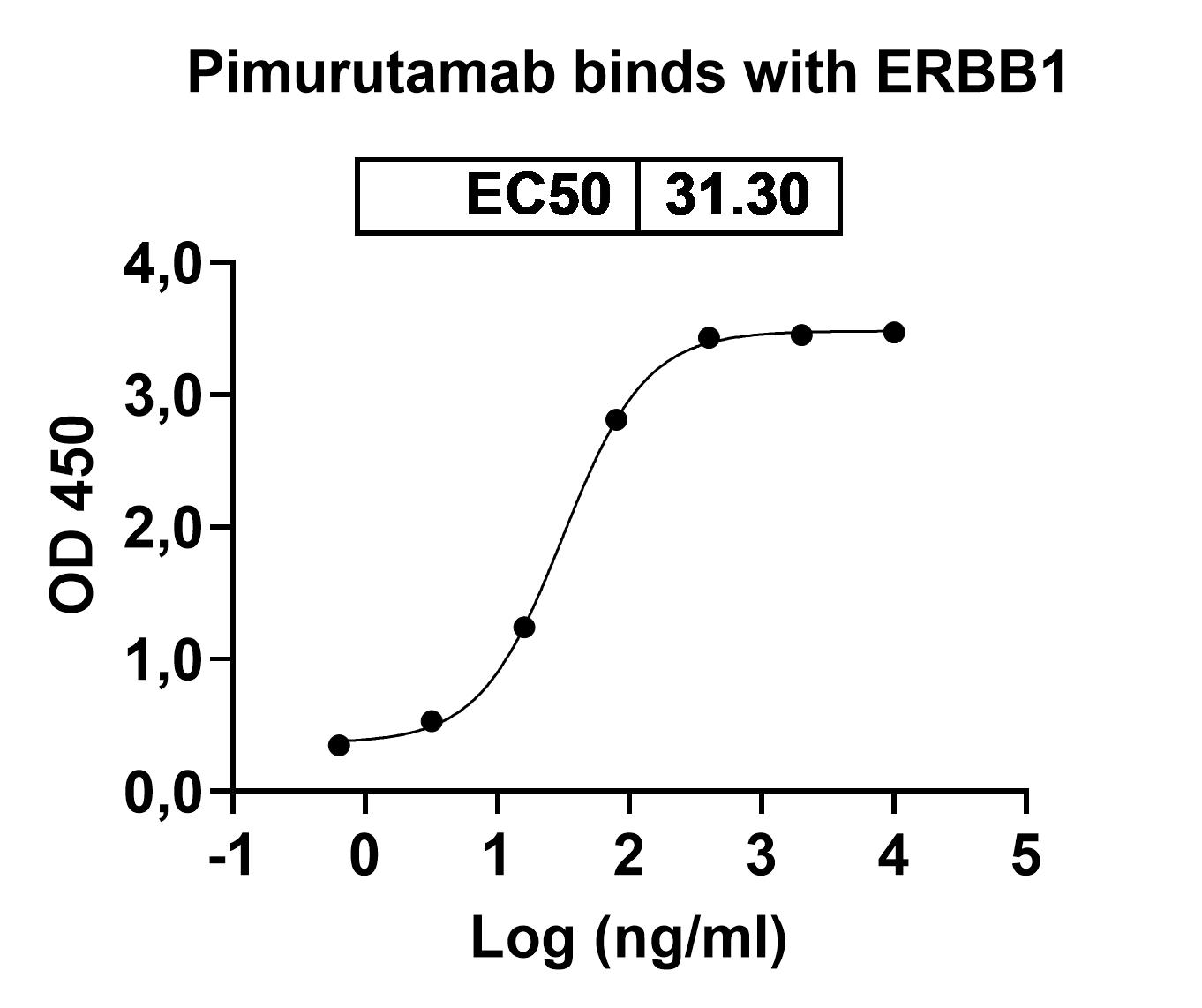
Petosemtamab Biosimilar works by binding to the EGFR, ERBB1, and LGR5 receptors on the surface of cancer cells. This binding prevents the receptors from interacting with their ligands, which are responsible for promoting cell growth and survival. By blocking these receptors, Petosemtamab Biosimilar inhibits the growth and survival of cancer cells, leading to their death.
Petosemtamab Biosimilar also has an effector function, which activates the immune system to attack cancer cells. This is achieved through the activation of natural killer cells and macrophages, which are responsible for killing cancer cells. This dual mechanism of action makes Petosemtamab Biosimilar a highly effective therapeutic agent for the treatment of cancer.
Applications of Petosemtamab Biosimilar
Petosemtamab Biosimilar has shown promising results in the treatment of various cancers, including colorectal, lung, and head and neck cancers. It has been approved for use in combination with chemotherapy in the treatment of metastatic colorectal cancer that overexpresses the EGFR receptor. Petosemtamab Biosimilar has also been approved for use in combination with radiation therapy in the treatment of locally advanced head and neck cancer that overexpresses the EGFR receptor.
Furthermore, Petosemtamab Biosimilar is being studied in clinical trials for the treatment of other types of cancers, including non-small cell lung cancer, pancreatic cancer, and ovarian cancer. It is also being investigated as a potential treatment for other diseases, such as psoriasis and inflammatory bowel disease, which are associated with the overexpression of EGFR.
Conclusion
Petosemtamab Biosimilar is a highly specific and potent therapeutic agent that has shown promising results in the treatment of various cancers. Its structure, activity, and applications make it a valuable addition to the arsenal of cancer treatments. With ongoing research and clinical trials, Petosemtamab Biosimilar has the potential to improve the outcomes of cancer patients and provide a more targeted and effective treatment option.
There are no reviews yet.