Telazorlimab Biosimilar: A Promising Antibody Against TNFRSF4
Telazorlimab Biosimilar, also known as Anti-TNFRSF4 mAb, is a novel monoclonal antibody that has shown promising results in targeting TNFRSF4, a receptor involved in immune regulation and inflammation. This biosimilar is currently being researched for its potential therapeutic applications in various diseases. In this article, we will discuss the structure, activity, and potential applications of Telazorlimab Biosimilar.
Structure of Telazorlimab Biosimilar
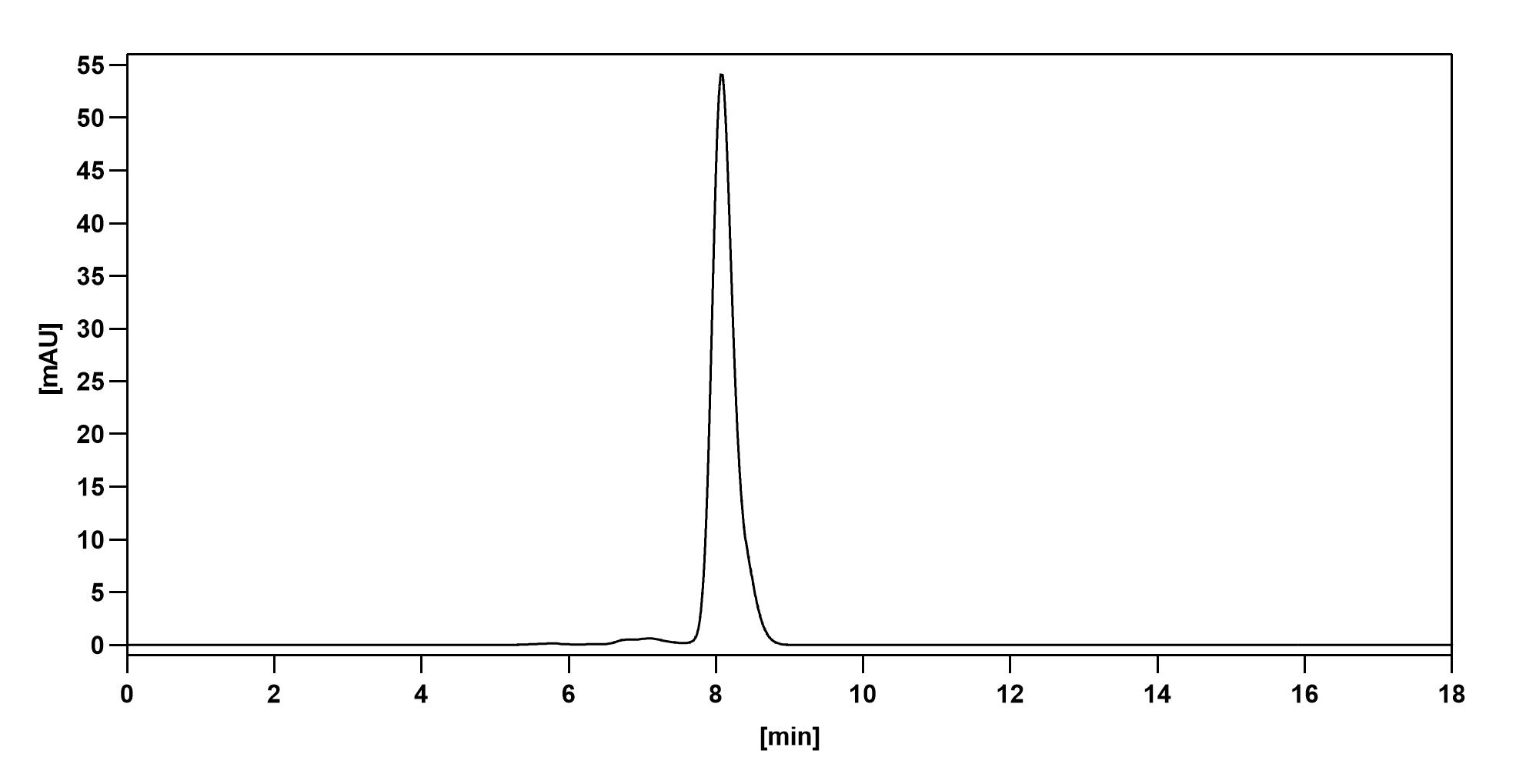
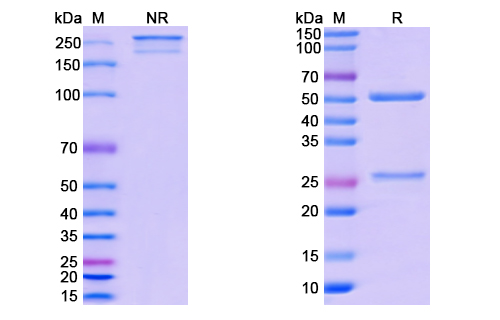
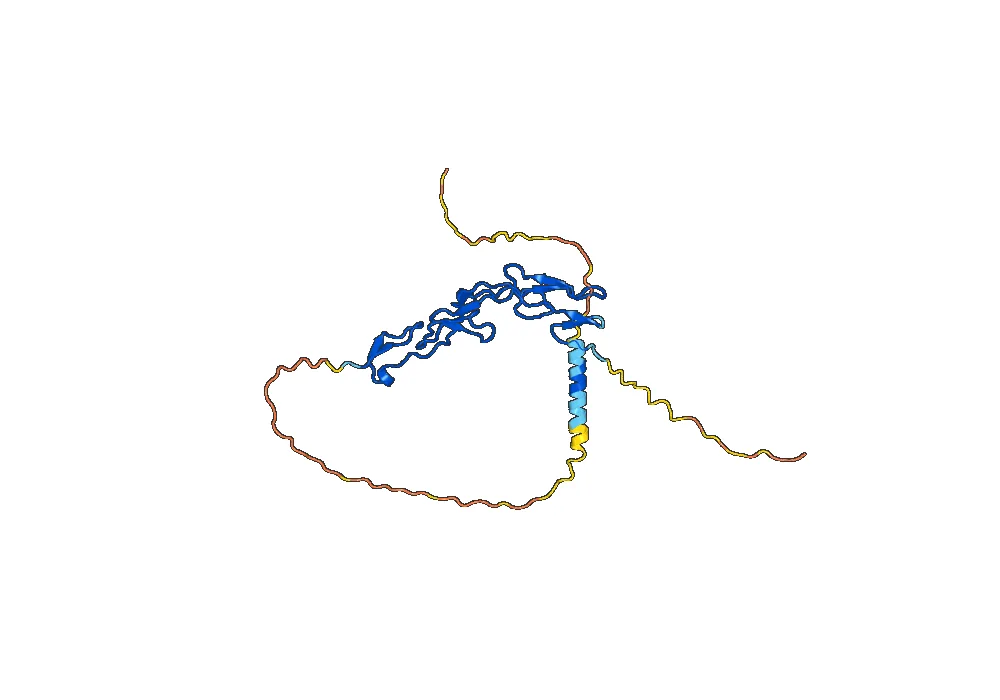
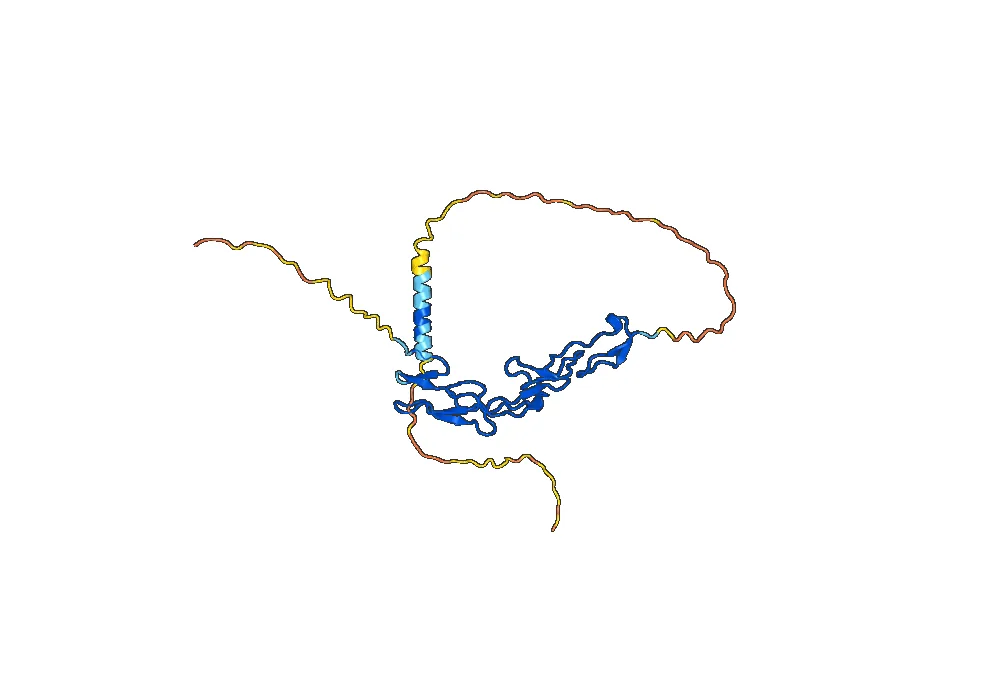
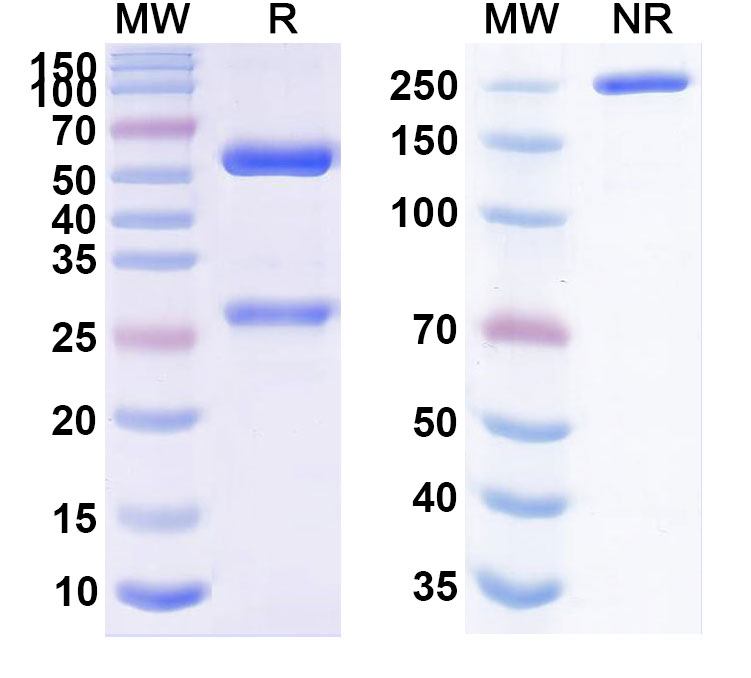
Telazorlimab Biosimilar is a fully humanized monoclonal antibody, meaning it is derived from human cells and has a low potential for immunogenicity. It is composed of two heavy chains and two light chains, each with a molecular weight of approximately 150 kDa. The antibody has a unique binding site that specifically targets TNFRSF4, making it highly specific and effective in its action.
The structure of Telazorlimab Biosimilar has been carefully designed to optimize its binding affinity and stability. It has a high affinity for TNFRSF4, allowing it to bind with high specificity and potency. This makes it a promising candidate for therapeutic use in diseases where TNFRSF4 is implicated.
Activity of Telazorlimab Biosimilar
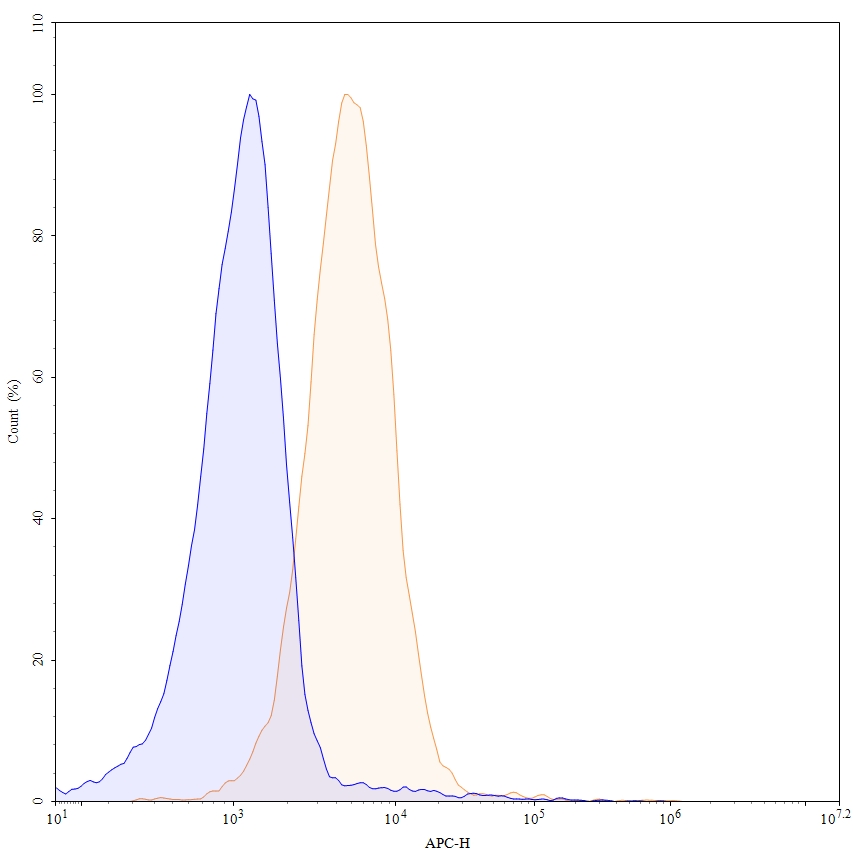
Telazorlimab Biosimilar works by binding to TNFRSF4, a receptor that is expressed on the surface of various immune cells, including T cells, B cells, and dendritic cells. This receptor plays a crucial role in regulating immune responses and is involved in the development of autoimmune diseases and inflammatory disorders.
By binding to TNFRSF4, Telazorlimab Biosimilar blocks its interaction with its ligand, OX40L. This prevents the activation of downstream signaling pathways that are responsible for promoting inflammation and immune responses. As a result, the biosimilar helps to modulate the immune system and reduce inflammation, making it a potential therapeutic option for a range of immune-mediated diseases.
Potential Applications of Telazorlimab Biosimilar
Telazorlimab Biosimilar is currently being investigated for its potential therapeutic applications in various diseases. Some of the key therapeutic areas where this biosimilar is being studied include autoimmune diseases, inflammatory disorders, and cancer.
In autoimmune diseases, such as rheumatoid arthritis and psoriasis, Telazorlimab Biosimilar has shown promising results in reducing disease activity and improving symptoms. By targeting TNFRSF4, it helps to suppress the abnormal immune response that is responsible for these diseases.
In inflammatory disorders, such as inflammatory bowel disease and asthma, Telazorlimab Biosimilar has shown potential in reducing inflammation and improving symptoms. This is due to its ability to modulate the immune system and inhibit the production of pro-inflammatory cytokines.
Moreover, Telazorlimab Biosimilar has also shown promise in cancer treatment. TNFRSF4 is overexpressed in certain types of cancer, and its interaction with OX40L promotes tumor growth and progression. By blocking this interaction, Telazorlimab Biosimilar can potentially inhibit tumor growth and enhance the efficacy of other cancer treatments.
Conclusion
Telazorlimab Biosimilar, the novel anti-TNFRSF4 monoclonal antibody, has a unique structure and high binding affinity for its target. Its ability to modulate the immune system and reduce inflammation makes it a promising candidate for the treatment of various diseases. With ongoing research and clinical trials, it has the potential to become a valuable therapeutic option for patients with immune-mediated diseases and cancer.

There are no reviews yet.