Obrindatamab Biosimilar: A Novel Anti-CD276,CD3E mAb for Therapeutic Targeting
Obrindatamab Biosimilar is a novel monoclonal antibody (mAb) that has been developed as a biosimilar version of the therapeutic antibody, Obrintuzumab. This biosimilar has been designed to specifically target the cell surface proteins CD276 and CD3E, which are known to play important roles in cancer progression and immune response. In this article, we will discuss the structure, activity, and potential applications of Obrindatamab Biosimilar as a therapeutic agent.
Structure of Obrindatamab Biosimilar
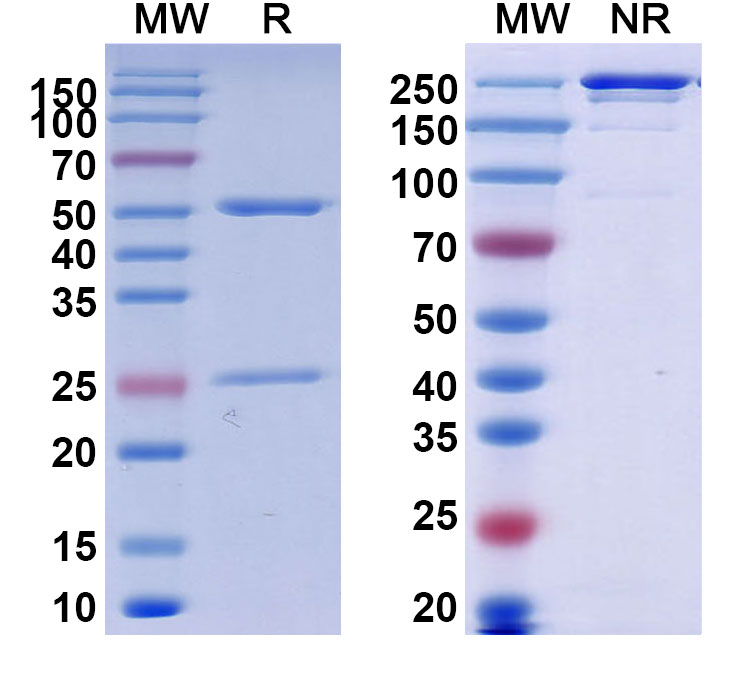
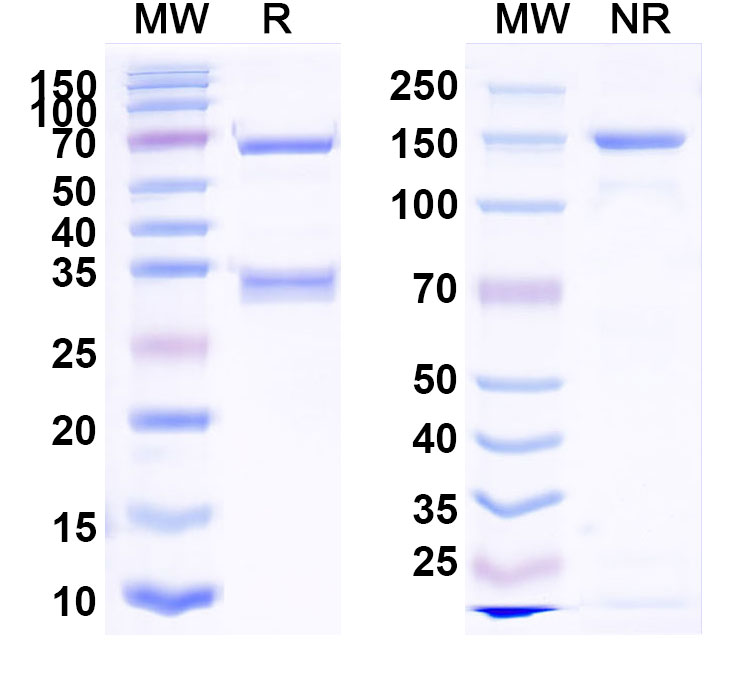
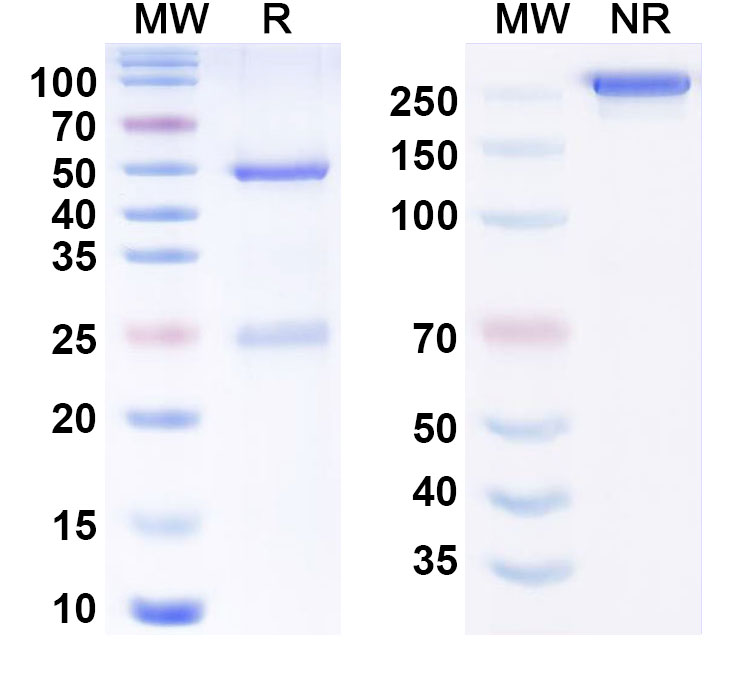
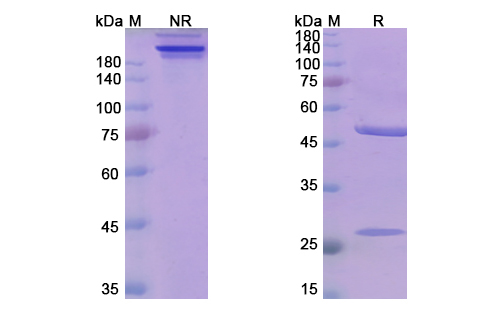
Obrindatamab Biosimilar is a recombinant humanized IgG1 monoclonal antibody, which means it is derived from human antibody sequences but has been modified to reduce its immunogenicity. It has a molecular weight of approximately 150 kDa and consists of two heavy chains and two light chains, which are linked together by disulfide bonds. The variable regions of the antibody are responsible for binding to the target proteins, CD276 and CD3E, while the constant regions mediate effector functions such as antibody-dependent cellular cytotoxicity (ADCC) and complement-dependent cytotoxicity (CDC).
Activity of Obrindatamab Biosimilar
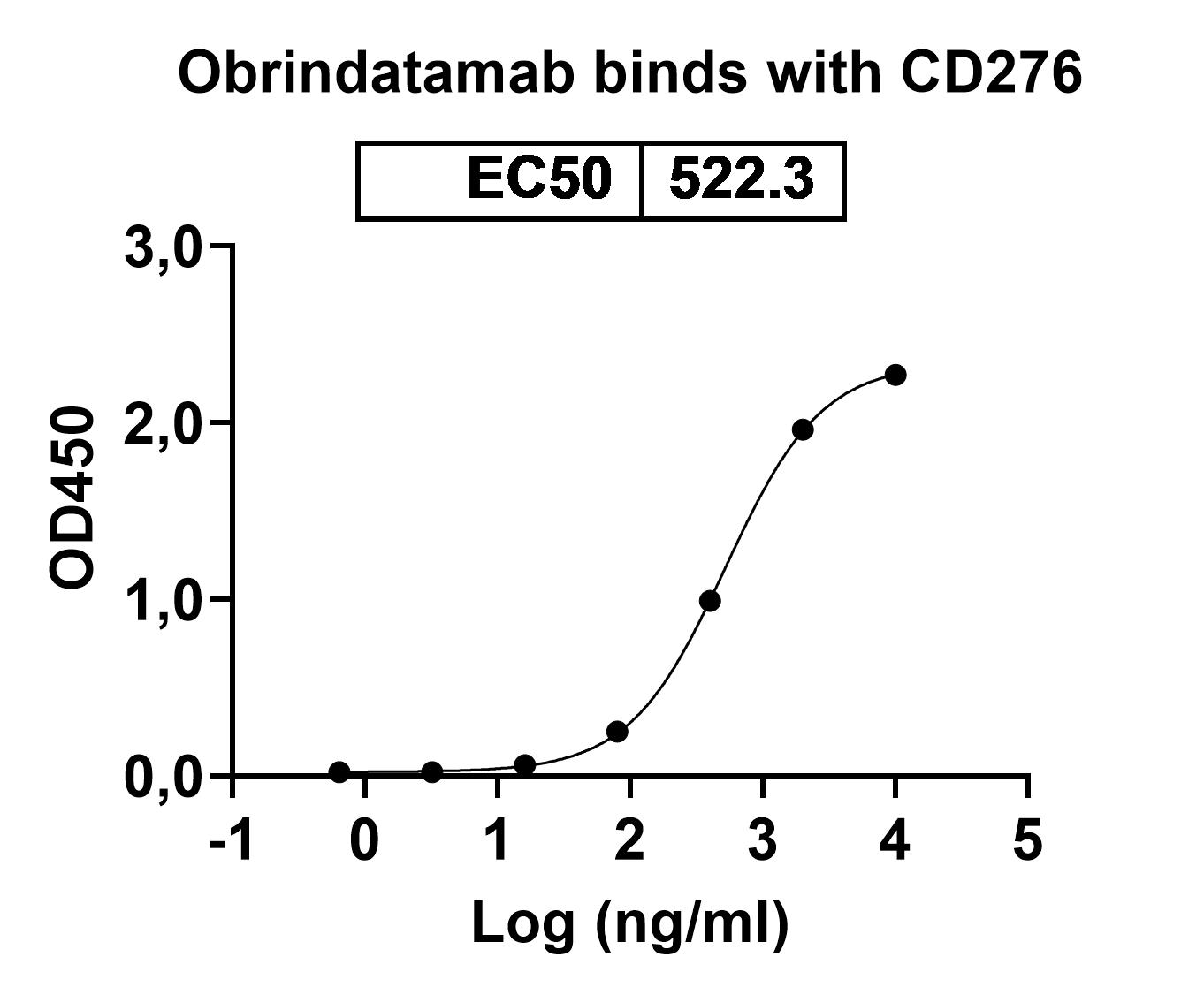
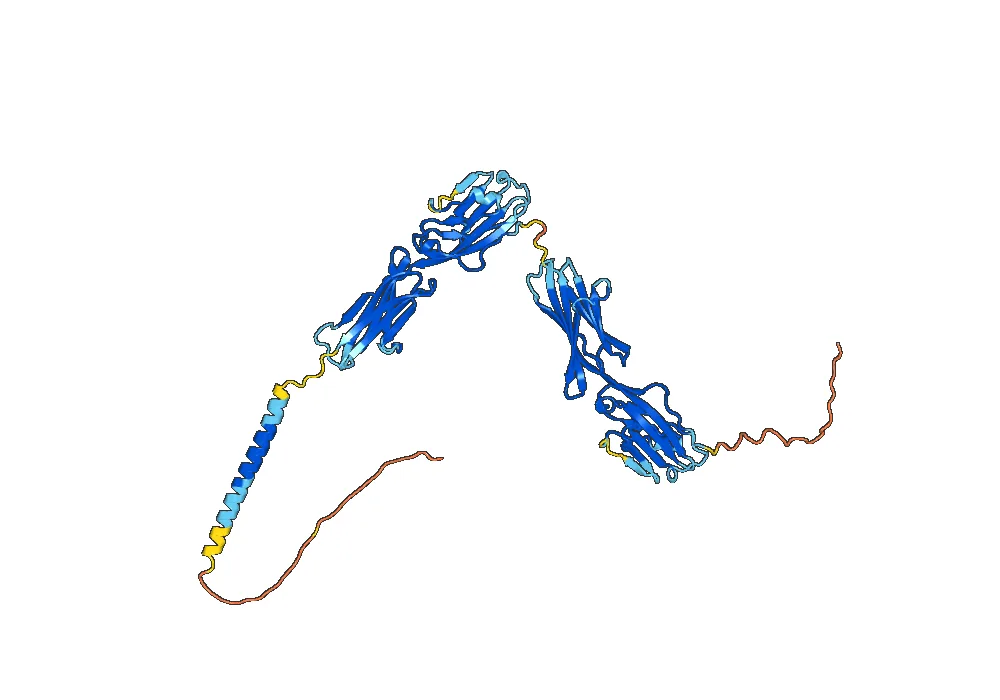
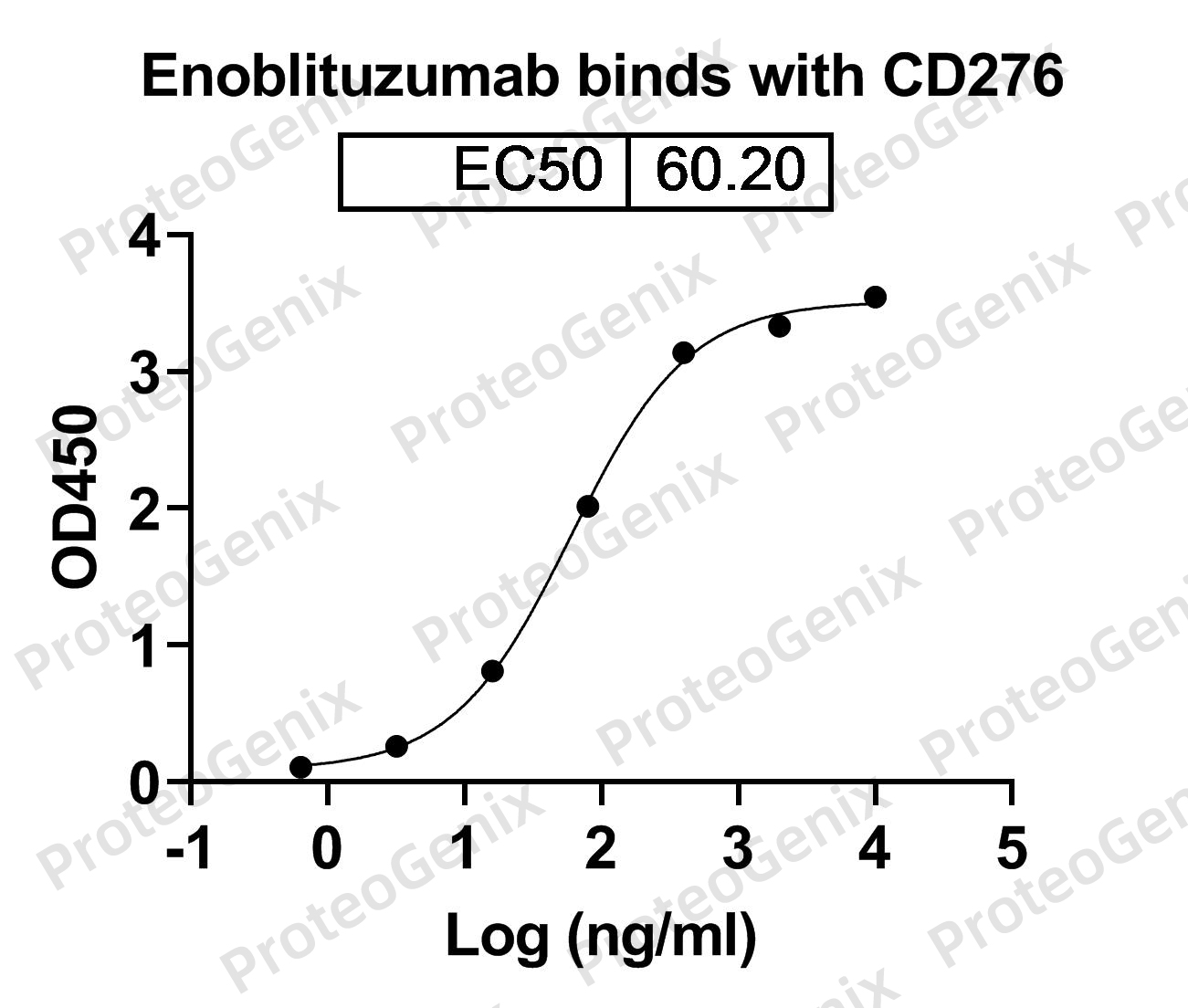
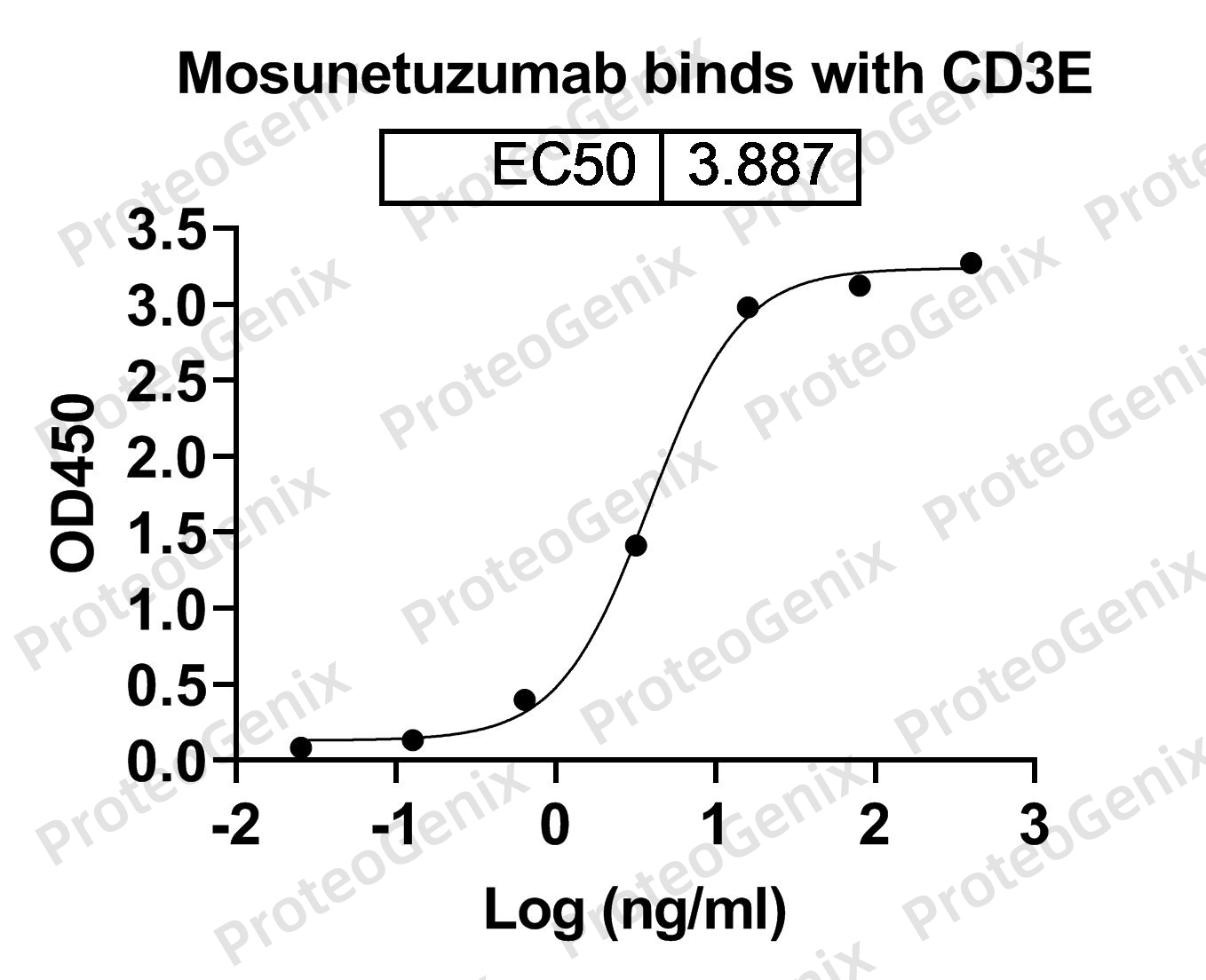
Obrindatamab Biosimilar exerts its activity by binding to CD276 and CD3E on the surface of cancer cells. CD276, also known as B7-H3, is a cell surface protein that is overexpressed in various types of cancer, including breast, lung, and prostate cancer. It has been shown to promote tumor growth, invasion, and metastasis, as well as suppress immune responses. CD3E, on the other hand, is a component of the T-cell receptor complex that is essential for T-cell activation and function. By targeting both CD276 and CD3E, Obrindatamab Biosimilar can simultaneously inhibit tumor growth and enhance immune-mediated tumor cell killing.
Obrindatamab Biosimilar has also been shown to have a higher binding affinity for CD276 compared to Obrintuzumab, which may result in improved efficacy and potency. Furthermore, it has been engineered to have a longer half-life, which allows for less frequent dosing and potentially better patient compliance.
Applications of Obrindatamab Biosimilar
Obrindatamab Biosimilar is being investigated as a potential treatment for various types of cancer, including breast, lung, and ovarian cancer. It has shown promising results in preclinical studies, demonstrating potent antitumor activity and improved survival in animal models. In addition, a phase I clinical trial is currently ongoing to evaluate the safety and efficacy of Obrindatamab Biosimilar in patients with relapsed or refractory B-cell non-Hodgkin lymphoma.
Moreover, Obrindatamab Biosimilar has the potential to be used in combination with other cancer therapies, such as chemotherapy and immune checkpoint inhibitors. By targeting both the tumor cells and the immune system, it may enhance the efficacy of these treatments and overcome resistance to therapy.
Conclusion
Obrindatamab Biosimilar is a promising therapeutic agent that specifically targets CD276 and CD3E, two proteins that play critical roles in cancer progression and immune response. Its unique structure and improved binding affinity make it a potential alternative to Obrintuzumab, with the potential for improved efficacy and potency. With ongoing clinical trials and potential applications in various types of cancer, Obrindatamab Biosimilar has the potential to become a valuable addition to the arsenal of cancer treatments.

There are no reviews yet.