Introduction
Obertamig Biosimilar – Anti-HLAG mAb is a novel therapeutic antibody targeting the Human Leukocyte Antigen-G (HLA-G) protein. This biosimilar is a recombinant monoclonal antibody (mAb) that has been developed for research purposes. In this article, we will provide a detailed scientific description of the structure, activity, and potential applications of Obertamig Biosimilar – Anti-HLAG mAb.
Structure of Obertamig Biosimilar – Anti-HLAG mAb
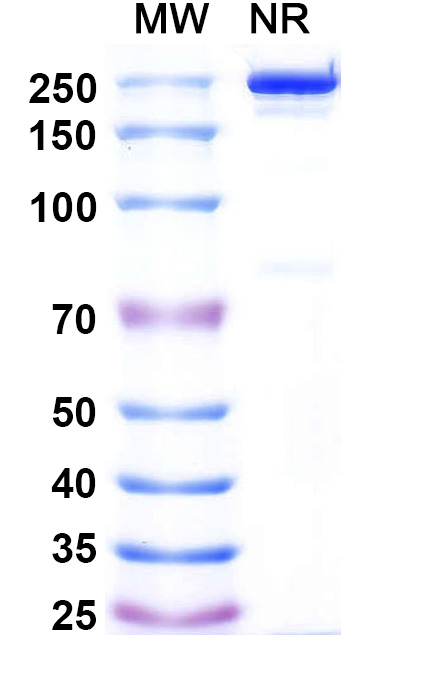
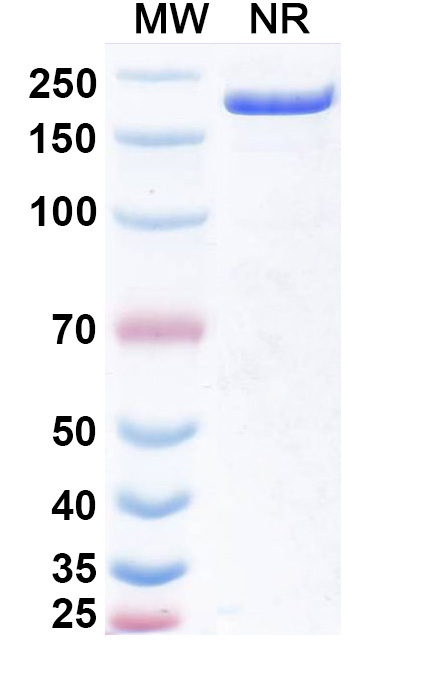
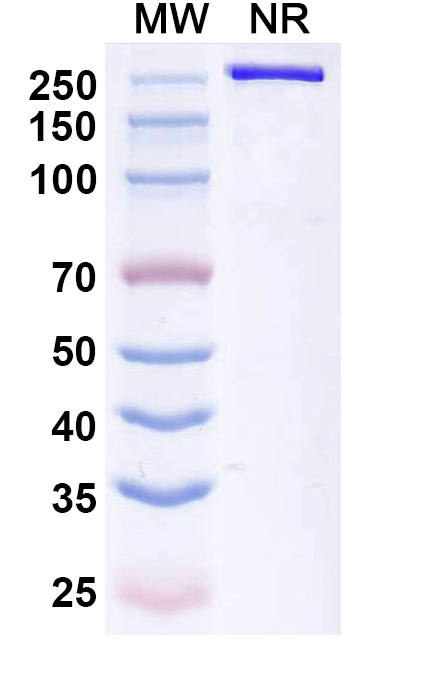
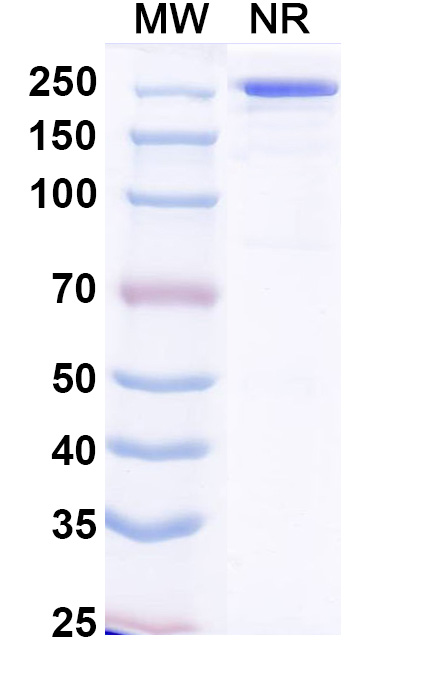
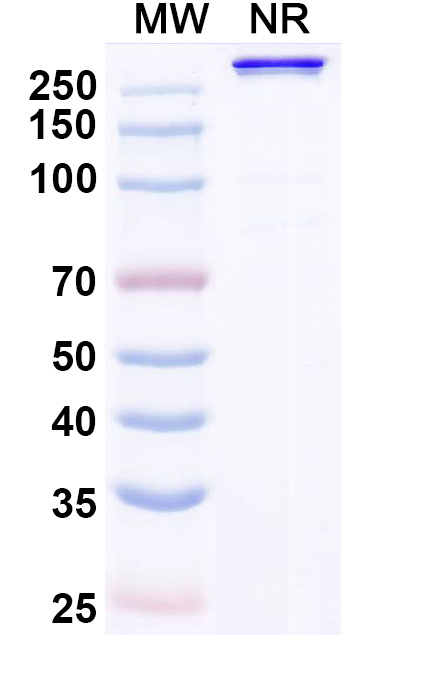
Obertamig Biosimilar – Anti-HLAG mAb is a humanized IgG1 monoclonal antibody with a molecular weight of approximately 150 kDa. It is composed of two heavy chains and two light chains, each containing a variable region and a constant region. The variable region of the antibody is responsible for binding to the HLA-G protein, while the constant region is responsible for effector functions such as complement activation and antibody-dependent cellular cytotoxicity.
The amino acid sequence of Obertamig Biosimilar – Anti-HLAG mAb has been engineered to have a high affinity and specificity for HLA-G. This has been achieved by using a combination of human and murine sequences, resulting in a chimeric antibody with a reduced immunogenicity potential.
Activity of Obertamig Biosimilar – Anti-HLAG mAb
The primary mode of action of Obertamig Biosimilar – Anti-HLAG mAb is the binding and neutralization of HLA-G. HLA-G is a non-classical major histocompatibility complex (MHC) class I molecule that is expressed on the surface of various cells, including tumor cells and immune cells. It plays a critical role in immune tolerance and has been implicated in the escape of tumor cells from immune surveillance.
Obertamig Biosimilar – Anti-HLAG mAb binds to HLA-G with high affinity and blocks its interaction with its receptors, including the inhibitory receptors on immune cells. This results in the activation of immune cells and the enhancement of anti-tumor immune responses. Additionally, Obertamig Biosimilar – Anti-HLAG mAb can induce antibody-dependent cellular cytotoxicity, leading to the destruction of HLA-G-expressing tumor cells.
Applications of Obertamig Biosimilar – Anti-HLAG mAb
Obertamig Biosimilar – Anti-HLAG mAb has potential applications in various fields, including cancer research and immunotherapy. Its ability to block the immunosuppressive effects of HLA-G makes it a promising candidate for the treatment of cancer. It can be used alone or in combination with other anti- cancer therapies to enhance their efficacy.
In addition to cancer, Obertamig Biosimilar – Anti-HLAG mAb has also shown potential in the treatment of autoimmune diseases. HLA-G has been implicated in the pathogenesis of various autoimmune disorders, and Obertamig Biosimilar – Anti-HLAG mAb can potentially modulate immune responses and ameliorate disease symptoms.
Furthermore, Obertamig Biosimilar – Anti-HLAG mAb can also be used as a research tool to study the role of HLA-G in immune tolerance and cancer progression. Its high specificity and affinity for HLA-G make it a valuable tool for studying the mechanisms of action of this protein and its potential as a therapeutic target.
Conclusion
In summary, Obertamig Biosimilar – Anti-HLAG mAb is a novel therapeutic antibody targeting HLA-G. Its unique structure and high specificity for HLA-G make it a promising candidate for the treatment of cancer and autoimmune diseases. It can also serve as a valuable research tool for studying the role of HLA-G in various diseases. Further studies and clinical trials are needed to fully explore the potential of Obertamig Biosimilar – Anti-HLAG mAb as a therapeutic agent.

There are no reviews yet.