Introduction
Eramkafusp Biosimilar is a novel therapeutic antibody that has recently gained attention in the field of immunotherapy. This biosimilar is a monoclonal antibody (mAb) that targets the CD20 antigen, a protein found on the surface of B-cells. In this article, we will discuss the structure, activity, and potential applications of Eramkafusp Biosimilar in research settings.
Structure of Eramkafusp Biosimilar
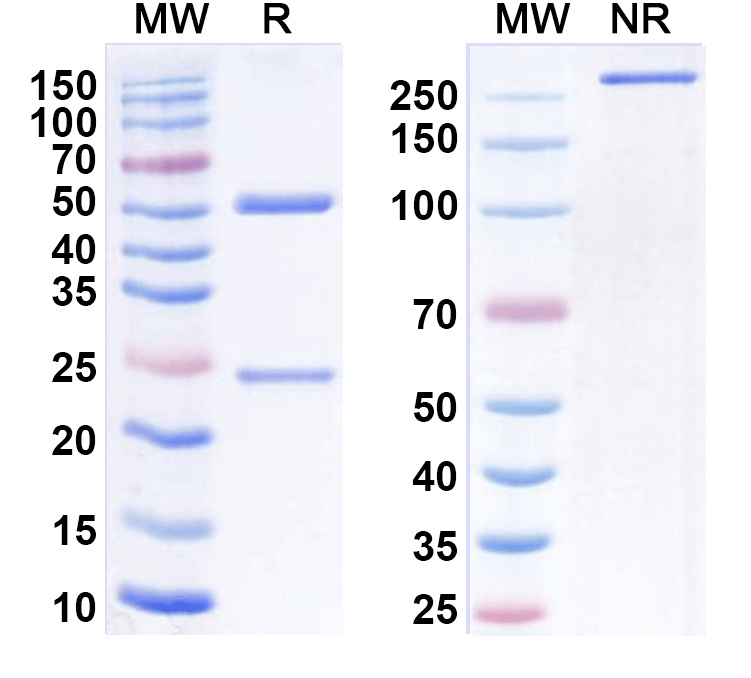
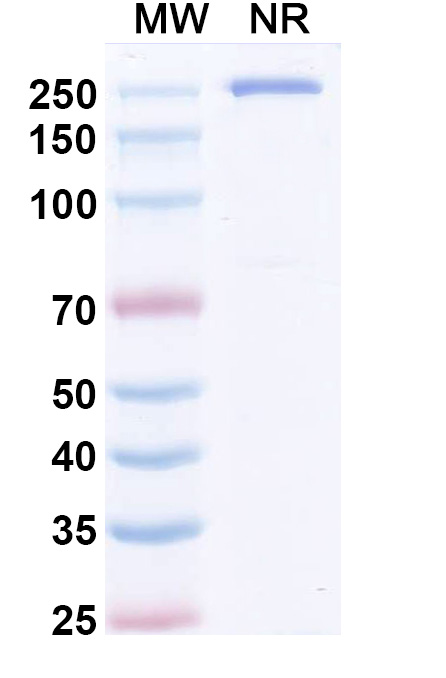
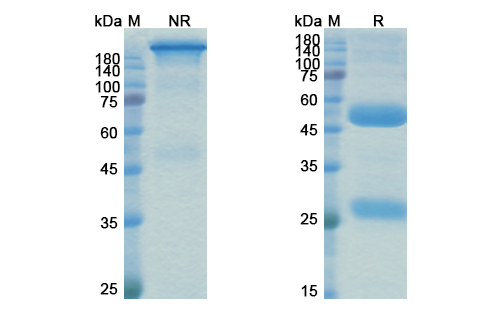
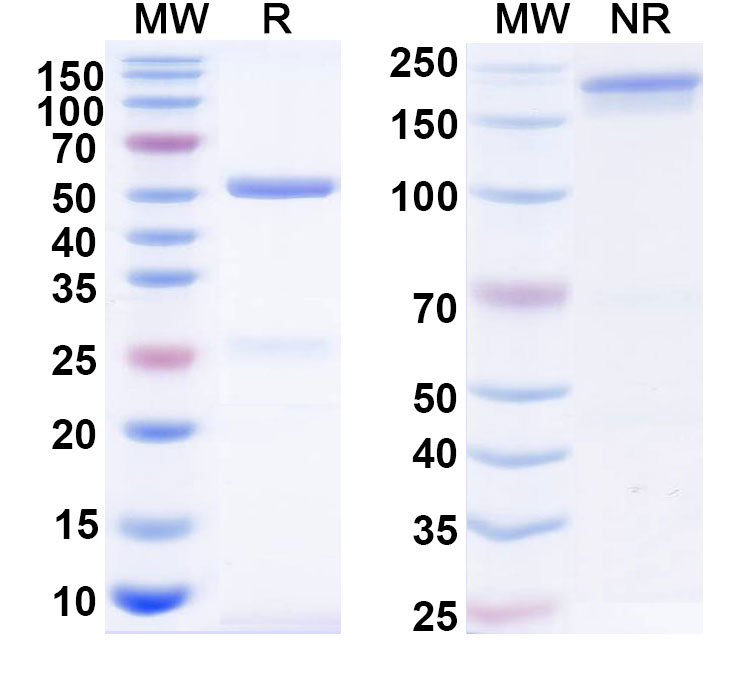
Eramkafusp Biosimilar is a recombinant humanized IgG1 monoclonal antibody. It is produced by genetically engineering Chinese hamster ovary (CHO) cells to express the humanized antibody. The antibody has a molecular weight of approximately 150 kDa and consists of two heavy chains and two light chains. The heavy chains are composed of four constant domains (CH1, CH2, CH3, and CH4) and one variable domain (VH), while the light chains have two constant domains (CL) and one variable domain (VL). The variable domains of both the heavy and light chains are responsible for binding to the CD20 antigen.
Activity of Eramkafusp Biosimilar
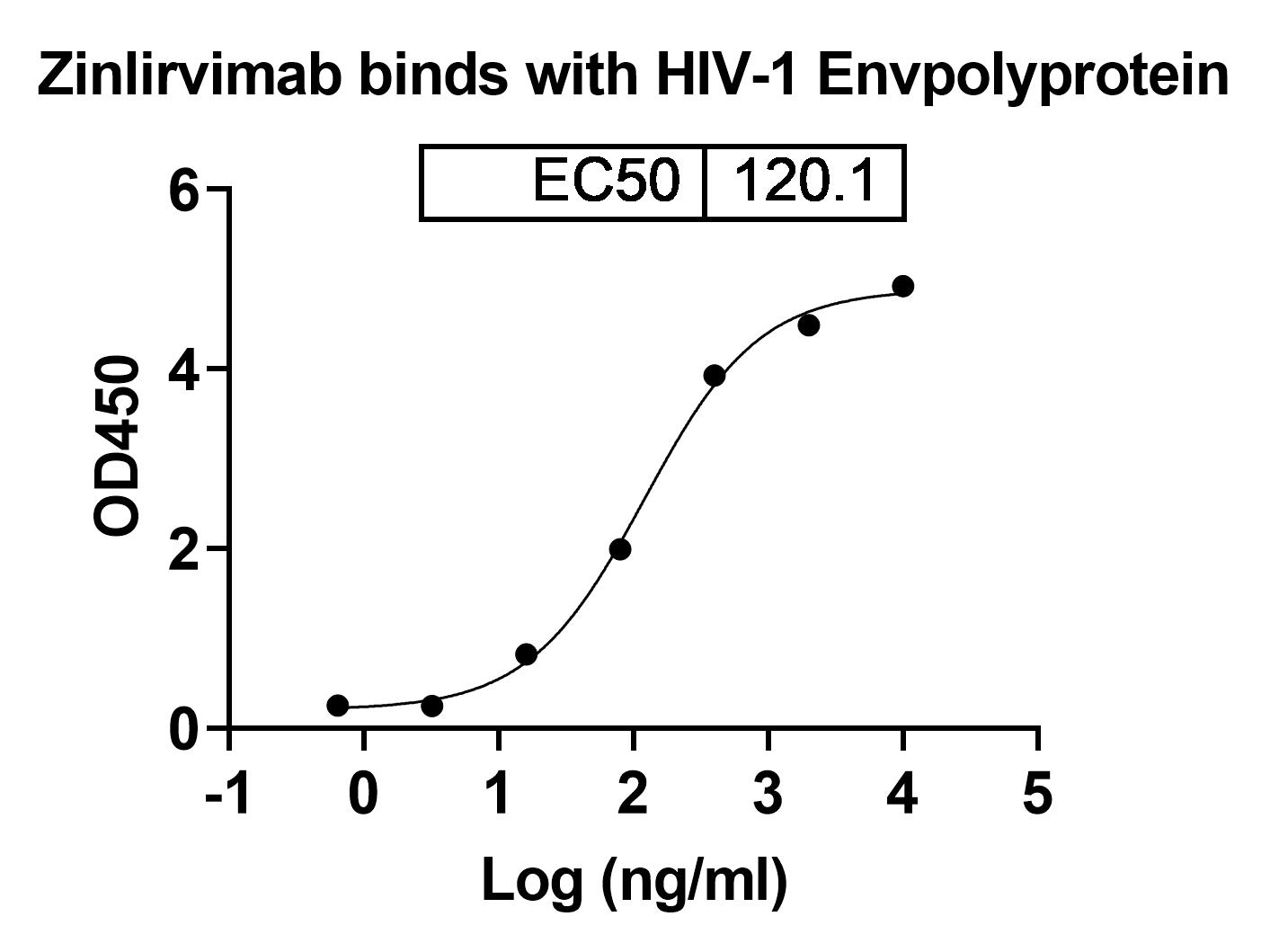
The main activity of Eramkafusp Biosimilar is to target and bind to the CD20 antigen. This antigen is predominantly expressed on the surface of B-cells, including both normal and malignant B-cells. Upon binding to CD20, Eramkafusp Biosimilar triggers a series of immune responses, leading to the destruction of the targeted B-cells. These responses include antibody-dependent cellular cytotoxicity (ADCC), complement-dependent cytotoxicity (CDC), and apoptosis.
In addition to its direct activity on B-cells, Eramkafusp Biosimilar also has immunomodulatory effects. It has been shown to inhibit B-cell activation and proliferation, as well as modulate the production of cytokines and chemokines. These effects may contribute to the overall efficacy of Eramkafusp Biosimilar in treating B-cell related diseases.
Potential Applications in Research
Eramkafusp Biosimilar has shown promising results in preclinical and clinical studies for various B-cell related diseases. Its potential applications in research include the following:
1. B-cell Lymphomas Eramkafusp Biosimilar has been studied as a potential treatment for B-cell lymphomas, including non-Hodgkin lymphoma (NHL) and chronic lymphocytic leukemia (CLL). In clinical trials, it has shown significant efficacy in inducing remission and improving overall survival in patients with these diseases.
2. Autoimmune Diseases Due to its immunomodulatory effects, Eramkafusp Biosimilar has also been investigated as a potential treatment for autoimmune diseases such as rheumatoid arthritis, systemic lupus erythematosus, and multiple sclerosis. In preclinical studies, it has shown promising results in reducing disease severity and improving symptoms.
3.
Transplant Rejection
Eramkafusp Biosimilar has also been studied as a potential therapy for preventing transplant rejection. It has been shown to effectively deplete B-cells, which play a role in the rejection process, without affecting other immune cells.
4. Research Tool Eramkafusp Biosimilar can also serve as a valuable research tool for studying B-cells and their role in various diseases. Its specificity and potency make it a useful tool for investigating the mechanisms of B-cell activation, proliferation, and survival.
Conclusion
Eramkafusp Biosimilar is a promising therapeutic antibody that targets the CD20 antigen on B-cells. Its unique structure and activity make it an effective treatment for various B-cell related diseases. In addition, it has potential applications in research, making it a valuable tool for studying B

There are no reviews yet.