Introduction
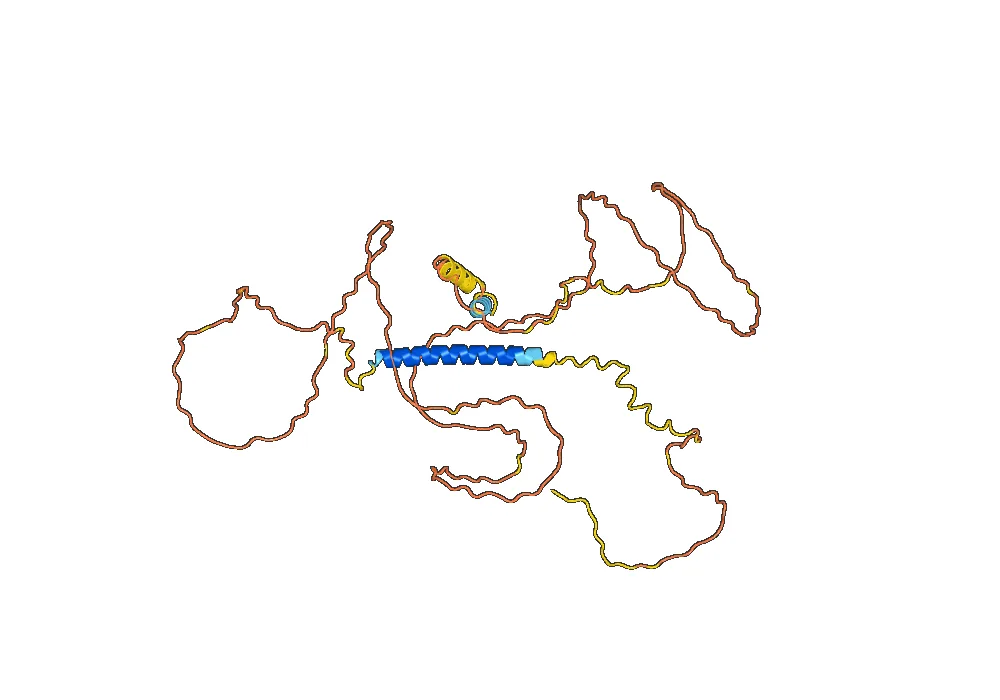
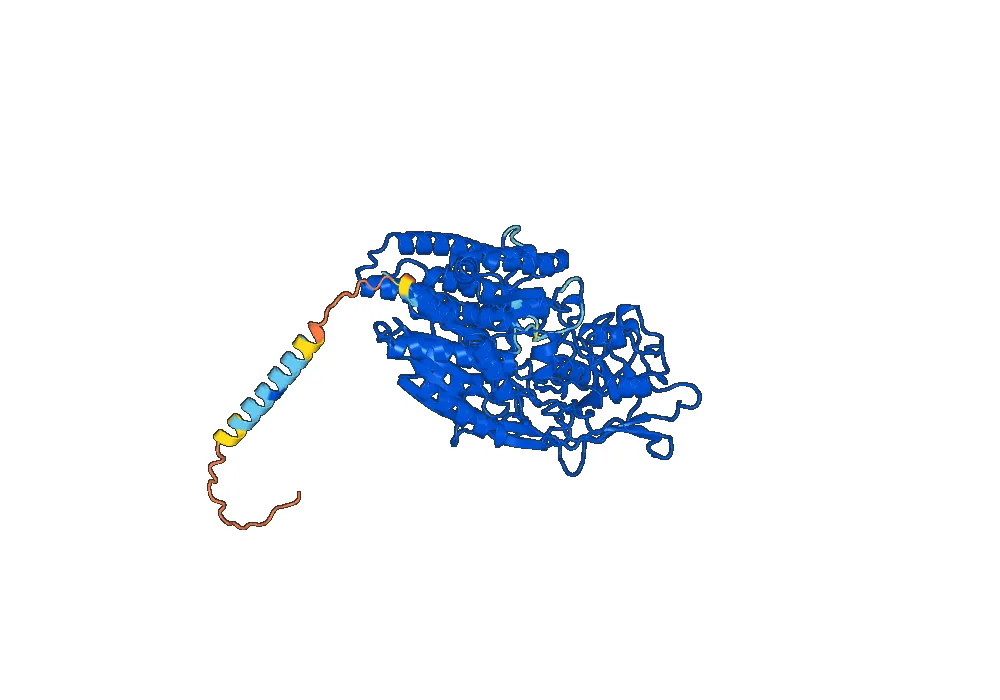
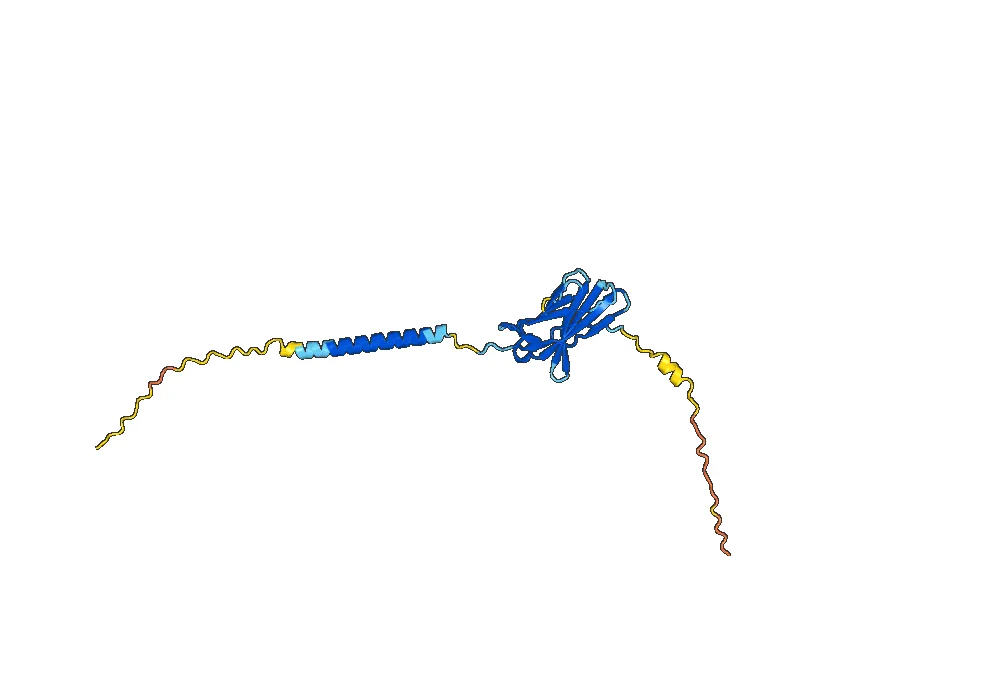
Neihulizumab Biosimilar, also known as Anti-Selectin P ligand mAb, is a monoclonal antibody that has been developed as a biosimilar to the original Neihulizumab. It is a research grade antibody that specifically targets the Selectin P ligand, a protein involved in the inflammatory response. In this article, we will explore the structure, activity, and potential applications of Neihulizumab Biosimilar.
Structure of Neihulizumab Biosimilar
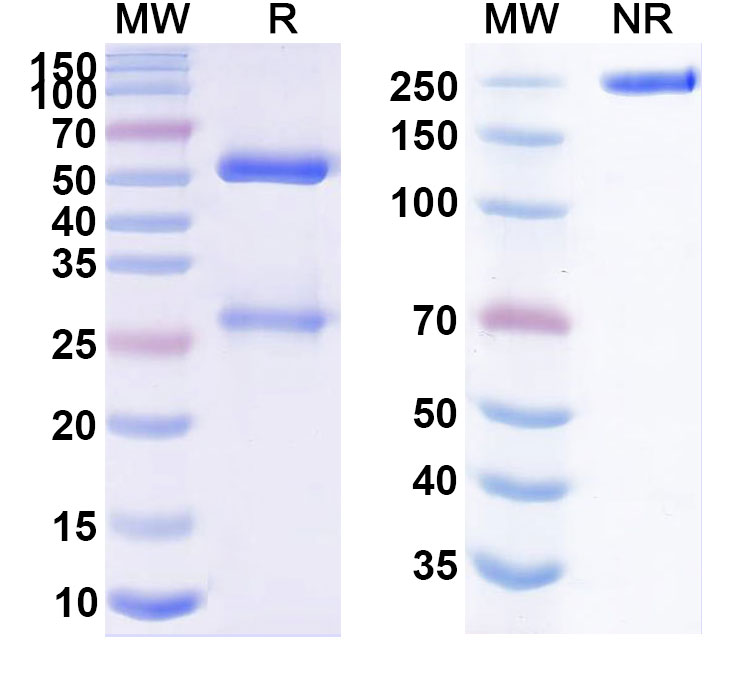
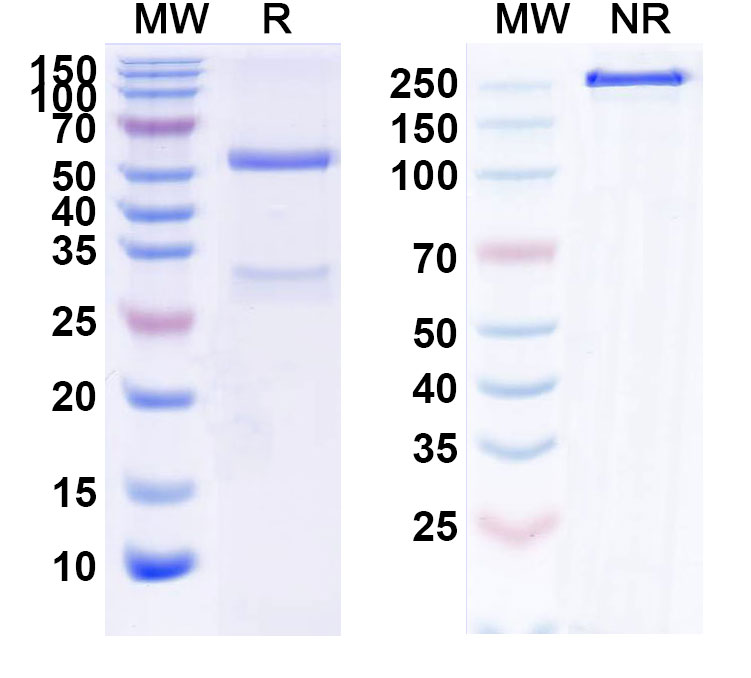
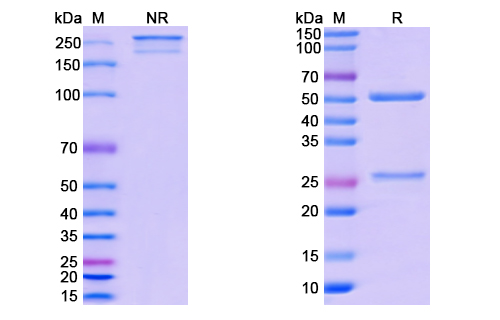
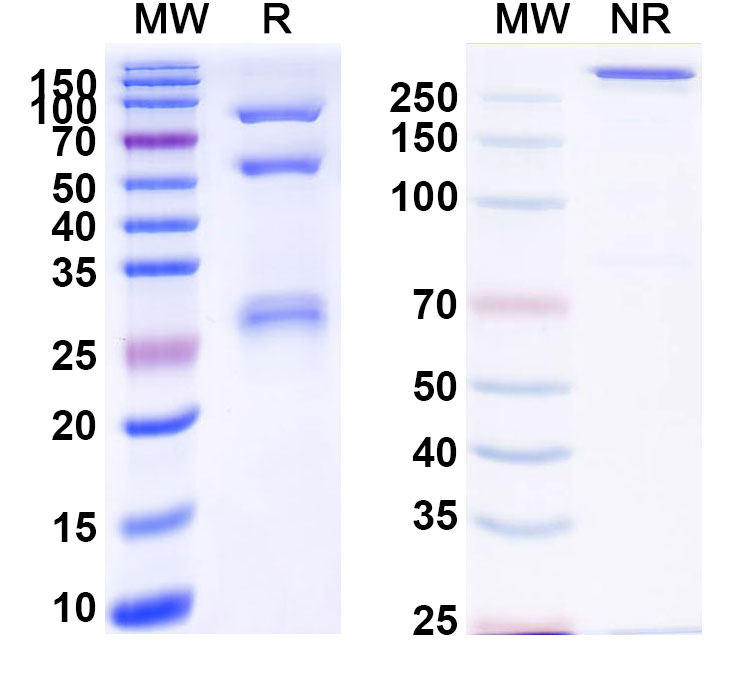
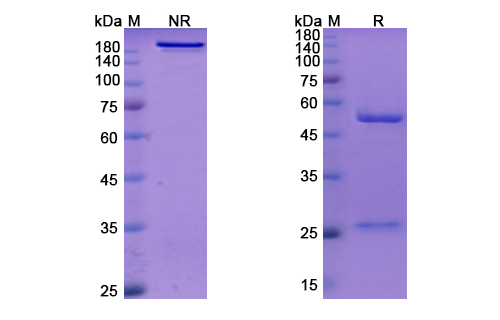
Neihulizumab Biosimilar is a recombinant humanized monoclonal antibody that is produced in Chinese hamster ovary (CHO) cells. It is composed of two heavy chains and two light chains, each containing a variable region and a constant region. The variable region of the antibody is responsible for binding to the Selectin P ligand, while the constant region determines the effector functions of the antibody.
Activity of Neihulizumab Biosimilar
Neihulizumab Biosimilar works by binding to the Selectin P ligand, a protein found on the surface of activated immune cells. This binding prevents the interaction of the Selectin P ligand with its receptor, P-selectin, which is responsible for the recruitment of immune cells to sites of inflammation. By blocking this interaction, Neihulizumab Biosimilar inhibits the inflammatory response and reduces tissue damage.
In addition to its anti-inflammatory activity, Neihulizumab Biosimilar has been shown to have immunomodulatory effects. It can regulate the production of cytokines, which are signaling molecules involved in the immune response. This may be beneficial in conditions where an overactive immune response is causing harm, such as autoimmune diseases.
Applications of Neihulizumab Biosimilar
Neihulizumab Biosimilar is currently being studied for its potential use in various inflammatory and autoimmune conditions. It has shown promising results in preclinical and clinical trials for the treatment of diseases such as rheumatoid arthritis, psoriasis, and multiple sclerosis.
One of the potential applications of Neihulizumab Biosimilar is in the treatment of graft-versus-host disease (GVHD). This is a serious complication that can occur after a stem cell transplant, where the transplanted immune cells attack the recipient’s tissues. Neihulizumab Biosimilar may be able to prevent this by inhibiting the recruitment of immune cells to the affected tissues.
Another potential use of Neihulizumab Biosimilar is in the treatment of inflammatory bowel disease (IBD). In preclinical studies, it has been shown to reduce inflammation and improve symptoms in animal models of IBD. It may also have a role in the treatment of other inflammatory conditions, such as asthma and inflammatory skin disorders.
Conclusion
In summary, Neihulizumab Biosimilar is a research grade antibody that targets the Selectin P ligand, a protein involved in the inflammatory response. Its structure consists of two heavy chains and two light chains, and its activity is based on blocking the interaction between the Selectin P ligand and its receptor. Neihulizumab Biosimilar has shown potential in the treatment of various inflammatory and autoimmune conditions, and further research is ongoing to explore its full therapeutic potential.
There are no reviews yet.