Introduction
Marstacimab Biosimilar, also known as Anti-TFPI mAb, is a monoclonal antibody that has been developed as a biosimilar to the existing therapeutic antibody, Marstacimab. It is a promising therapeutic option for the treatment of various diseases and conditions, and its structure, activity and applications have been extensively studied and researched. In this article, we will delve into the details of Marstacimab Biosimilar, exploring its structure, mechanism of action, and potential therapeutic applications.
Structure of Marstacimab Biosimilar
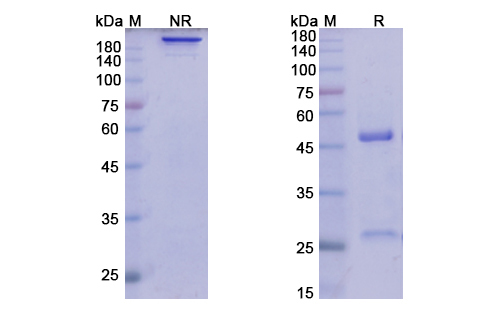
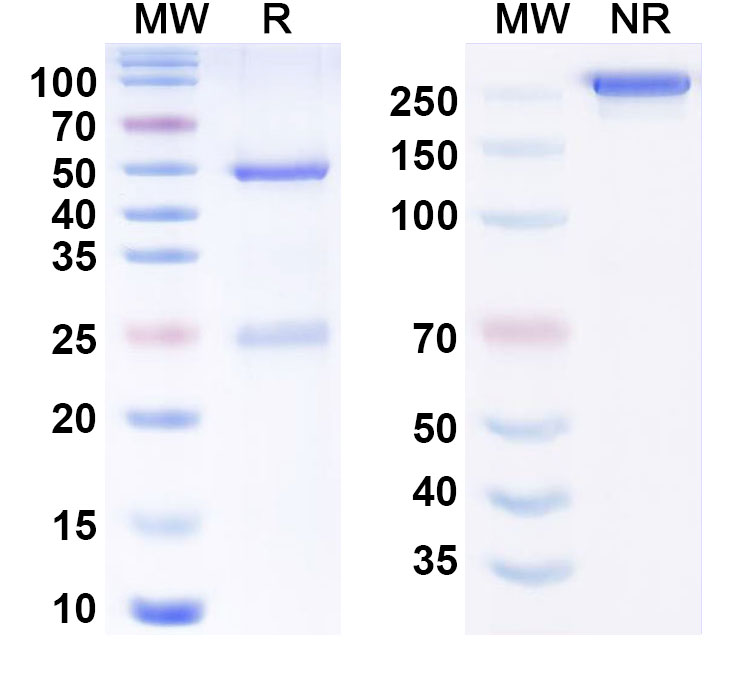
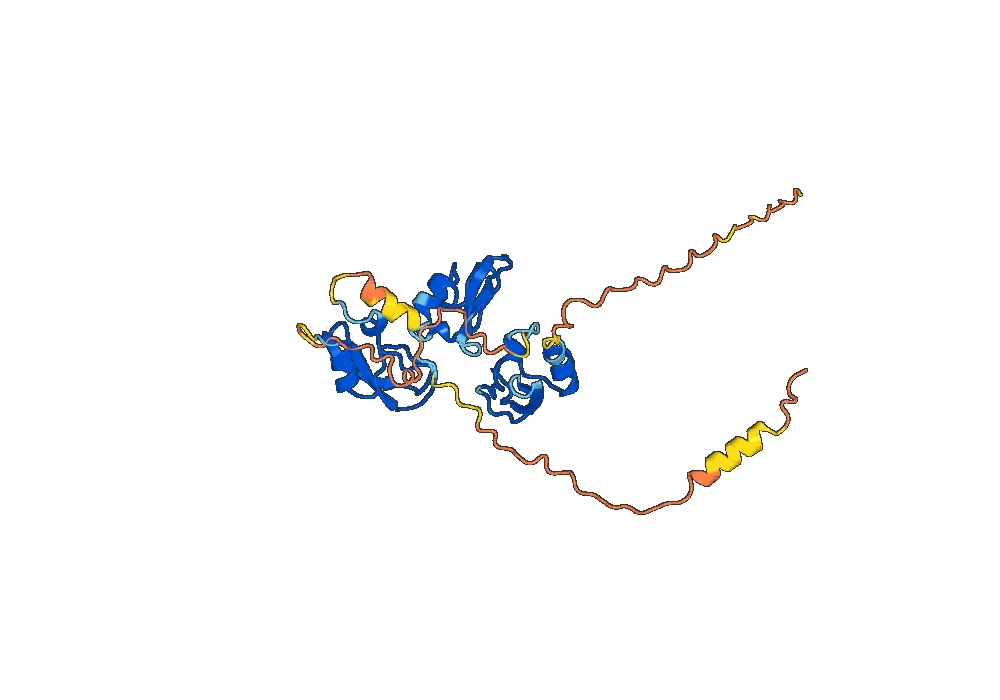
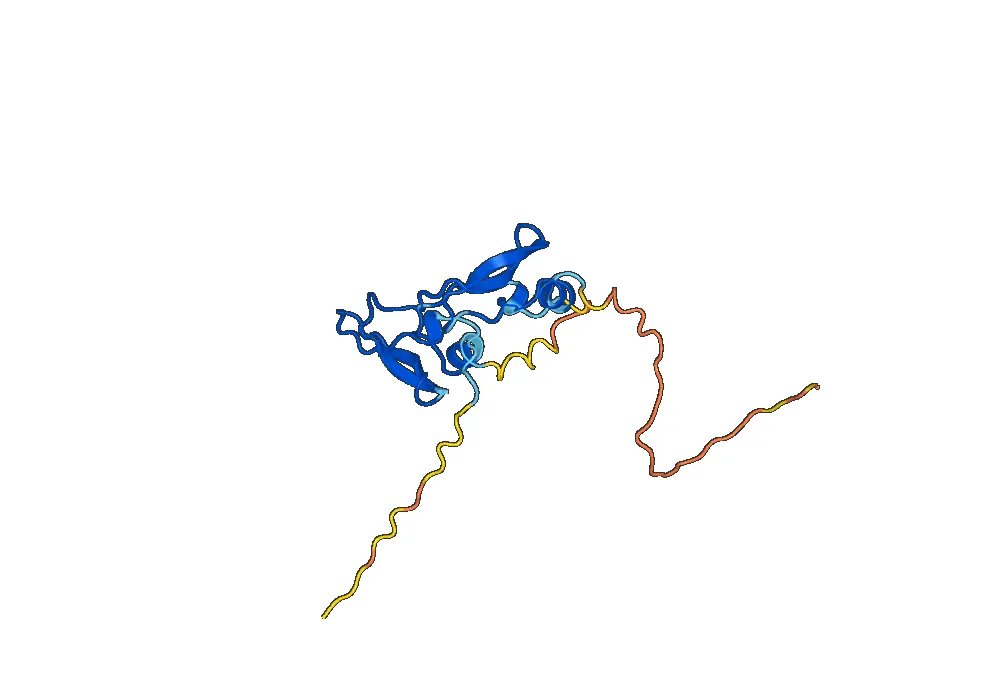
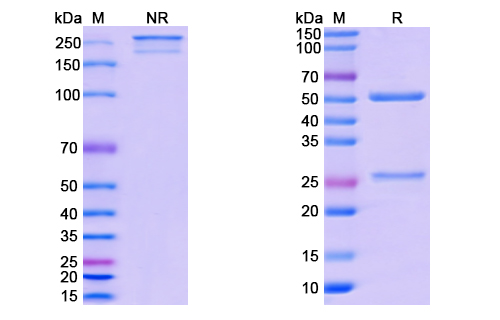
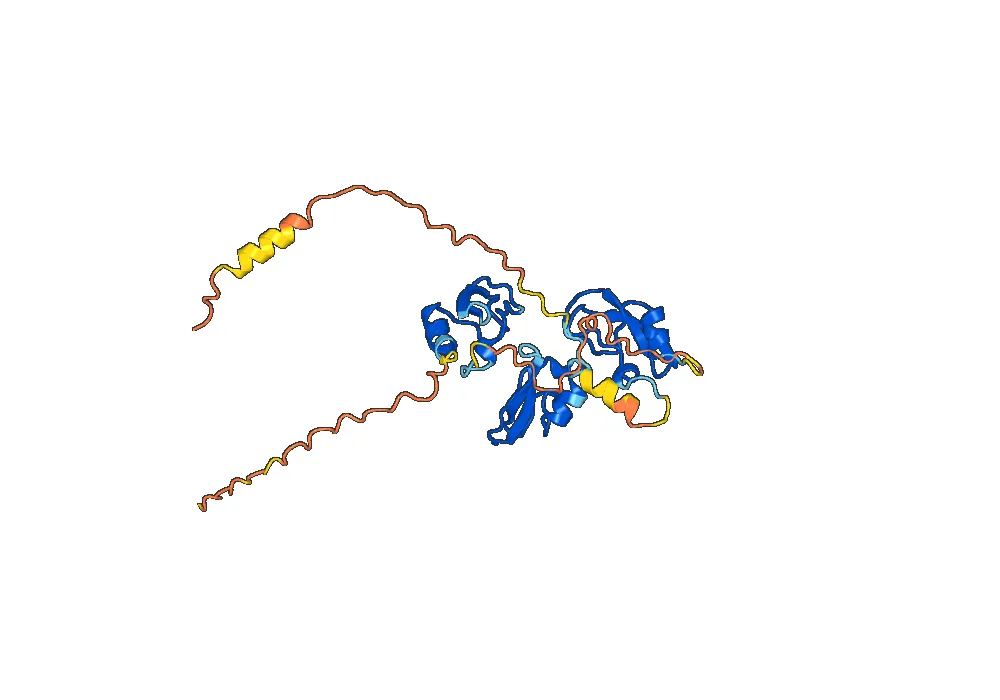
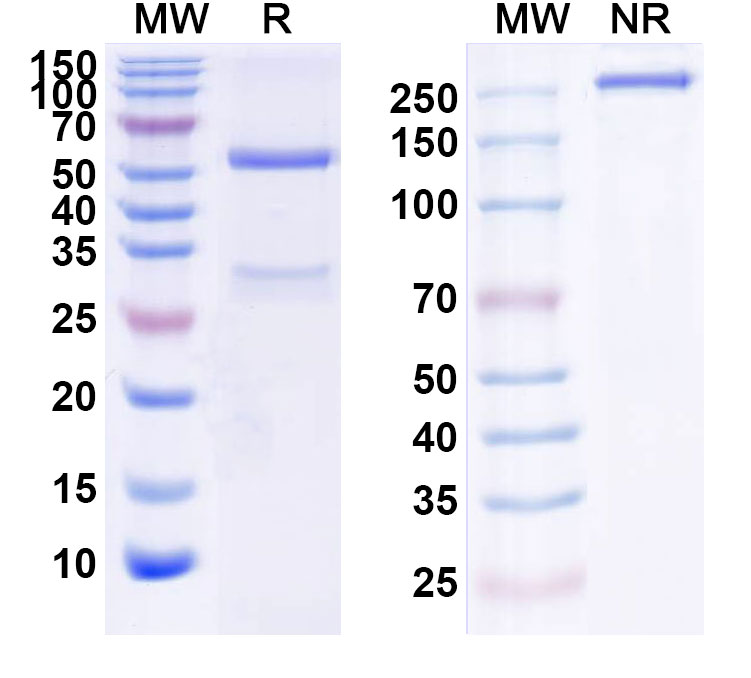
Marstacimab Biosimilar is a monoclonal antibody that specifically targets Tissue Factor Pathway Inhibitor (TFPI), a protein that plays a crucial role in regulating blood coagulation. The antibody is composed of two identical heavy chains and two identical light chains, linked together by disulfide bonds. The heavy chains consist of four constant domains (CH1, CH2, CH3, and CH4) and one variable domain (VH), while the light chains consist of one constant domain (CL) and one variable domain (VL). The variable domains are responsible for binding to the target protein, TFPI, while the constant domains provide structural stability and effector functions.
Mechanism of Action
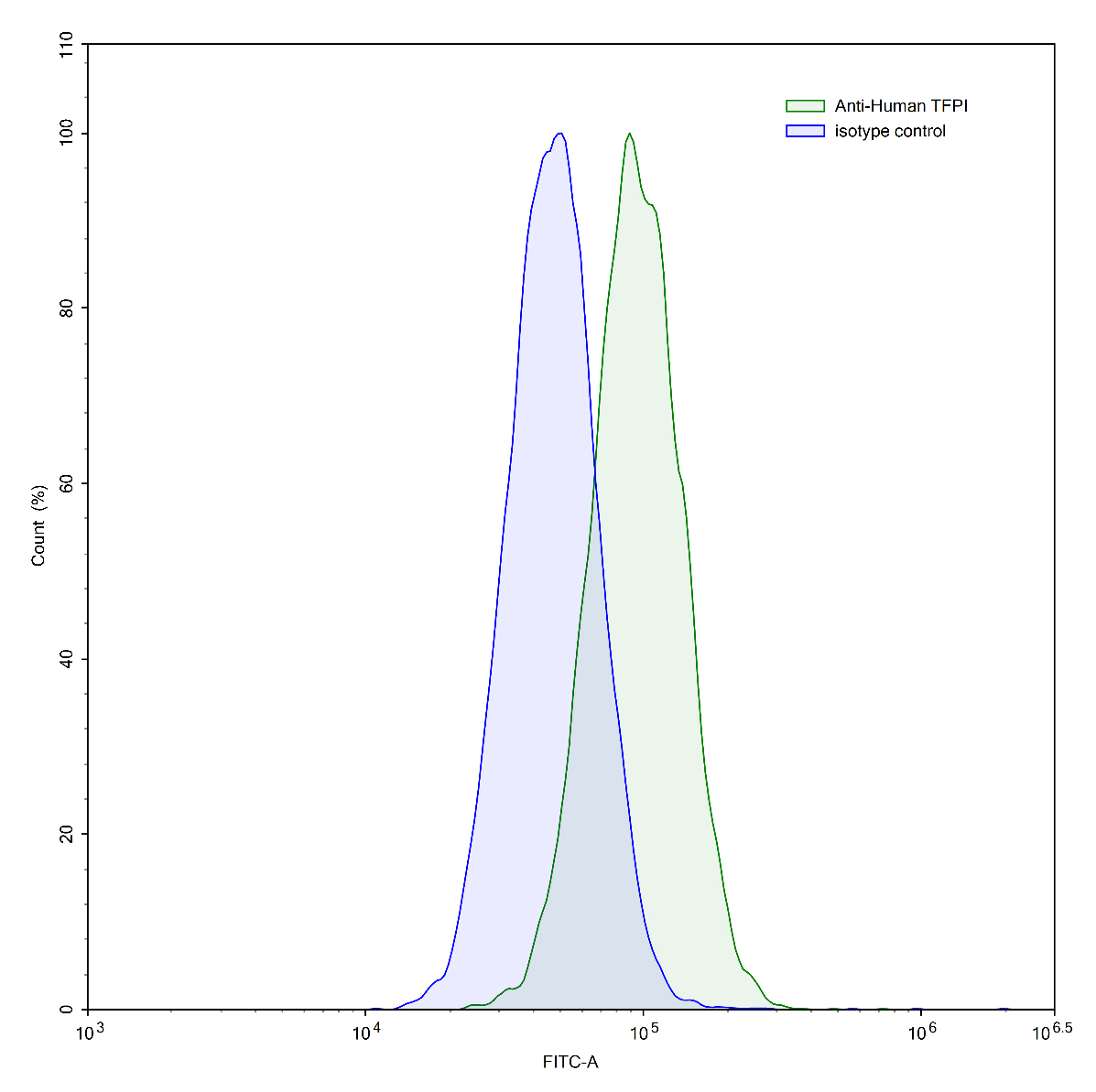
Marstacimab Biosimilar works by binding to TFPI and inhibiting its activity. TFPI is a natural inhibitor of Factor Xa, a key enzyme involved in the coagulation cascade. By binding to TFPI, Marstacimab Biosimilar prevents it from inhibiting Factor Xa, leading to increased levels of Factor Xa and ultimately promoting blood coagulation. This mechanism of action makes Marstacimab Biosimilar a potent anticoagulant, with potential applications in various diseases and conditions characterized by abnormal blood clotting.
Therapeutic Applications
Marstacimab Biosimilar has been studied for its potential therapeutic applications in various diseases and conditions. One of the most promising applications is in the treatment of hemophilia, a genetic disorder characterized by a deficiency in clotting factors, leading to excessive bleeding. By inhibiting TFPI, Marstacimab Biosimilar can promote blood clotting and reduce the risk of bleeding episodes in patients with hemophilia. Clinical trials have shown promising results, and the antibody is currently being evaluated for its efficacy and safety in hemophilia patients.
In addition to hemophilia, Marstacimab Biosimilar has also shown potential in the treatment of other bleeding disorders, such as von Willebrand disease and thrombocytopenia. It has also been studied for its potential use in preventing blood clots in patients with conditions such as deep vein thrombosis and pulmonary embolism. Furthermore, Marstacimab Biosimilar has shown promise in the treatment of certain types of cancer, where abnormal blood clotting is often a complication.
Conclusion
In summary, Marstacimab Biosimilar is a monoclonal antibody with a specific and potent mechanism of action against TFPI. Its structure, activity, and potential therapeutic applications have been extensively studied, making it a promising option for the treatment of various diseases and conditions. With ongoing research and clinical trials, Marstacimab Biosimilar has the potential to significantly improve the lives of patients suffering from bleeding disorders and other conditions characterized by abnormal blood clotting.

There are no reviews yet.