Title: Understanding the Structure and Function of Mapatumumab Biosimilar – Anti-TNFRSF10A, CD261 mAb
Introduction:
Mapatumumab Biosimilar is a monoclonal antibody (mAb) that targets TNFRSF10A, also known as CD261. It is a research grade biosimilar of the original Mapatumumab, which was developed for the treatment of various cancers. In this article, we will explore the structure, activity, and potential applications of this biosimilar.
Structure of Mapatumumab Biosimilar:
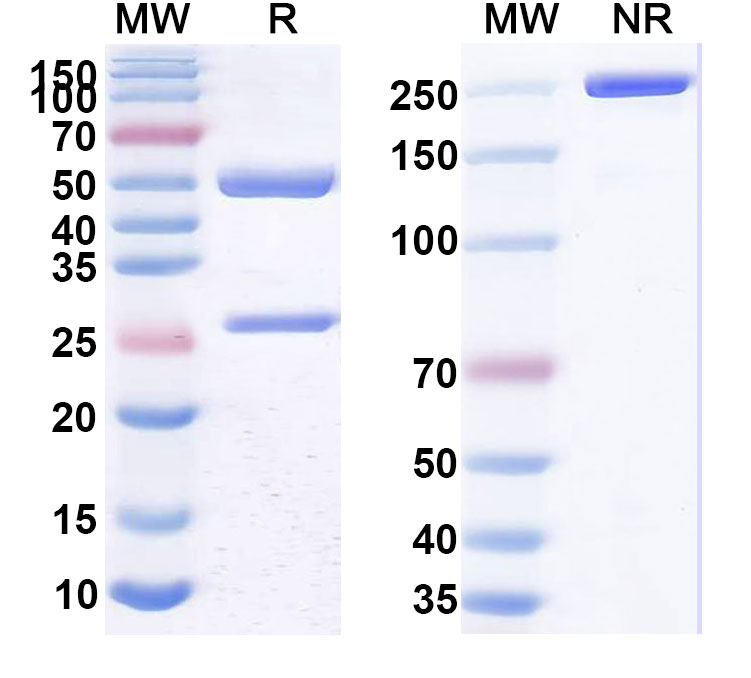
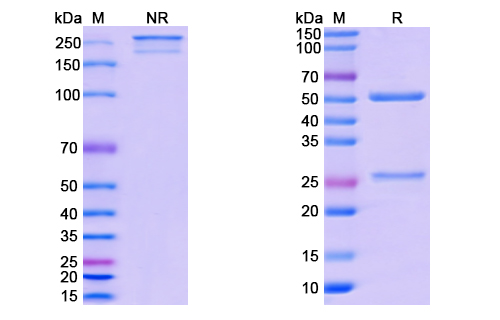
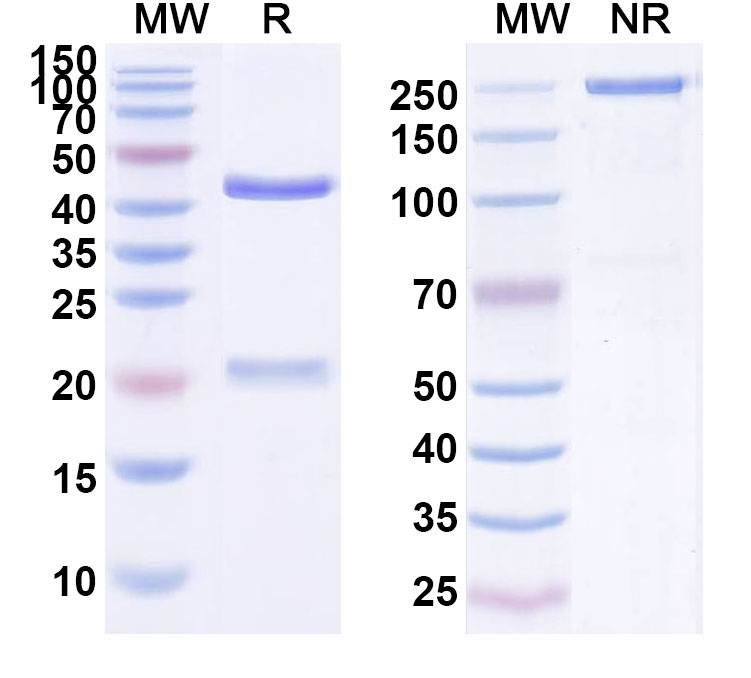
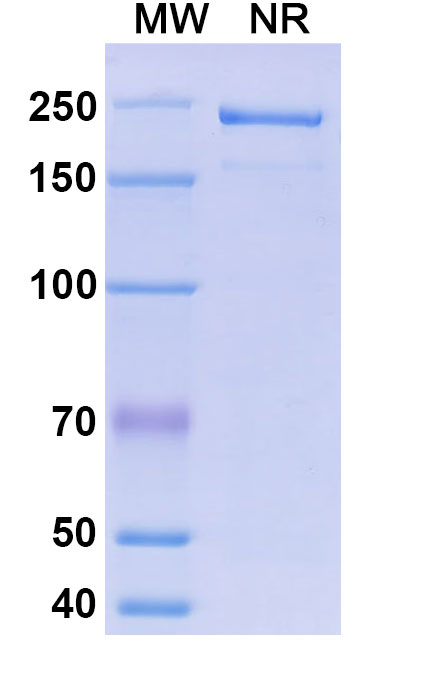
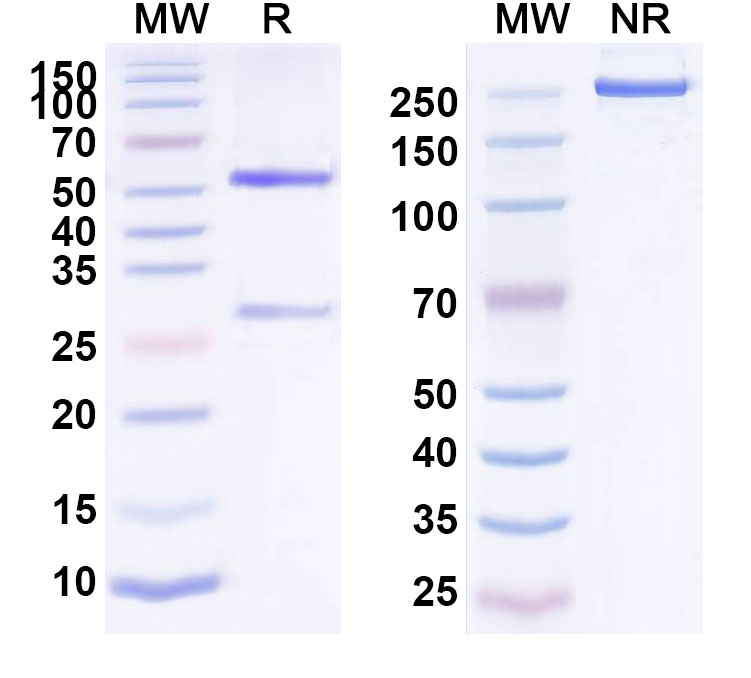
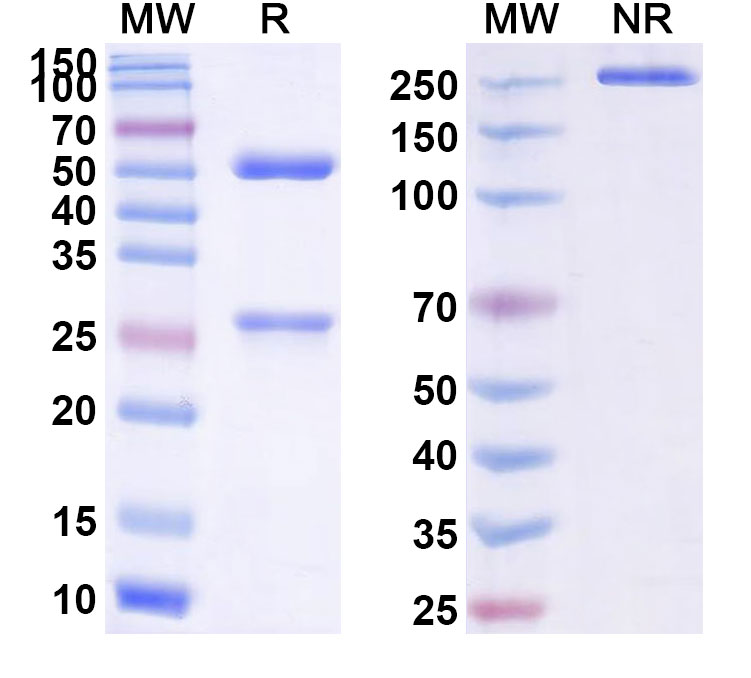
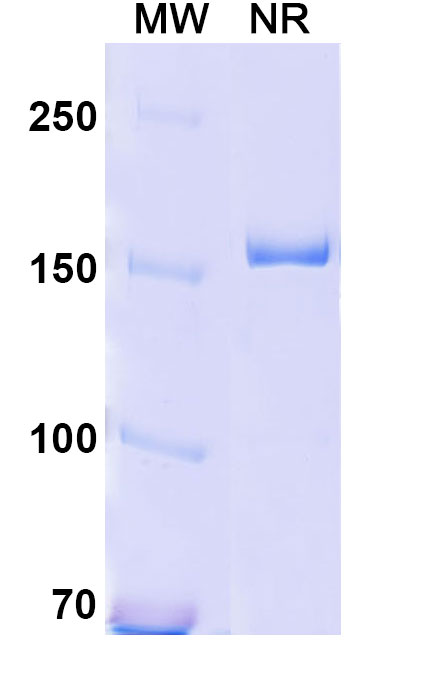
Mapatumumab Biosimilar is a recombinant, humanized IgG1 monoclonal antibody. It is composed of two heavy chains and two light chains, connected by disulfide bonds. The heavy chains consist of four constant regions (CH1, CH2, CH3, and CH4) and one variable region (VH), while the light chains have two constant regions (CL) and one variable region (VL). The variable regions of both the heavy and light chains are responsible for binding to the target protein, TNFRSF10A.
Activity of Mapatumumab Biosimilar:
As a biosimilar of Mapatumumab, this mAb also binds to TNFRSF10A, which is a member of the tumor necrosis factor receptor superfamily. TNFRSF10A is a cell surface receptor that is involved in the regulation of cell death, specifically apoptosis. It is highly expressed in various cancer cells, making it a potential therapeutic target. By binding to TNFRSF10A, Mapatumumab Biosimilar can activate the apoptotic pathway, leading to the death of cancer cells.
Potential Applications of Mapatumumab Biosimilar:
The primary application of Mapatumumab Biosimilar is in the treatment of various cancers. It has been studied in clinical trials for the treatment of solid tumors, such as lung, breast, and colorectal cancers. It has also shown promising results in hematological malignancies, including multiple myeloma and acute myeloid leukemia. Furthermore, Mapatumumab Biosimilar has been investigated in combination with other cancer therapies, such as chemotherapy and radiation, to enhance its efficacy.
Other potential applications of this biosimilar include its use as a diagnostic tool. The high expression of TNFRSF10A in cancer cells can be utilized for imaging and targeting purposes. Mapatumumab Biosimilar can be labeled with a radioactive isotope or a fluorescent dye and used for imaging tumors. Additionally, it can be conjugated with a cytotoxic drug to specifically target cancer cells and deliver the drug directly to the tumor site.
Conclusion:
Mapatumumab Biosimilar is a promising therapeutic agent for the treatment of various cancers. Its structure as a humanized monoclonal antibody and its specific binding to TNFRSF10A make it a safe and effective option for cancer therapy. With ongoing research and clinical trials, this biosimilar has the potential to improve the outcomes of cancer patients and become a valuable tool in the fight against cancer.

There are no reviews yet.