Introduction
Lucatumumab Biosimilar, also known as Anti-CD40 mAb, is a monoclonal antibody that targets the CD40 protein. This protein is a cell surface receptor found on various immune cells, including B cells, dendritic cells, and macrophages. Lucatumumab Biosimilar is a research-grade antibody that has shown promising results in preclinical studies and is being developed as a potential therapeutic for various diseases.
Structure of Lucatumumab Biosimilar
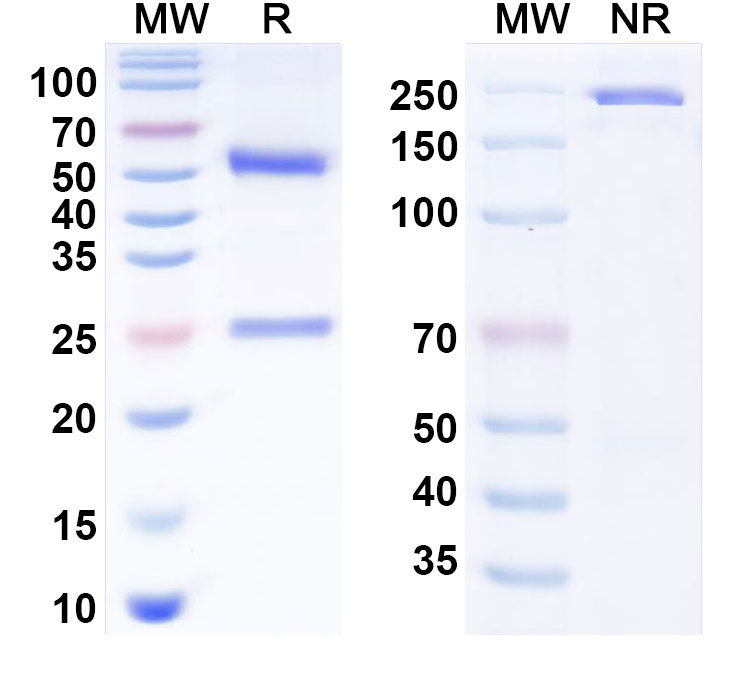
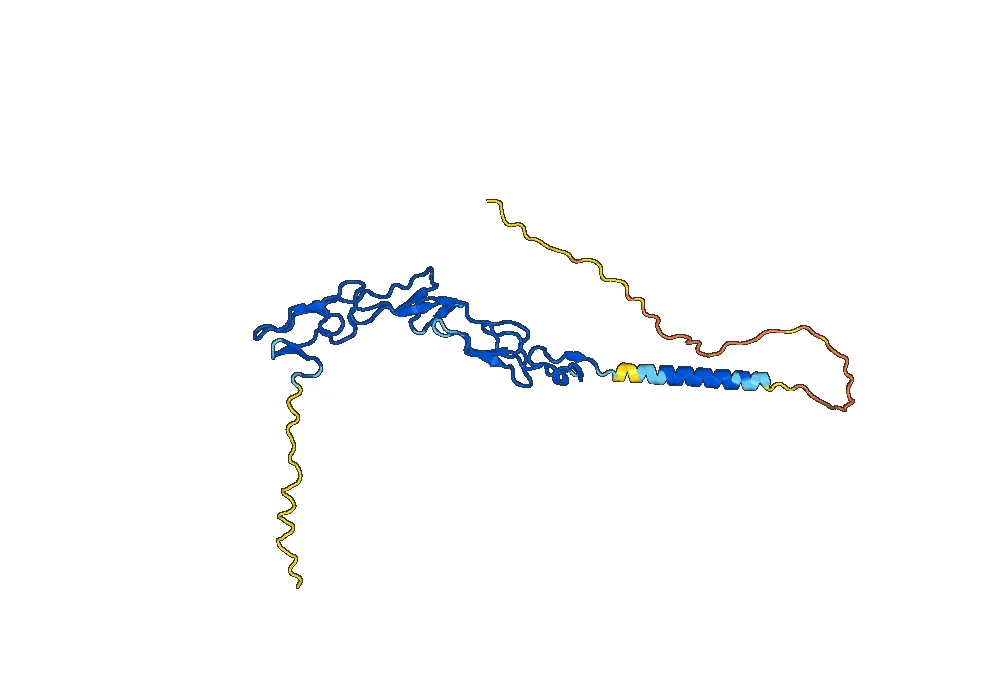
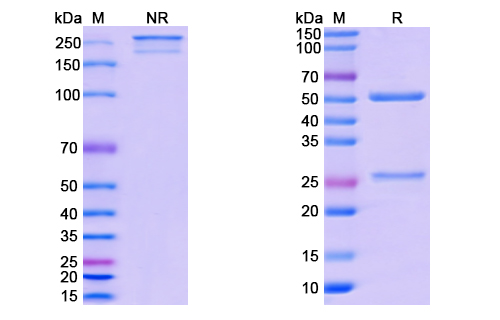
Lucatumumab Biosimilar is a humanized IgG1 monoclonal antibody, meaning it is derived from human antibodies and has been modified to reduce immunogenicity. It has a molecular weight of approximately 150 kDa and consists of two heavy chains and two light chains. The heavy chains contain a constant region and a variable region, while the light chains only have a variable region. The variable regions of the antibody are responsible for binding to the CD40 protein.
Activity of Lucatumumab Biosimilar
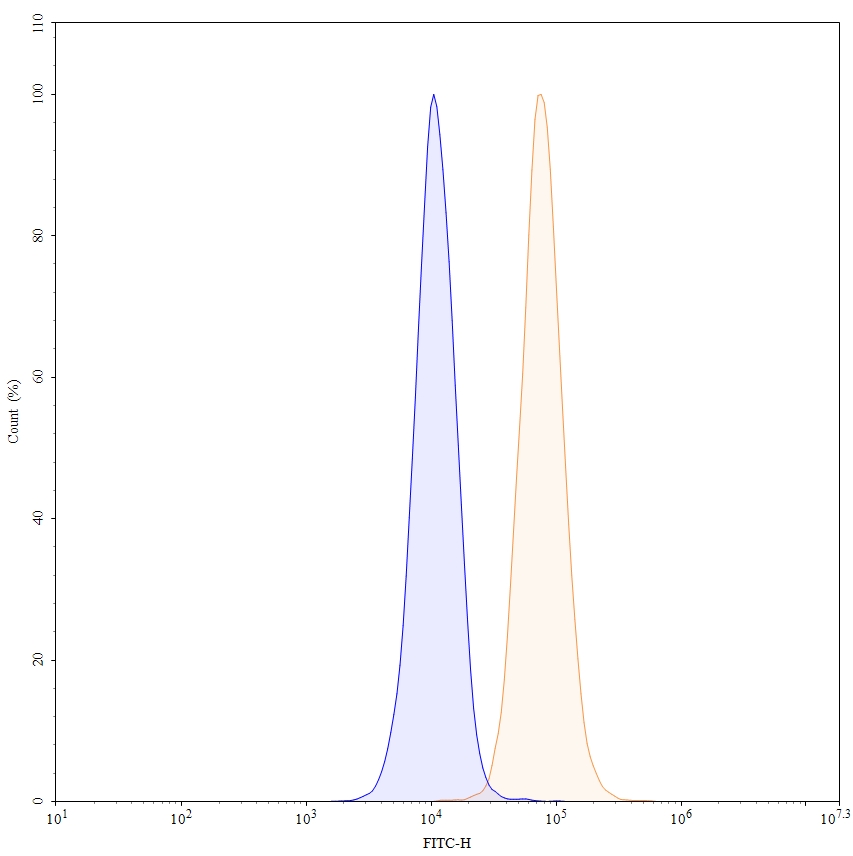
Lucatumumab Biosimilar works by binding to the CD40 protein on the surface of immune cells. This binding activates the CD40 signaling pathway, leading to the activation of immune cells and the production of cytokines and other immune mediators. This activation of the immune system can help fight against various diseases, including cancer, autoimmune disorders, and infectious diseases.
Application of Lucatumumab Biosimilar
Lucatumumab Biosimilar is being investigated as a potential therapeutic for various diseases, including B-cell lymphomas, multiple myeloma, and solid tumors. In preclinical studies, it has shown promising results in inhibiting tumor growth and promoting anti-tumor immune responses. It has also shown potential for use in combination with other cancer treatments, such as chemotherapy and immune checkpoint inhibitors.
In addition to its potential as an anti-
cancer therapy, Lucatumumab Biosimilar is also being studied for its potential in treating autoimmune disorders, such as rheumatoid arthritis and systemic lupus erythematosus. By activating the immune system, it may help regulate the immune response and reduce inflammation associated with these diseases.
Lucatumumab Biosimilar is also being investigated for its potential in infectious diseases. By stimulating the immune system, it may help fight against viral and bacterial infections. It has shown promising results in preclinical studies for the treatment of viral infections, such as influenza and hepatitis B.
Conclusion
Lucatumumab Biosimilar, also known as Anti-CD40 mAb, is a research-grade monoclonal antibody that targets the CD40 protein. Its structure, activity, and potential applications make it a promising therapeutic for various diseases. Further research and clinical trials are needed to fully understand its potential and efficacy in treating these diseases. However, Lucatumumab Biosimilar holds great promise as a potential treatment option for cancer, autoimmune disorders, and infectious diseases.
There are no reviews yet.