Introduction
Lorvotuzumab Biosimilar, also known as Anti-NCAM1, CD56 mAb, is a monoclonal antibody that has been developed as a biosimilar to the original Lorvotuzumab. It is a promising therapeutic agent that has shown potential in the treatment of various cancers, particularly those that express the neural cell adhesion molecule 1 (NCAM1) or CD56. In this article, we will provide a comprehensive scientific description of Lorvotuzumab Biosimilar, including its structure, activity, and potential applications.
Structure of Lorvotuzumab Biosimilar
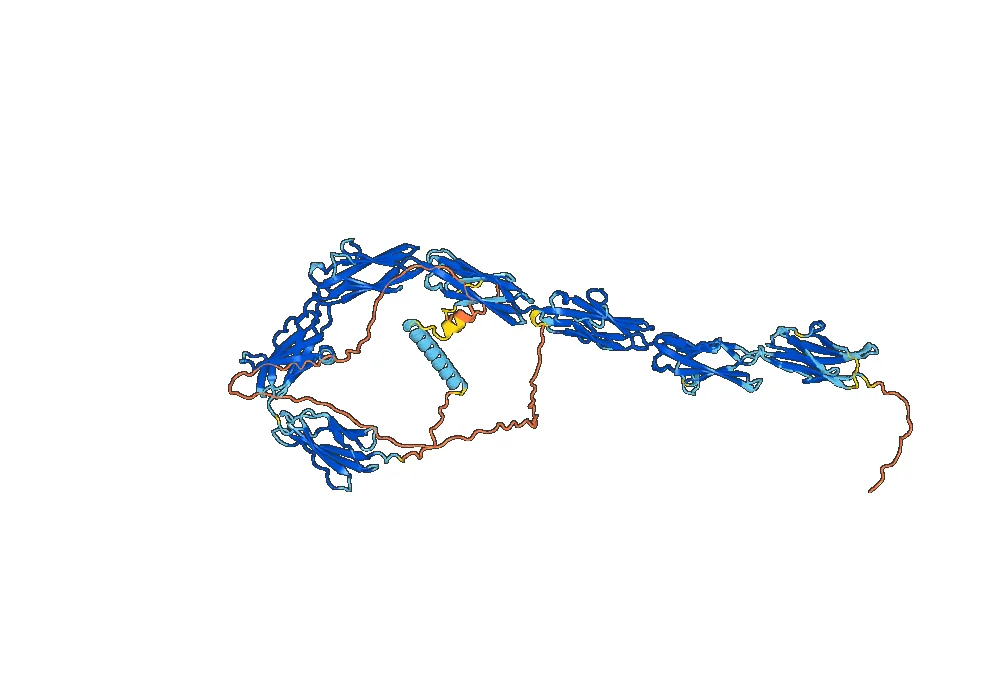
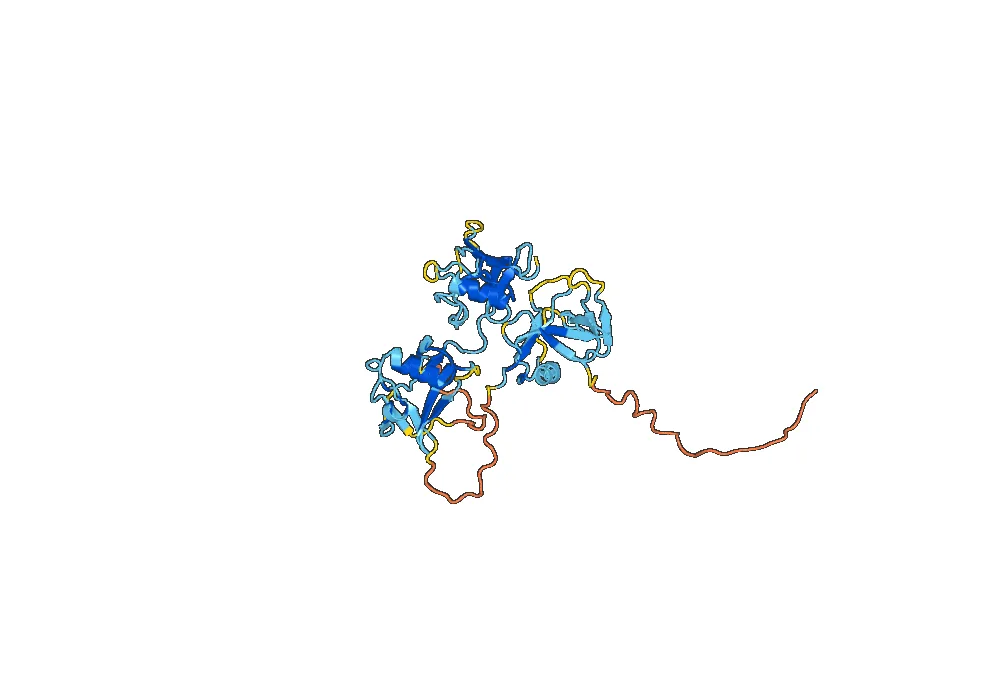
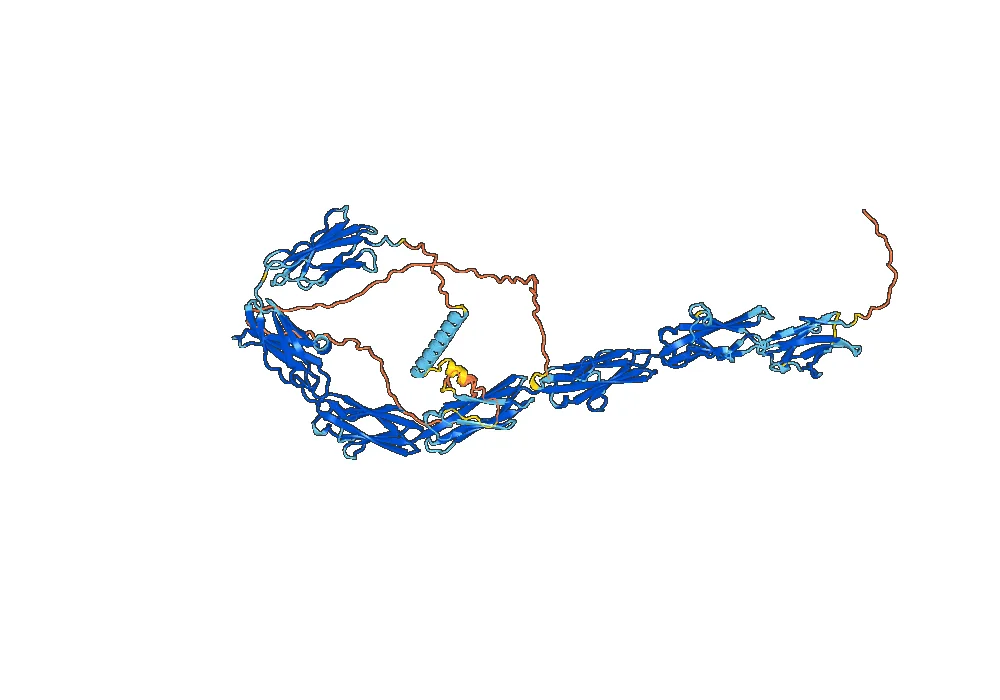
Lorvotuzumab Biosimilar is a humanized monoclonal antibody that is composed of two heavy chains and two light chains. The heavy chains are made up of four constant domains (CH1, CH2, CH3, and CH4) and one variable domain (VH), while the light chains consist of one constant domain (CL) and one variable domain (VL). The variable domains of both the heavy and light chains are responsible for binding to the target antigen, NCAM1 or CD56.
Activity of Lorvotuzumab Biosimilar
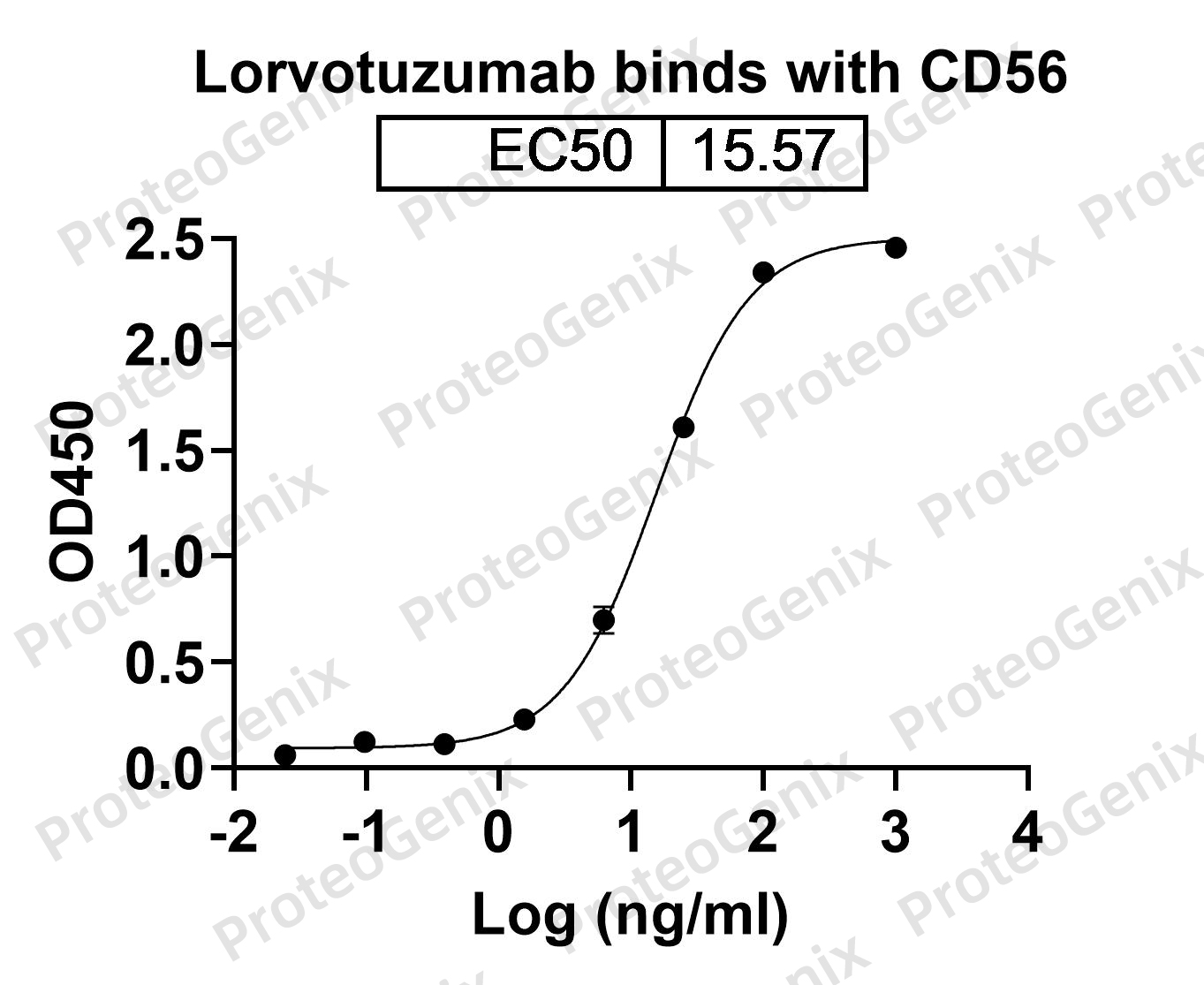
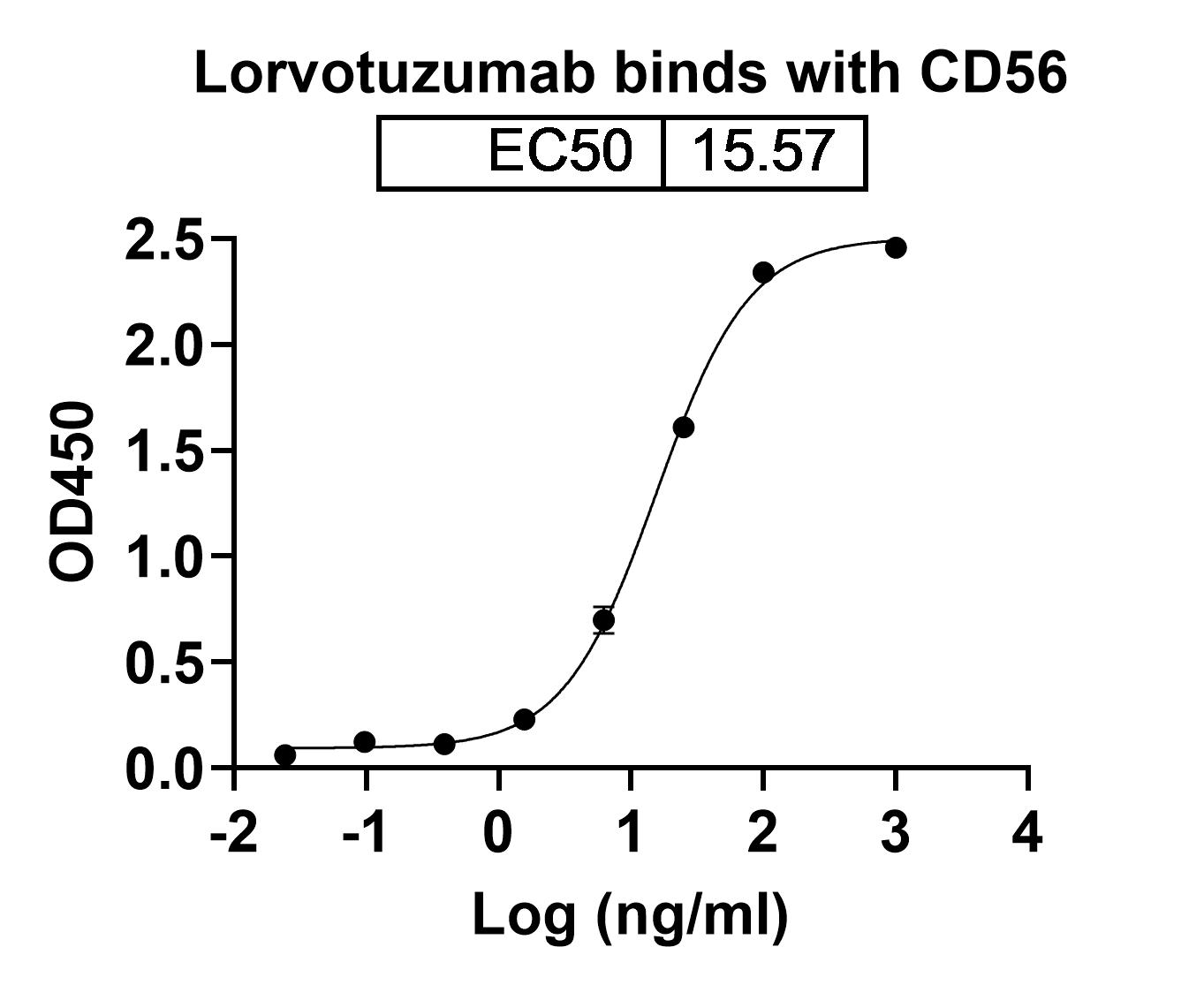
Lorvotuzumab Biosimilar is a potent antibody that specifically targets the NCAM1 or CD56 protein. This protein is highly expressed in a variety of cancers, including small cell lung cancer, ovarian cancer, and multiple myeloma. By binding to NCAM1 or CD56, Lorvotuzumab Biosimilar inhibits the growth and survival of cancer cells and also activates the immune system to attack and destroy these cells.
In addition to its direct anti-
cancer activity, Lorvotuzumab Biosimilar has also been shown to enhance the effects of other anti- cancer therapies, such as chemotherapy and radiotherapy. This is due to its ability to sensitize cancer cells to these treatments, making them more susceptible to their effects.
Potential Applications of Lorvotuzumab Biosimilar
Lorvotuzumab Biosimilar is currently being evaluated in clinical trials for the treatment of various cancers. Some of these trials are focused on its use as a single agent, while others are investigating its potential in combination with other therapies.
One of the most promising applications of Lorvotuzumab Biosimilar is in the treatment of small cell lung cancer (SCLC). SCLC is an aggressive form of lung cancer that is often resistant to traditional therapies. However, early clinical trials have shown that Lorvotuzumab Biosimilar, either alone or in combination with chemotherapy, can significantly improve response rates and overall survival in patients with SCLC.
Other potential applications of Lorvotuzumab Biosimilar include the treatment of ovarian cancer, multiple myeloma, and neuroblastoma. These cancers also express high levels of NCAM1 or CD56, making them potential targets for this antibody.
Conclusion
In summary, Lorvotuzumab Biosimilar is a promising therapeutic agent that specifically targets the NCAM1 or CD56 protein, which is highly expressed in various cancers. Its structure, activity, and potential applications make it a promising candidate for the treatment of cancers that are currently difficult to treat. With ongoing clinical trials, we hope to see Lorvotuzumab Biosimilar become a valuable addition to the arsenal of anti- cancer therapies.
There are no reviews yet.